
Seminar of the Department of Microbiology
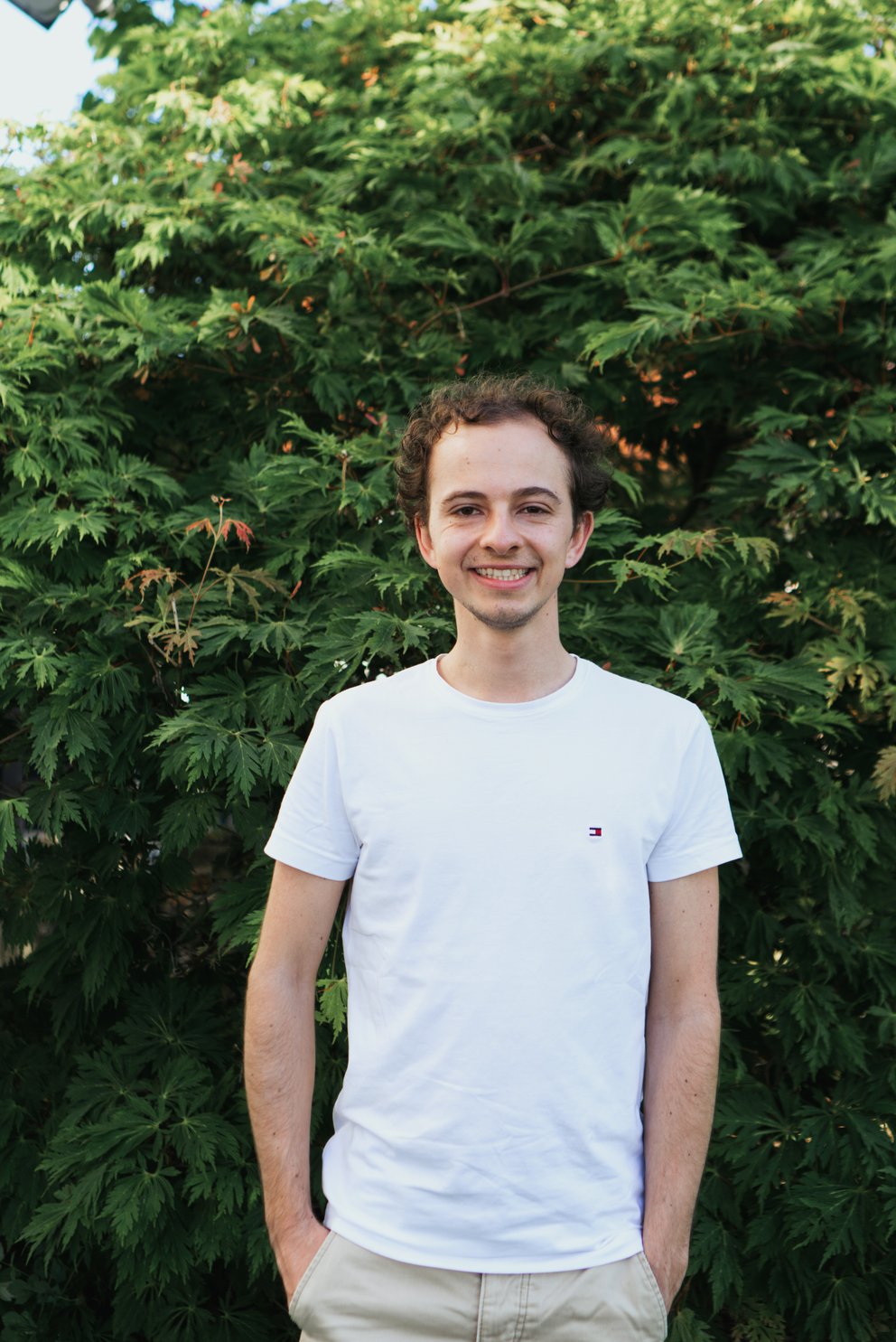
Alexander Eschlböck M.Sc. – PhD candidate – Mycology - UIBK
27.11.2025, 11:00 - Hybrid
- Join online
- or in presence: Seminarraum Biologie - Foyer (Technikerstraße 25, Viktor-Franz-Hess Haus, Parterre).
Abstract
Fungal pathogens present a major challenge, as they are among the leading causes of crop yield losses worldwide, responsible for 10-20% of pre- and post-harvest losses. Commonly used chemical fungicides have detrimental effects on both human health and the environment. Thus, the usage of more sustainable options such as the biocontrol agent Trichoderma atroviride are needed. The filamentous fungus T. atroviride is recognized for its significant role as a mycoparasite and its applications in biocontrol. Due to the production of a wide variety of specialized metabolites (SMs), T. atroviride shows antifungal, antibacterial and plant-growth promoting activities. One compound class of these SMs is polyketides (PKs), which are produced by the action of their respective polyketide synthases (PKSs), large megaenzymes with complex products. The most prominent PKs of T. atroviride is 6-pentyl-alpha-pyrone (6-PP), a compound with diverse bioactivities. The aim of this PhD-thesis is not only to obtain a deeper overview of the molecular mechanisms and regulatory components controlling 6-PP production but also to identify new polyketides and link them to their respective PKS. Furthermore, the mode of action, of how SMs, with a special focus on 6-PP, are secreted or transported in T. atroviride should be investigated. These insights will open opportunities for engineering T. atroviride strains with enhanced biocontrol activity to support sustainable management of crop diseases.