
Projects
Here you will find our publications and project reports on completed tourism research projects:
Quality of Life and Tourism
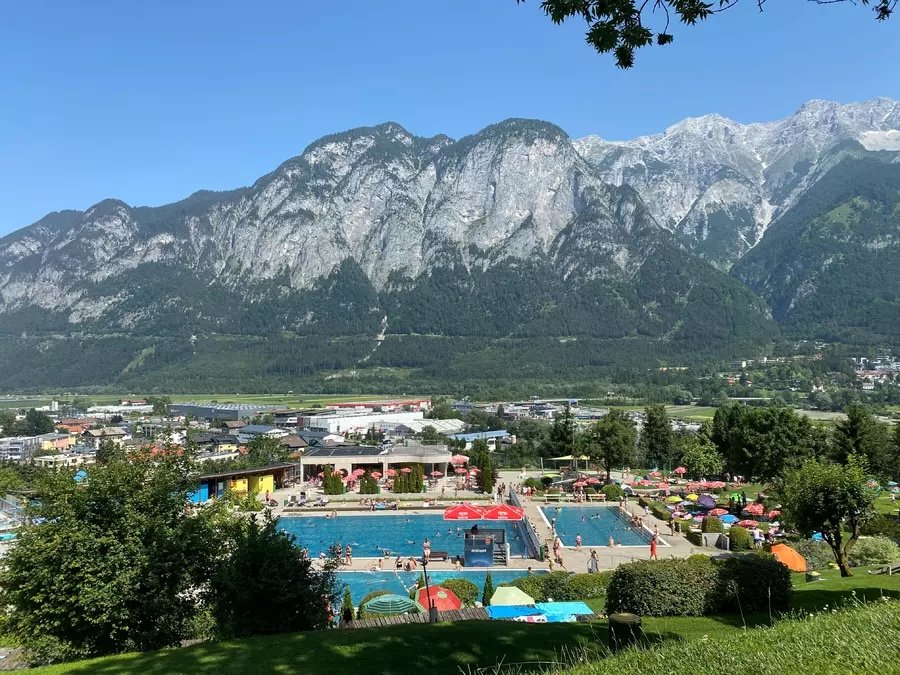
How does tourism affect the quality of life in Tyrol? Developing a measurement index
The project focuses on developing indicators to measure the subjective quality of life of the local population using an empirical survey in four regions: Serfaus-Fiss-Ladis, Stubai, Innsbruck and the Karwendel Silver Region. The quality of life index, which is the result of this study, consists of the areas of "economy" (employment opportunities, financial situation, cost of living), "social" (supply situation, infrastructure, leisure facilities) and "ecology" (tourism, environmental protection, land use, traffic volume), as well as the individual factor of safety, included as a result of the statistical analysis. Overall satisfaction with safety and social factors is very high, followed by satisfaction with economic and ecological factors, resulting in a quality of life index of 3.73 on a scale of 1 (very dissatisfied) to 5 (very satisfied). With an overall value of 3.15, the impact of tourism on the various areas is considered neutral or slightly positive on average.
The study was funded by the Tourismusforschungszentrum (TFZ) of the Land Tirol.
The project was realised by Birgit Pikkemaat, Mike, Peters, Sarah Eichelberger (Faculty of Business and Management/Department for Management and Marketing), Hubert Siller, Birgit Bosio and Tanja Hörtnagl-Pozzo (Management Center Innsbruck - Department for Tourism and Leisure Industry).
You can download the project report as a PDF file here (German language): Project Report
In 2021, a follow-up study(German language) was conducted, funded by Lebensraum Tirol.
Business Models in the Tourism and Leisure Industry in the Alps:
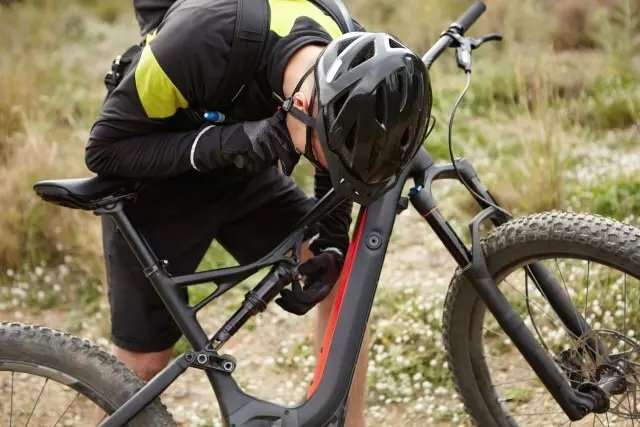
Current and future business models in summer tourism: Tourism as a driver of living space and quality of life - Image study on Tyrol as a cycling destination
This project deals with Tyrol's image as a (tourist) cycling destination, such as the potential role of major sporting events in promoting the region as a cycling destination, the importance of cycling in summer holidays in Tyrolean tourist regions, and the impact of cycling activities on the local population. The perception of Tyrol as a cycling destination was not influenced by the Cycling World Championships, neither among locals nor among tourists. However, a decisive positive factor in the perception of the Cycling World Championships, cycling-specific aspects and satisfaction with them is having the World Championships live on site. The project was carried out by Martin Schnitzer (LFU Innsbruck), Markus Mailer (LFU Innsbruck), Bartosz Bursa (LFU Innsbruck) and Philipp schlemmer (LFU Innsbruck). The overall management and the coordination of the project, which ran from 1 April 2018 to 31 October 2019, was the responsibility of the Institute for Sport Science Innsbruck and project manager Martin Schnitzer. The study was funded by the Tourismusforschungszentrum (TFZ) of the Land Tirol. The project also ties in with the "health-related mobility" project funded by the Tourismusforschungszentrum (TFZ) of the Land Tirol.
You can download the project report as a PDF fiel here: Project Report
The following scientific publications relate to the project:
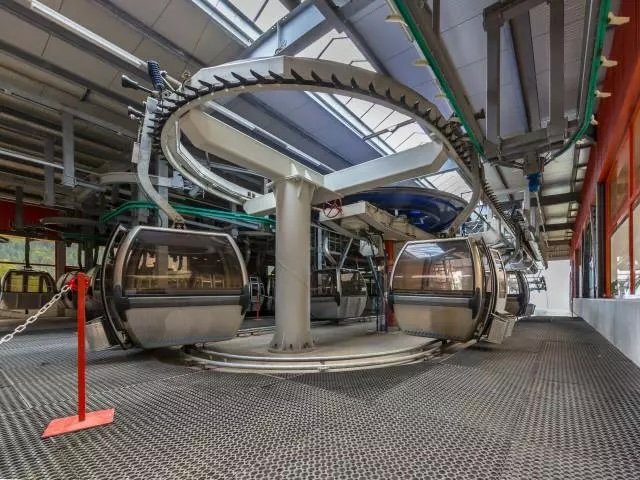
The effect of innovations on business models and approval for further tourism development using the example of summer (sports) offerings in Tyrolean ski resorts
This project focused on investments made by mountain railways and tourist destinations in generous and (often free) summer (sports) attractions, such as playgrounds, water parks, bike parks and summer toboggan runs in the Tyrolean Alps.
According to the operators, the fundamental goal behind the opening is to promote summer tourism - however, their core business to date, transport, would remain unchanged. Locals who use such "summer adventure worlds" and have positive experiences are, on average, positive about future summer adventure worlds. Those who do not use them are more likely to feel that any future investment is one too many - on average, however, the vast majority are not averse to them.
The project was carried out by Martin Schnitzer (LFU, Innsbruck), Martin Falk (WIFO, Vienna) and Florian Zach (VT, Blacksburg, USA). The overall management of the project, which ran from 1 January 2018 to 31 December 2019, and the coordination of student assistants (Elisabeth Happ, Magdalena Mündler, Sebastian Schachinger and Maximilian Seidl) was the responsibility of the Institute for Sports Science Innsbruck and project manager Martin Schnitzer.
The study was funded by the Tourismusforschungszentrum (TFZ) of the Landes Tirol.
You can download the project report as PFD file here: Project Report
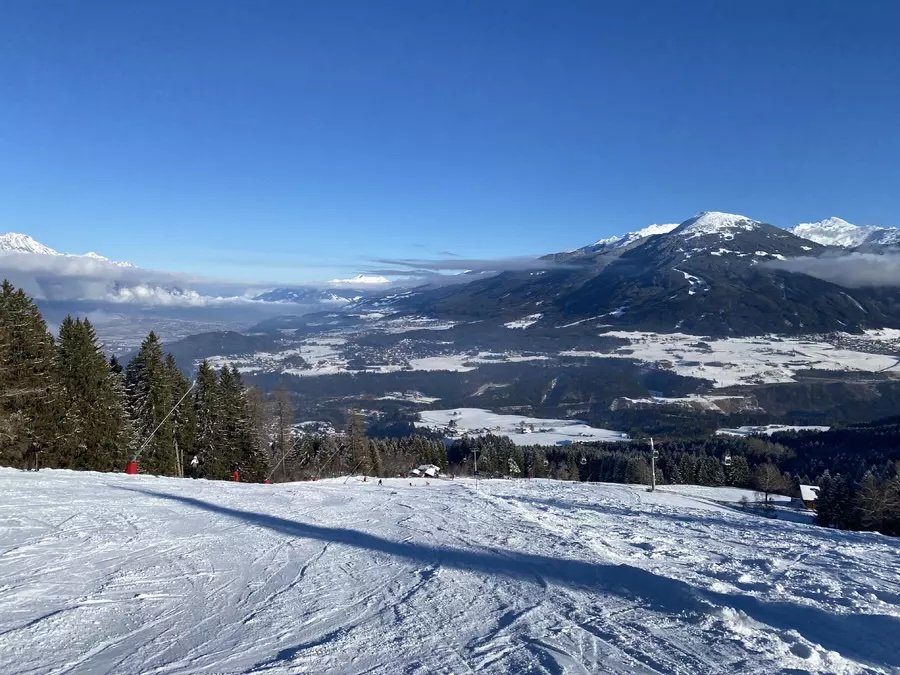
Small and micro ski resorts in Tyrol: Positioning between the conflicting demands of justification for existence and sustainble product development
The aim of this project was to analyse the opportunities and challenges facing small ski resorts in Tyrol in order to derive strategic positioning options for a sustainable, successful competitive position in the market.
The project focused on five small ski resorts in Tyrol: Elferbahnen Neustift Stubai, Karwendel Bergbahn am Zwölferkopf, Bergbahnen See Paznaun, Bergbahnen Oberperfuss Rangger Köpfl and Buchensteinwand Bergbahn Pillersee. Qualitative interviews with key stakeholders in the ski resorts, as well as quantitative guest surveys, were used to map guest satisfaction and wishes, as well as the challenges and opportunities from the stakeholders' perspective.
The results of this study show that the biggest challenges for small ski resorts are snow-making facilities. Stakeholders primarily cite the need for investment triggered by climate change and low altitude, while guests see snowmaking facilities as an opportunity for improvement. The study recommends focusing on family orientation, beginner offers, alternative offers such as ski touring or cross-country skiing, price differentiation and improving accessibility as opportunities for sustainable market positioning.
The study was funded by the Tourismusforschungszentrum (TFZ) of the Land Tirol.
The project was carried out by Birgit Pikkemaat and Sarah Eichelberger (Faculty of Business and Management/Department for Management and Marketing/SMEs and Tourism).
You can download the project report as PDF file here: Project Report
Demand in Alpine Tourism
Market segmentation of Alpine hikers
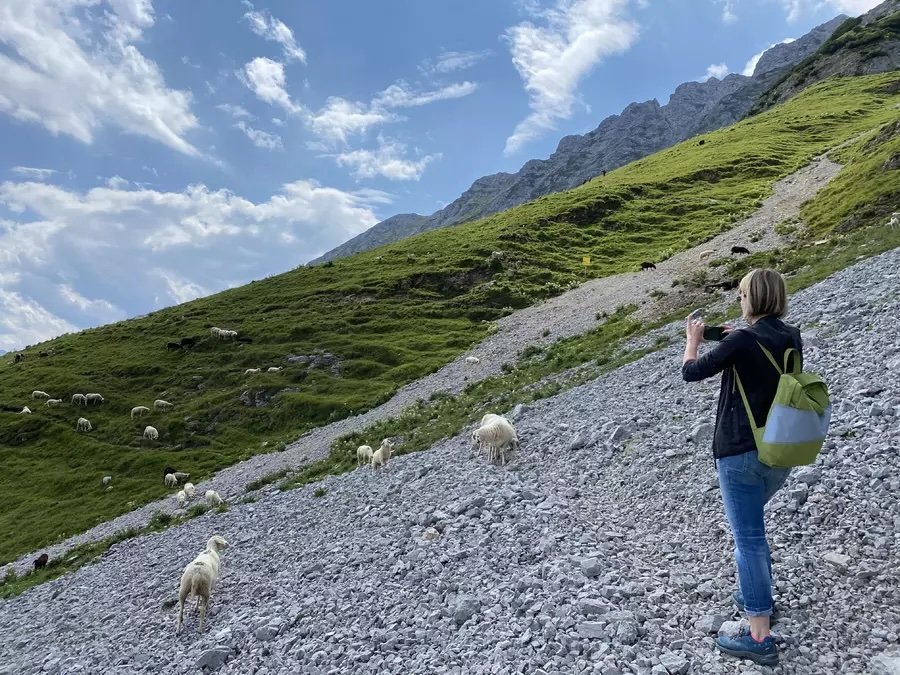
The aim of the project was to segment the hiking market based on demographic and psychographic variables (e.g. attitudes towards hiking, motives and preferences) and to derive implications for destination marketing in order to optimise their marketing strategies for the hiking market. To this end, a total of 849 hikers were surveyed in the Tyrolean Alps in the summer of 2019. This report contains the key findings of the study and presents recommendations for tourism professionals.
The study was sponsored by the Tourismusforschungszentrum (TFZ) of the Land Tirol.
The project was carried out by the SME&Tourism team (Faculty of Business and Management/Department for Management and Marketing) and LO.LA Peak Solutions.
You can download the project report as PDF file here: Project Report
Tourist preferences for complex winter tourism packages
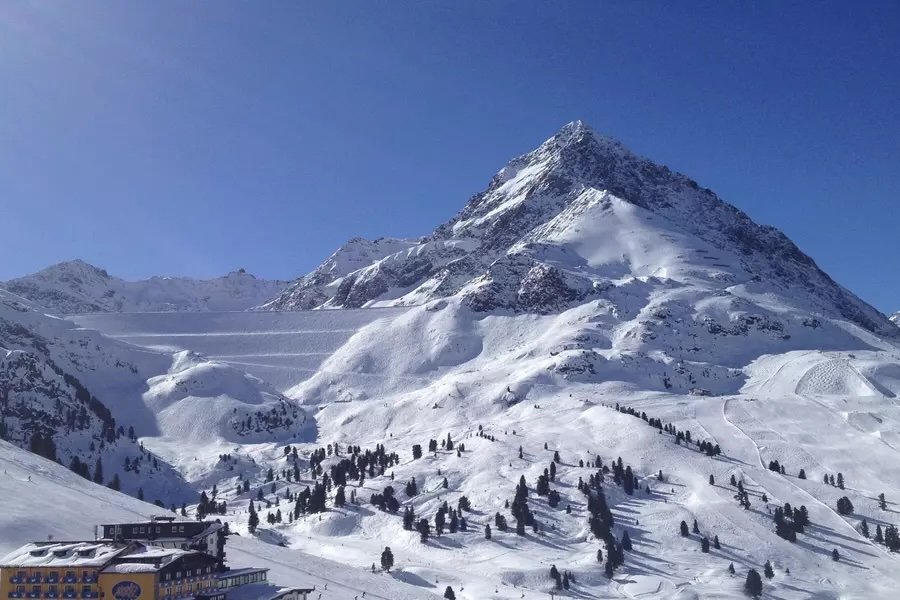
Using qualitative and quantitative data collection, the project answers the following questions:
What are the decisive factors for a ski holidaymaker when choosing a destination?
What role does a "winter landscape" or the likelihood of finding such a landscape when booking a winter holiday?
What role do the expected slope conditions play in the choice of winter holiday?
Are these two factors absolute "must haves" or can they be fully or partially compensated for by other components of the offer (après-ski, wellness, alternative sports programmes, cultural programmes, etc.)?
How do customers react when snow conditions are not so good: do they shorten their holiday, switch to alternative destinations, choose completely different holiday alternatives (e.g. South Sea or city breaks, or forego their holiday altogether)?
Which customer segments can be reached by other product packages and how large are these segments?
What role does destination loyalty play and (how) can it be increased?
The study was sponsored by the Tourismusforschungszentrum (TFZ) of the Land Tirol.
The project was carried out by Robert Steiger, Gottfried Tappeiner and Janette Walde from the Faculty of Economics and Statistics at the University of Innsbruck.
You can download the project report as PDF file here: Project Report
Alternative winter sports - a qualitative and quantitative analysis
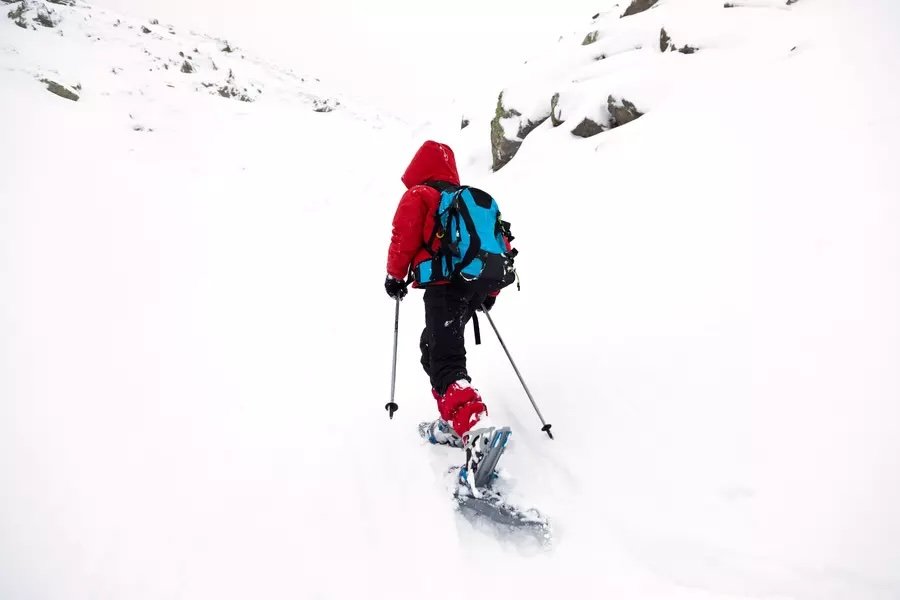
This project used qualitative and quantitative methods to survey the alternative winter sports (AWS) that are practised in Tyrol alongside classic skiing. Winter hiking, ski touring and tobogganing are just three of the activities tha are popular with winter sports enthusiasts in Tyrol. However, little is known abotu the motivation and behaviour of these alternative winter sports enthusiasts.
The study was funded by the Tourismusforschungszentrum (TFZ) of the Land Tirol.
The project was carried out by Bruno Abegg (Faculty of Geo- and Atmosperic), Mike Peters, Bernhard Bichler, Alexander Plaikner & Johanna Sparber (Faculty of Business and Management/Department of Management and Marketing).
YOu can donwload the project report as PDF file here: Project Report

White strips in a green landscape: Destination marketing in times of snow shortage - an experimental study using online media as an example
This project uses three experimental studies to show that embellished marketing messages on social media result in a poorer rating of the destination than marketing messages that address suboptimal conditions. Marketing communication via social media must therefore reflect reality while still highlighting the advantages of a destination. The main argument of all three studies is that creating realistic expectations (a priori) leads to more positive ratings of the destination than when embellished images deny the impact of nature.
The study was funded by the Tourismusforschungszentrum (TFZ) of the Land Tirol.
The project was carried out by Ursula Scholl-Grissemann and Mike Peters (Faculty of Business and Management/Department of Management and Marketing)
You can download the project report as PDF file here: Project Report
Our publication on the project in the top journal Journal of Travel Research: JTR Article
Financing and Value Creation in Tourism

On the alternative financing act in Austria: a legal and economic analysis
This project conducted a comprehensive empirical study to examine the knowledge and attitudes of entrepreneurs in the tourism sector (In Austria, South Tyrol and Germany) as well as the fundamental suitability of crowd investing for financing SMEs. In summary, it can be said that entrepreneurs' knowledge of crowd investing is low. Although the AltFG itself is well known, knowledge of the financing instruments provided is modest. Furthermore, companies feel that they are poorly informed by (quasi-)public institutions and private service providers. With regard to the attitude of entrepreneurs, it can be summarised that there is a certain openness towards crowd investing. Crowd investing is rightly seen not only as a pure form of financing, but also as having potential for marketing and sales purposes. Crowd investing is seen more as a substitute for traditional bank financing than as a complement to it.
The study was funded by the Tourismusforschungszentrum (TFZ) of the Land Tirol.
The project was carried out by Alexander Schopper, Joseph Moser (Faculty of Law) and Matthias Bank, Philipp Gamper and Raimund Kuess (Faculty of Business and Management).
You can download the project report as PDF file here: Project Report
Tourism value creation: An economic comparison of tourism businesses in western Austria
The challenges facing tourism businesses have changed significantly in recent years. Strategies and business models are subject to constant change and therefore need to be reviewed much more frequently. This also requires adaptation to a continuously changing environment and its framework conditions (e.g. global competition, e-commerce, outsourcing, new technologies, etc.) in order to ensure long-term and sustainable survival. This problem seems to be exacerbated in small and medium-sized enterprises, as managing directors have to focus much more on day-to-day operations, leaving them less time to devote to strategic agendas.
This increases the risk of a crisis or insolvency. This is also reflected in the causes of corporate insolvency. 51% of insolvencies are caused by errors or sources of loss within the company (e.g. lack of commercial foresight, calculation errors, sales difficulties, lack of observation of the corporate environment and surroundings, etc.). A further 11% can be attributed to negligence (e.g. insufficient knowledge of the practice and the industry, inexperience, etc.) (KSV1870, 2016). It can therefore be concluded that the majority of corporate insolvencies are due to internal factors, primarily management errors.
In the state of Tyrol in particular, where gross value added would be 23.9% lower and employment would be 24.5% lower without tourism, it is urgently necessary to keep the finances of tourism companies sound and prevent corporate insolvencies in the interests of all. The study attempts to identify the risk drivers and calculate models for early crisis and insolvency detection using logistic regression. Based on these results, a final assessment can be made.
The study was funded by the Tourismusforschungszentrum (TFZ) of the Land Tirol.
The project was carried out by the SME & Tourism team at the University of Innsbruck and the Kufstein University of Applied Sciences in Tyrol.
You can download the project report as PDF file here: Project Report
Value creation through appreciation of tourism employees
Demographic change, which is directly related to the shortage of skilled labour in tourism, poses new challenges for tourism SMEs today. For this reason, it is very important for SMEs to be able to position themselves on the labour market with the help of an attractive employer brand. Large hotels and companies have long established employer branding and therefore often appear much more attractive than SMEs or regional companies. Recruiting and retaining skilled labour in SMEs is therefore becoming an ever greater challenge. The results of this study should show in particular that it is particularly important for SMEs to coordinate via existing professional organisations (chambers and TVBs) and thus incorporate important infrastructure measures into regional management and enable access to employer branding in tourism even in small businesses.
In the course of interviews with 28 managers/owners and nine employees in the Tyrolean hotel industry, key challenges in tourism employer branding were identified:
The survey worked out how employee management can be used as a tool and resource to avoid dissatisfaction among employees and promote their motivation. Accordingly, employees should also be treated with respect within the company. Leadership should be understood as leading by example and setting an example. Furthermore, it was found that involving employees in the company - in order to increase employee loyalty - also demonstrably increases the monetary added value of companies.
The first combined analysis of financial analyses of the companies and regions studied and a comparison of the perceptions of employers and employees provides an insight into concrete measures at company, regional and state level, which can also be directly applied to family-run SMEs in Tyrolean tourism using a checklist.
The study was sponsored by the Tourism Research Centre (TFZ) of the province of Tyrol.
The project was carried out by the SME & Tourism team at the University of Innsbruck and the FH Kufstein Tirol.
You can download the project report here: Project report
Mobility:

The importance of mobility in health-orientated tourism
The mobility behaviour of local tourists with subsequent health-related implications and the relationships between exercise habits and mobility patterns in daily life were the subject of this study. A multi-layered methodological approach revealed diverse implications in general mobility routines in everyday life as well as in holiday situations, while holiday situations represent indicators for adjustments in individual mobility behaviour.
The study was funded by the Tourism Research Centre (TFZ) of the province of Tyrol.
The following people were involved in the project:
- Univ.-Prof. Dr Bruno Abegg (Department of Geography, LFU)
- Dr Cornelia Blank (Institute for Sports and Alpine Medicine, Health Tourism, UMIT)
- Univ.-Prof. Dipl.-Ing. Dr Markus Mailer (Department of Infrastructure, LFU)
- Eva Posch, MSc (Department of Geography, LFU)
- Martin Schnitzer, PhD (Department of Sport Science, LFU)
- Philipp Schlemmer, MSc (Department of Sport Science, LFU)
- Bartosz Bursa, MEng (Department of Infrastructure, LFU)
- Dr Robert Steiger (Department of Public Finance, LFU)
Here you can download the project report as pdf: Project report short version
Here is a scientific publication on the project: Publication Schlemmer et al 2019
Agriculture and tourism:
Agrotourism. A study on the influence of rural guest accommodation on agricultural structures in the Ötztal valley
The agritourism project investigated the contribution of rural guest accommodation to the preservation of agricultural structures and to keeping the cultural landscape in the mountain region open. Using the tourism-intensive Ötztal as an example, a quantitative survey of farms with guest accommodation was carried out. Individual quantitative results were then analysed in more detail in qualitative interviews with regional experts.
Farm guest accommodation contributes to the tourism industry by providing accommodation on the one hand and by maintaining the landscape on the other. It also contributes to maintaining the quality of life in rural areas. Findings from the study help to support the continued existence and further development of rural guest accommodation.
The study was sponsored by the Tourism Research Centre (TFZ) of the province of Tyrol.
The project was carried out at the Department of Sociology by Rike Stotten, Michaela Mauer and Markus Schermer.
Here you can download the project report as pdf: Project report
Here is a scientific paper on the project: Sustainabilty
SMEs and family businesses in tourism:

Employer-sponsored leisure activities as a company work-life balance concept: new ways to secure skilled labour in the hotel industry in Tyrol
A good 'work-life balance' describes the equilibrium between, on the one hand, the stresses and strains of work and, on the other hand, opportunities for regeneration through, for example, leisure activities or the social environment. Employees in the tourism sector, such as the hotel industry, are particularly at risk of developing a poor work-life balance due to frequent customer contact, changing working hours and long shifts. This in turn can have a negative impact on employee performance and at the same time lead to absenteeism and high employee turnover rates for the employer. The aim of the project was to find out how employees in the hotel industry assess their own work-life balance. In addition, it was to be determined whether programmes offered by the employer to promote work-life balance have an effect on this balance.
Here you can download the project report as pdf: Project report
Socio-economic sustainability of family businesses in Tyrolean tourism: future model for 'Generation Y' in the main source market Germany?
This project analyses the significance of the special features of family-run hotel businesses in Tyrol for Generation Y in the main source market of Germany. With the help of qualitative data collection, people born between 1980 and 2000 were asked about their values and needs in relation to family businesses in tourism.
Family businesses have special features that are important to Generation Y, such as company tradition, a family atmosphere, personal ties and sustainability. These values represent an additional benefit for Generation Y and can be utilised accordingly by family businesses to build competitive advantages and customer relationships.
The study was sponsored by the Tourism Research Centre (TFZ) of the state of Tyrol.
The project was carried out by Birgit Pikkemaat, Sarah Eichelberger, Alina Seelbach (Faculty of Business Administration / Department of Strategic Management, Marketing and Tourism), Anita Zehrer and Frieda Raich (MCI Management Center Innsbruck - Centre for Family Businesses).
You can download the project report here: Project report

Strategic positioning - an analysis of strategic options for strengthening the competitiveness of family-run tourism businesses
The project analysed the strategic positioning of family-run tourism businesses in Tyrol. One of the key strengths of family businesses is the close connection between family and business and the fact that decision-making is guided equally by objective and emotional motives. In addition, securing the long-term existence of the family plays a key role. Family businesses face many challenges related to the family-business relationship, financing and corporate strategy. Due to their size, small family-run tourism businesses have to contend with challenges and disadvantages, such as changing and saturated markets, which make a clear strategic orientation necessary.
The aim of the project was to conduct a baseline study on the status quo of the strategic positioning of family businesses in tourism, to analyse their problem areas and to create a portfolio of strategic options for family businesses in tourism.
The qualitative study consists of a guided interview and focus groups. In general, this project can be expected to provide a better understanding of entrepreneurship, in particular strategic planning in family businesses, from both a theoretical and practical perspective.
The study was funded by the Tourism Research Centre (TFZ) of the province of Tyrol.
The project was carried out by the SME & Tourism team at the University of Innsbruck and the Centre for Family Businesses at the Management Center Innsbruck.
Here you can download the project report as pdf: Project report family business
Internal and external business succession in tourism
This project uses qualitative data collection to answer the following questions:
What factors influence the succession process in the hotel industry from the perspective of transferors and entrepreneurs?
How do the perceptions of transferors and transferees differ with regard to the organisation of a succession process and its influencing factors?
To what extent do internal and external succession processes differ from one another?
In the course of interviews with ten transferor-transferee couples in the Tyrolean hotel industry, key challenges in the handover process were identified.
The study was sponsored by the Tourism Research Centre (TFZ) of the province of Tyrol.
The project was carried out by the SME & Tourism team at the University of Innsbruck and the Division for Management in Health and Sports Tourism / Landeck at the UMIT - University of Health Sciences, Medical Computer Science and Technology.
Here you can download the project report as pdf: Internal and external succession project report

Family businesses in Tyrolean tourism - the tension between family members and company employees
The research project "Family businesses in Tyrolean tourism - the tension between family members and employees" provides a well-founded insight into the world of domestic tourism. It shows that there are indeed potential tensions and conflicts within the company that are rooted in the family-run form of the business. These can also have a negative impact on tourism businesses.
Based on 30 guided in-depth interviews, more than 200 members and employees of family businesses were questioned in a standardised survey.
The study was sponsored by the Tourism Research Centre (TFZ) of the state of Tyrol.
The project was carried out by Andreas Strobl and Michael Radner (Faculty of Business Administration).
You can download the project report here: Project report
Inclusive tourism:

GATE - Granting Accessible Tourism for Everyone (ITAT2034)
GATE Homepage
Interreg Project V-A Italy-Austria - Call 2017 - Priority Axis 2 - Nature and Culture
In cooperation with the UNESCO Dolomiti Foundation (Leader project), we will be carrying out a cross-border Interreg project Italy-Austria over the next three years called GATE - Granting Accessible Tourism for Everyone, which means "Making accessible tourism possible for everyone". The project partners are the Veneto region, the municipality of Santorso (Veneto), the CAI Alpago and, on the Austrian side, the University of Innsbruck, the Standortagentur Tirol and Forschungsgesellschaft Salzburg Research.
The project is dedicated to the sustainable protection, promotion and development of the unique natural and cultural heritage in the Alpine region and is developing standardised guidelines, forms of communication and standards for inclusive tourism for all.
The aim is to develop the following instruments:
- Guidelines for accessibility, cross-border signposting and forms of communication
- Products to promote accessible tourism based on the ideas of Design for all
- Inclusive information systems for tourists and e-tourism platforms
- Innovative mobility concepts for tourism
- Handbook and training courses for the transfer of specialised knowledge
- Cross-border promotion campaign (dissemination of culture accessibility, involvement of stakeholders and valorisation of pilot measures)
- Help desk for inclusive tourism
Specific location projects are also planned in the participating regions: Here in South Tyrol, we will be upgrading the Geoparc Bletterbach visitor centre near Radein and equipping it with the latest technologies, such as virtual reality (VR), Bluetooth information transmitters (beacons) and sensors (car park sensors) that can be used by all visitors.
The project is funded by the Interreg V-A Italy-Austria programme.