
Communicating the COVID-19 Crisis
What We Learn About Political Crisis Communication from the COVID-19 Pandemic

Political Crisis Communication
Crises are unexpected events that pose threats and are marked by uncertainty. In such situations, political communication becomes crucial. It must build trust, establish credibility, and ensure public compliance with necessary measures. At the same time, political leaders pursue two goals: effective crisis management and protecting their own public reputation.
The project examined three key questions:
1. Who communicates during crises?
2. How do governments communicate?
3. How is this communication received by media and the public?
Project and Data
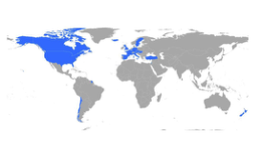
This project analyzed government press conferences from 18 OECD countries during the first wave of COVID‑19 (20 January – 19 July 2020). During this time, public attention to government communication was exceptionally high.
Who speaks in crises?
Heads of state and government were especially visible during critical phases but did not adjust their communication strategies as the crisis evolved. The closer an election approached, the more frequently they appeared.
Women were less frequently present but spoke longer when they did take the stage. Female leaders used more speaking time, likely to claim space in a male‑dominated environment.
How do governments communicate?
Threat‑based language: Governments frequently highlighted dangers, especially health and administrative risks. This rhetoric increased across all topics as the pandemic progressed.
Rhetorical styles: Based on the Aristotelian triangle (ethos, logos, pathos), four communication styles emerged. Most speakers relied on fact‑based communication, while a few, such as Donald Trump, used a leadership‑centered, emotionally mobilizing style.
Blame shifting: Governments often assigned responsibility to neighboring countries or heavily affected states such as Italy or China, redirecting attention away from domestic shortcomings.
How does crisis communication affect audiences?
Quality newspapers showed stronger support for government actions at the beginning of the crisis—a typical “rally-around-the-flag” effect. This pattern was much weaker in tabloid media.
Among the public, awareness of economic and health threats increased when these themes were emphasized in press conferences. These effects depended strongly on how satisfied people were with the government. People also actively debated crisis communication on online platforms to share information. Information was accurately reshared on social media when governments used simple language.
What can we learn?
The COVID-19 pandemic shows that the mere presence of political leaders is not enough to build or maintain public trust. What truly matters is clear, consistent, and comprehensible communication. Because crises evolve quickly, communication strategies must also adapt continuously rather than remain static. And as crises continue over longer periods, maintaining broad political consensus becomes increasingly important.