
Publications
Reviewed publications
Sarah R. Sandor, Thomas Scheuerl, Jeremy A. Fonvielle, Caroline kemp, Andrew J. Tanentzap (2026)
Dissolved organic matter specialization drives temporal dynamics of simplified bacterial communities in a microcosm experiment. ISME Communications 6(1), ycag045. https://doi.org/10.1093/ismeco/ycag045- Edward S. Ricemeyer, Nathan K. Schaefer, Kang Du, Irene da Cruz, Susanne Kneitz, Rafael D. Acemel, Darío G. Lupiáñez, Rachel A. Carroll, Rosie Drinkwater, Manfred Schartl & Wesley C. Warren,
Gene conversion empowers natural selection in a clonal fish species. Nature (2026). (PDF) https://doi.org/10.1038/s41586-026-10180-9 - Thomas Scheuerl, Damian W. Rivett (2026)
A Concept Using α-Niche Evolution Within Bacterial Communities to Direct β-Niche Evolution of Focal Species. Environmental Microbiology 28(3):e70255. https://doi.org/10.1111/1462-2920.70255 - Ibor Sabás, Markus Möst, Lucia Bello, Anna Corapi, Pietro Chatrian, Leonardo Bertolin, Elena Petrucci, Barbara Tartarotti, Rocco Tiberti (2026)
Early Warning, rapid eradication of alien fish and ecological recovery in an Alpine lake. Invasivesnet, 17(1), 85-94. https://doi.org/10.3391/mbi.2026.17.1.05 - Unter Beteiligung von Josef Wanzenböck, Sabine Wanzenböck und Hans Rund vom ILIM im Rahmen des Projekts Sparkling Science „Kleine Fische ganz groß – Biodiversität der Elritzen in Österreich“ in Kooperation mit dem Naturhistorischen Museum Wien:
Chai, M.J., Bogutskaya, N.G., Reier, S. et al. Data collected in a citizen scientist study uncover a new species record of Phoxinus minnow for Austria. Environ Monit Assess 198, 319 (2026). (PDF) https://doi.org/10.1007/s10661-026-15168-6
Reviewed publications
- Ashgar U., Mukherjee I., Sonntag B., Pires de Paula C.C., Kasalický V., Bulzu P.-A., Singh A.P., Shabarova T., Piwosz K., Šimek K. (online first). Morphological and molecular analyses of season-specific responses of freshwater ciliate communities to top-down and bottom-up experimental manipulations, mSystems 0:e00304-25, https://doi.org/10.1128/msystems.00304-25
- Bierenbroodspot M.J., Darienko T., de Vries S., Delwiche C.F., Lorenz M., Ali Z., Irisarri I., Pröschold T., de Vries J. (in press). Phylogenomics unveil a recent origin of morphological complexity in Coleochaetophyceae, Current Biology,
https://doi.org/10.1016/j.cub.2025.08.046. Kurmayer R., Morón Asensio R. (2025). Time-Resolved Visualization of Cyanotoxin Synthesis via Labeling by the Click Reaction in the Bloom-Forming Cyanobacteria Microcystis aeruginosa and Planktothrix agardhii. Toxins 17(6), 278, doi:10.3390/toxins17060278
- Maes T., Verheyen J., Senghor B., Mudavanhu A., Schols R., Hellemans B., Geslain E., Volckaert F.A.M., Gante H.F., Huyse T. (2025). First evidence of a genetic basis for thermal adaptation in a schistosome host snail, Ecological Monographs 95(1): e70006. https://doi.org/10.1002/ecm.70006
Neiman M., Pichler M., Haase M., Lamatsch D.K. (2025). Variation in nuclear genome size in a freshwater snail model system featuring a recent whole-genome duplication. Royal Society Open Science 12: 250171 https://doi.org/10.1098/rsos.250171
Petlovana V., Darienko T., Pröschold T. (2025). A new mesophilic isolate of Pleurastrosarcina, a genus previously only reported from arid habitats, Phycologia, DOI: 10.1080/00318884.2025.2478369
https://doi.org/10.1080/00318884.2025.2478369- Pitt A., Lienbacher S., Schmidt J., Neumann-Schaal M., Wolf J., Oren A., Reichl S., Hahn M. W. (2025): Aquirufa esocilacus sp. nov., Aquirufa originis sp. nov., Aquirufa avitistagni, and Aquirufa echingensis sp. nov. discovered in small freshwater habitats in Austria during a citizen science project, Archives of Microbiology 207: 71, https://doi.org/10.1007/s00203-025-04275-6
- Pitt A., Lienbacher S., Schmidt J., Neumann-Schaal M., Wolf J., Wenng H., Oren A., Huber Z., Hahn M.H. (online first). Biodiversity of strains belonging to the freshwater genus Aquirufa in a riparian forest restoration area in Salzburg, Austria, with a focus on the description of Aquirufa salirivi sp. nov. and Aquirufa novilacunae sp. nov.International Microbiologyhttps://doi.org/10.1007/s10123-025-00642-x
- Riesenberg T.P., Dadras A., Darienko T., Post S., Herrfurth C., Fürst-Jansen J.M.R., Hohnhorst N., Petroll R., Rensing S.A., Pröschold T., de Vries S., Irisarri I., Feussner I., de Vries J. (2025). Time-resolved oxidative signal convergence across the algae-embryophyte divide, Nature communications 16: 1780 https://doi.org/10.1038/s41467-025-56939-y
Rund H., Kurmayer R., Dobrovolny S., Luger M., Wanzenböck J. (2025). Application of eDNA metabarcoding to assess spatial distribution and habitat use by freshwater fish in a peri-alpine lake, Ecological Indicators 174: 113459, https://doi.org/10.1016/j.ecolind.2025.113459
- Salcher M.M., Layoun P., Fernandes C., Chiriac M.-C., Bulzu P.-A., Ghai R., Shabarova T., Lanta V., Callieri C., Sonntag B., Posch T., Lepori F., Znachor P., Haber M. (2025). Bringing the uncultivated microbial majority of freshwater ecosystems into culture, Nature communications 16: 7971, https://doi.org/10.1038/s41467-025-63266-9
- Šimek K., Asghar U., Sonntag B., Kasalický V., Shabarova T., Mukherjee I. (2025). New lineage of scuticociliates dominates the ciliate community and bacterivory in hypolimnetic waters of a freshwater reservoir, The ISME Journal 19(1): wraf148, https://doi.org/10.1093/ismejo/wraf148
- Šmejkal M., Kalous L., Auwerx J., Gorule P.A., Jarić I., Dočkal O., Fedorčák J., Muška M., Thomas K., Takács P., Ferincz A., Choleva L., Lamatsch D.K., Wanzenböck J., Van Wichelen J. (2025). Wetland fish in peril: A synergy between habitat loss and biological invasions drives the extinction of neglected native fauna, Biological Conservation 302:
110948, https://doi.org/10.1016/j.biocon.2024.110948 - Soria E., Lu Q., Boswell W., Du K., Xing Y., Boswell M., Weldon K.S., Lai Z., Savage M., Schartl M., Lu Y. (2025). Segregation between an ornamental and a disease driver gene provides insights into pigment cell regulation, Pigment Cell Melanoma Res. 38(1):e13196. doi: 10.1111/pcmr.13196 . Epub 2024 Sep 17. PMID: 39289030
- Stelzer C.-P. (2025). Characterising intraspecific resource use in a rotifer grazer using high-troughput phenotyping, Freshwater Biology 70: e70115 http://doi.org/10.1111/fwb.70115
- , (online first). Wellcounter: Automated high-throughput phenotyping for aquatic microinvertebrates. Methods in Ecology and Evolution, 00, 1–14. https://doi.org/10.1111/2041-210X.70012
Books, Conference Proceedings, Reports, Book Reviews, Abstracts, Others
- Dokulil, M. (2025). Die Entwicklung der Limnologie als Wissenschaft In Österreich XV, 228 pp., Springer Spektrum, ISBN 978-3-662-71746-2, https://doi.org/10.1007/978-3-662-71747-9
- Fuxjäger L., Rund H., Wanzenböck J. (2025). Conservation of the weather loach (Misgurnus fossilis) in
near-natural habitat pools. ARPHA Conference Abstracts 8: e180945. https://doi.org/10.3897/aca.8.e180945 - Kalous L., Kumkar P., Wanzenböck J., Šmejkal M., Choleva L., Lamatsch D.K. (2025). Names and
Terminology Matter: The case of the genus Carassius. ARPHA Conference Abstracts 8: e178301.
https://doi.org/10.3897/aca.8.e178301 - Kumkar P., Verma C.R., Thomas K., Šmejkal M., Lamatsch D.K., Kalous L. (2025). Cryptic Diversity and
Taxonomic Ambiguities in Carassius carassius from Czech Wetlands: Implications for Conservation. ARPHA
Conference Abstracts 8: e179452. https://doi.org/10.3897/aca.8.e179452 - Neiman M., Pichler M., Haase M., Lamatsch D.K. (2025). Characterization of nuclear genome size and variation in a freshwater snail model system featuring a recent whole-genome duplication, bioRxiv https://doi.org/10.1101/2025.01.23.634510
Pitt A. (2025). Aquirufa – Erforschung von Gewässerbakterien. BIOspektrum, 31(05): 587 https://www.biospektrum.de/magazinartikel/5-citizen-science-beitraege-wissenschaft-fuer-alle?dl=1
- Rund H., Fuxjäger L., Wanzenböck J. (2025). Catching shadows: Development and validation of three
primer pairs for eDNA detection of Umbra krameri. ARPHA Conference Abstracts 8: e180595.
https://doi.org/10.3897/aca.8.e180595 Wanzenböck J. (2025). Introduction to the “Second International Workshop on Umbra krameri”- 30
years after: gains in knowledge on the biology of the species. ARPHA Conference Abstracts 8: e179506.
https://doi.org/10.3897/aca.8.e179506
Diploma & Masters Theses
- Kattus S. (2025). Characterizing spawning activity of whitefish (Coregonus lavaretus species complex) via egg distribution and eDNA analysis, MSc thesis Universität Innsbruck, 51 pp., supervision:Wanzenböck, J.
- Kostner N. (2025). Integrative Taxonomie: Morphologie und molekulare Sequenzen ausgewählter Ciliaten, MEd Thesis (Lehramt) Universität Innsbruck, 55 pp., supervision: Sonntag, B.
- Shaw L. (2025). Die Vielfalt gelber Ciliaten - eine morphometrische Untersuchung von vier "gelben" Ciliatenarten aus Österreich und Kenia", MEd Thesis (Lehramt) Universität Innsbruck, 71pp., supervision: Sonntag, B.
- Shcherbakova E. (2025). Food preferences in the Daphnia longispina species complex, MSc Thesis Universität Innsbruck, 45 pp., co-supervision: Möst, M.
Dissertations
Reviewed publications
Askeyev I.V., Askeyev O.V., Askeyev A.O., Shaymuratova D.N., Monakhov S. P., Pobedintseva M.A., Trifonov V.A., Schletterer, M. (2024). Archaeozoology Supports a Holistic View on Fish Assessments in Large Rivers—A Case Study from the Volga River: From Quantitative Data and Ancient DNA to Biodiversity Analysis. Water, 16(8), 1109.
- Becz Á., Buonanno F., Achille G., Ortenzi C., Wanzenböck S., Warren A., Sonntag B. (2024). Protists in science communication, EJOP 95: 126094, doi: https://doi.org/10.1016/j.ejop.2024.126094
- Bierenbroodspot M.J., Pröschold T., Fürst-Jansen J.M.R., de Vries S., Irisarri I., Darienko T., de Vries J. (2024). Phylogeny and evolution of streptophyte algae, Annals of Botany 134: 385-400, https://doi.org/10.1093/aob/mcae091
Boukheloua R., Mukherjee I., Park H., Šimek K., Kasalický V., Ngochera M., Grossart H.-P., Picazo-Mozo A., Camacho A., Cabello-Yeves P.J., Rodriguez-Valera F., Callieri C., Andrei A.-S., Pernthaler J., Posch T., Alfreider A., Sommaruga R., Hahn M.W., Sonntag B., Lopez-Garcia P., Moreira D., Jardillier L., Lepère C., Biderre-Petit C., Bednarska A., Ślusarczyk M., Tóth V-R., Banciu H.L., Kormas K., Orlic S., Šantić D., Muyzer G., Herlemann D.P.R., Tammert H., Bertilsson S., Langenheder S., Zechmeister T., Salmaso N., Storelli N., Capelli C., Lepori F., Lanta V., Henriques Vieira H., Kostanjšek F., Kabeláčová K., Chiriac M.-C., Haber M., Shabarova T., Fernandes C., Rychtecký P., Znachor P., Szőke-Nagy T., Layoun P., Wong H.L., Silva Kavagutti V., Bulzu P.-A., Salcher M.M., Piwosz K., Ghai R., Global freshwater distribution of Telonemia protists, The ISME Journal, wrae177,https://doi.org/10.1093/ismejo/wrae177
- Bunell D.B., Anneville O., Baer J., Bean C.W., Kahilainen K.K., Sandström A., Selz O.M., Vonlanthen P., Wanzenböck J., Weidel B.C. (2024). How diverse is the toolbox? A review of management actions to conserve or restore coregonines. International Journal of Limnology 60(5), https://doi.org/10.1051/limn/2024002
- Castelli M., Nardi T., Gammuto L., Bellinzona G., Sabaneyeva E., Potekhin A., Serra V., Petroni G., Sassera D. (2024). Host association and intracellularity evolved multiple times independently in the Rickettsiales. Nature communications 15:1093, https://doi.org/10.1038/s41467-024-45351-7
- Çetin C., Jokela J., Feulner P.D., Schlegel T., Tardent N., Seppälä O. (2024). Population genetic structure in a self-compatible hermaphroditic snail is driven by drift independently of its contemporary mating system, Ecology and Evolution 14(8): e70162
- Darienko T., Pröschold T. (2024). Prasiolopsis wulf-kochii (Prasiolales, Trebouxiophyceae), a New Species Occurring in Hairs of the Sloth Bradypus tridactylus. Plants 13: 2405, https://doi.org/10.3390/plants13172405
- Darienko T., Pröschold T. (2024). Solotvynia, a New Coccoid Lineage among the Ulvophyceae (Chlorophyta). Microorganisms 12, 868. https://doi.org/10.3390/microorganisms12050868
- Darienko T., Rad-Menéndez C., Pröschold T. (2024). The New Genus Caulinema Revealed New Insights into the Generic Relationship of the Order Ulotrichales (Ulvophyceae, Chlorophyta). Microorganisms 12: 1604. https://doi.org/10.3390/microorganisms12081604
- Du K., Ricci J.M.B., Lu Y., Garcia-Olazabal M., Walter R.B., Warren W.C., Dodge T.O., Schumer M., Park H., Meyer A., Schartl M. (2024). Phylogenomic analyses of all species of swordtail fishes (genus Xiphophorus) show that hybridization preceded speciation. Nature Communications 15: 6609, https://doi.org/10.1038/s41467-024-50852-6
Ferree P.M., Blagojević J., Houben A., Martins C., Trifonov V.A., Vujošević, M. (2024). What is a B chromosome? Early definitions revisited. G3: Genes, Genomes, Genetics, jkae068.
- Gogoleva N.E., Nasyrova M.A., Balkin A.S., Chervyatsova O.Y., Kuzmina L.Y., Shagimardanova E.I., Gogolev, Y.V.; Plotnikov A.O. (2024). Flourishing in Darkness: Protist Communities of Water Sites in Shulgan-Tash Cave (Southern Urals, Russia). Diversity 16: 526. https://doi.org/10.3390/d16090526
He Z., Naganuma T., Nakai R., Uetake J., Hahn M.W. (2024). Microbiomic analysis of bacteria associated with rock tripe lichens from Alpine areas in Eastern Alps and Equatorial Africa. Current Microbiology, 115: 81 (https://doi.org/10.1007/s00284-024-03626-8)
He, Z., Naganuma, T., Faluaburu, M.S., Nakai, R., Kanda, H., Uchida, M., Imura, S., and M. W. Hahn (2024). Bacterial phylotypes associated with rock-dwelling Umbilicaria Lichens from Arctic/Subarctic areas in North America and Northern Europe. Polar Biol 47: 1527–1541. https://doi.org/10.1007/s00300-024-03303-3
Hoetzinger M., Hahn M.W., Andersson L.Y., Buckley N., Ramsin C., Buck M., Nuy J.K., Garcia S.L., Puente-Sánchez F., Bertilsson S. (2024). Geographic population structure and distinct intra-population dynamics of globally abundant freshwater bacteria, The ISME Journal 18 (1): wrae113, https://doi.org/10.1093/ismejo/wrae113
Jablonska, M., Cerasino L., Boscaini A., Capelli C., Greco C., Klemenčič A.K., Mischke U., Salmaso N., Kurmayer R. (2024). Distribution of toxigenic cyanobacteria in Alpine lakes and rivers as revealed by molecular screening. Water Research 121783, https://doi.org/10.1016/j.watres.2024.121783
- Jeffries D. L., Lawson-Handley L., Lamatsch D. K., Olsén K. H., Sayer C. D., Hänfling B. (2024). Towards the conservation of the crucian carp in Europe: Prolific hybridization but no evidence for introgression between native and non-native taxa. Molecular Ecology 33: e17515, https://doi.org/10.1111/mec.17515
- Kuhl R., Strassert J.F.H., Čertnerova D., Varga E., Kreuz E., Lamatsch D.K., Wuertz S., Köhler J., Monaghan M.T., Stöck M. (2024). The haplotype-resolved Prymnesium parvum (type B) microalga genome reveals the genetic basis of its fish-killing toxins, Current Biology 34: 1-9, https://doi.org/10.1016/j.cub.2024.06.033
- Kurmayer R., Morón Asensio R. (2024). Real-Time Observation of Clickable Cyanotoxin Synthesis in Bloom-Forming Cyanobacteria Microcystis aeruginosa and Planktothrix agardhii. Toxins 16(12):526.doi:10.3390/toxins16120526
- Pitt A., Lienbacher S., Schmidt J., Neumann Schaal M., Wolf J., Hahn M.W. (2024). Description of a new freshwater bacterium Aquirufa regiilacus sp. nov., classification of the genera Aquirufa, Arundinibacter, Sandaracinomonas, and Tellurirhabdus to the family Spirosomataceae, classification of the genus Chryseotalea to the family Fulvivirgaceae and Litoribacter to the family Cyclobacteriaceae, as well as classification of Litoribacter alkaliphilus as a later heterotypic synonym of Litoribacter ruber. Archives of Microbiology 206(79), https://link.springer.com/article/10.1007/s00203-023-03801-8
- Potekhin A., Plotnikov A.O., Gogoleva N., Sonntag B. (2024). Editorial: Microbial associations formed and hosted by protists, algae, and fungi. Front. Microbiol. 14:1341058. doi: 10.3389/fmicb.2023.1341058
- Rossi M., Hausmann A.E., Alcami P., Moest M., Shane Wright D., Kuo C.-Y., Lozano D., Maulana A., Melo-Flórez L., Rueda-Munoz G., McMahon S., Linares M., McMillan W.O., Pardo-Diaz C., Salazar C., Merrill R.M. (2024). Adaptive introgression of a visual preference gene. Science 383(6689): 1368-1373, doi: 10.1126/science.adj9201
- Rund H., Wanzenböck J., Dobrovolny S., Kurmayer R. (2024). Relating target fish DNA concentration to community composition analysis in freshwater fish via metabarcoding, Science of The Total Environment 927: 172281, https://doi.org/10.1016/j.scitotenv.2024.172281.
- Salmaso N., Bernabei S., Boscaini A., Capelli C., Cerasino L., Domaizon I., Elersek T., Greco C., Krivograd Klemenčič A., Tomassetti P., Kurmayer R. (2024). Biodiversity patterns of cyanobacterial oligotypes in lakes and rivers: results of a large-scale metabarcoding survey in the Alpine region. Hydrobiologia, 851:1035–1062, https://doi.org/10.1007/s10750-023-05423-z
- Schartl, M., Woltering, J.M., Irisarri, I. et al. (2024). The genomes of all lungfish inform on genome expansion and tetrapod evolution. Nature 634: 96–103, https://doi.org/10.1038/s41586-024-07830-1
- Seppälä O., Katsianis G., Stabauer V., Seppälä K., Salo T. (2024). Resource level modifies heatwave responses in the freshwater snail Lymnaea stagnalis, Freshwater Biology 69: 692-404, https://doi.org/10.1111/fwb.14239
Shah M., Bornemann T.L.V., Nuy J.K., Hahn M.W., Probst A.J., Beisser D., Boenigk J. (2024). Genome-resolved metagenomics reveals the effect of nutrient availability on bacterial genomic properties across 44 European freshwater lakes. Environ Microbiol. 26(6):e16634. doi: 10.1111/1462-2920.16634
- Shipley J.R., Oester R., Mathieu-Resuge M., Preet Parmar T., Kowarik C., Ilíć M., Kainz M.J., Martin-Creuzburg D., Obrist M.K., Graham C.H., Gossner M.M., Matthews B., Twining C.W. (2024). Consumer biodiversity increases organic nutrient availability across aquatic and terrestrial ecosystems, Science 386: 6719:335-340, DOI: 10.1126/science.adp6198
- Stewart T.R., Karjalainen J., Zucchetta M., Goulon C., Anneville O., Vinson M.R., Wanzenböck J., Stockwell J.D. (2024).
Winter is not coming: evaluating impacts of changing winter conditions on coregonine reproductive phenology. Int. J. Lim. 60: 17 Special issue - Biology and Management of Coregonid Fishes - 2023, https://www.limnology-journal.org/articles/limn/pdf/2024/01/limn240006.pdf - Weisse T. (online first). Thermal response of freshwater ciliates: Can they survive at elevated lake temperatures? Freshwater Biologyhttps://doi.org/10.1111/fwb.14302The Dataset from the field records supporting this article is available in Dryad (doi.org/10.5061/dryad.jdfn2z3jr)
Weisse T. (2024). Physiological mortality of planktonic ciliates: Estimates, causes, and consequences. Limnology and Oceanography 69(3): i-iv, 449-722, doi: 10.1002/lno.12503
- Weisse T., Pröschold T., Kammerlander B., Sonntag B., Schicker L. (2024). Numerical and thermal response of the bacterivorous ciliate Colpidium kleini, a species potentially at risk of extinction by rising water temperatures, Microbial Ecology 87:89, https://doi.org/10.1007/s00248-024-02406-y
Books, Conference Proceedings, Reports, Book Reviews, Abstracts, Others
- Allianz BiodiWa (2024). Wasserforschung in Österreich. Perspektiven der Mitglieder des Forschungsbereichs Wasser (vormals Austrian Joint Water Initiative) der Allianz Biodiversität & Wasser, White Paper, Wien – Österreich, 50pp.
DOI: 10.6084/m9.figshare.25431727 (beitragender Autor: Wanzenböck, J.) - Carrea L., Merchant C.J., Woolway R.I., Crétaux J.-F., Dokulil T.M., Dugan H., Laas A., Leibensberger E., Matsuzaki S.-I., Merio D., Pierson D., Pulkkanen M., Rusanovskaya O.O., Shimaraeva S.V., Silow E.A., Schmid M., Timofeyev M.A., Verburg P. (2024). Lake surface water temperature, S33-S35 in: World Meteorological Organization (WMO): State of the Global Climate 2023, WMO-No. 1347, https://library.wmo.int/idurl/4/68835
- Chai M., Mikschi E., Reier S., Wanka A., Friedrich R., Wanzenböck S., Wanzenböck J., Rund H., Glaser F., Palandacic A. [Palandačić] (2024). Small fish make it big – Biodiversity of Austria’s Minnows (Phoxinus sp.) – Verhandlungen der Zoologisch-Botanischen Gesellschaft in Wien. Frueher: Verh.des Zoologisch-Botanischen Vereins in Wien. seit 2014 "Acta ZooBot Austria" – 160: 203 - 206.
Kuhl H., Strassert J. F., Čertnerova D., Varga E., Kreuz E., Lamatsch D. K., Wuertz S., Köhler J., Monaghan M.T., Stöck M. (2024). The haplotype-resolved Prymnesium parvum (type B) microalga genome reveals the genetic basis of its fish-killing toxins. bioRxiv, 2024-03.
- Palandacic A., Chai M.J., Bogutskaya N., Reier S., Friedrich R., Wanzenböck S., Wanzenböck J., Rund H., Glaser F., Mikschi E. (2024). Then and now: citizen scientists help assess the changing biodiversity of minnows in Austria, ARPHA Proceedings 6: 31-36, doi: 10.3897/ap.e125623
- Trifonov, V.A. (2024). Book Review: Small Supernumerary Marker Chromosomes. Basics. OBM Genetics 8(2): 8(2): 224, doi:10.21926/obm.genet.2402224.
- Wanzenböck J. (2024). Untersuchungen zur Fortpflanzungsbiologie der Reinanken am Traun- und Hallstättersee, In: Fischererevier Oberes Salzkammergut (FROSKG), Hrsg.: Festschrift zur 100-Jahr-Feier Fischereirevier Oberes Salzkammergut, p. 166-173, http://huberpower.com/wordpress/?p=32284
Diploma & Masters Theses
Kuntz, Kristin Barbara (2024). Subzelluläre Lokalisierung der Toxinproduktion in Cyanobakterien: Eine umfassende Analyse der Signalintensität und Signalverteilung in der Zelle bei Microcystis aeruginosa und Planktothrix agardhii (supervision: R. Kurmayer)
Stögbuchner, Monika (2024). Relating the presence of the female specific marker "Gaf88" to the genome
size in different Gambusia species, FH Wels (supervision: D. Lamatsch)
Dissertations
Entfellner, Elisabeth (2024). Towards an understanding of secondary metabolite diversity among the algal-bloom forming cyanobacterium Planktothrix (supervision: R. Kurmayer& Cichna-Markl, M.)
Reviewed publications
- Ålund M., Cenzer M., Bierne N., Boughman J.W., Cerca J., Comerford M.S., Culicchi A.,Langerhans B., McFarlane S.E., Möst M.H., North H., Qvarnström A., Ravinet M., Svanbäck R., Taylor S.A. (2023).Anthropogenic change and the process of speciation. Cold Spring Harbor Perspectives in Biology, a041455.https://doi.org/10.1101/cshperspect.a041455
- Carrea L., Merchant C.J., Creatux J.-F., Dokulil T.M., Dugan H.A., Gibbes B., Laas A., Leibensberger E.M., Maberly S., May L., Matsuzaki S.-I., Monet G., Pierson D., Pulkkanen M., Rusanovskaya O.O., Shimaraeva S.V., Silow E.A., Schmid M., Timofeyev M.A., Verburg P., Woolway R.I. (2023). Lake surface water temperature, S28-S30 in: Special Supplement to the Bulletin of the American Meteorological Society 104(9) https://doi.org/10.1175/2023BAMSStateoftheClimate.1.
- Da Cruz I., Lamatsch D.K., Rice E., Nanda I., Trifonov V.A., Warren W., Schartl M. (2023). The microchromosome of the Amazon Molly: a nascent B chromosome? Meeting Abstracts from the 5th B Chromosome Conference. BMC Proc 17(20): S1-O2. https://doi.org/10.1186/s12919-023-00284-9
Dokulil M.T., Teubner K. (2023). Long-term adjustment of phytoplankton structure to environmental traits at timescales during lifetime development and over generations. Hydrobiologiahttps://doi.org/10.1007/s10750-023-05365-6
Entfellner E., Baumann K.B.L., Edwards C., Kurmayer R. (2023). 'High Structural Diversity of Aeruginosins in Bloom-Forming Cyanobacteria of the Genus Planktothrix as a Consequence of Multiple Recombination Events', Marine drugs 21: 638. https://doi.org/10.3390/md21120638
- Fokin S.I., Lebedeva N.A., Potekhin A., Gammuto L., Petroni G., Serra V. (2023). Holospora-like bacteria “Candidatus Gortzia yakutica” and Preeria caryophila: Ultrastructure, promiscuity, and biogeography of the symbionts. European Journal of Protistology 90: 125998, https://doi.org/10.1016/j.ejop.2023.125998
Fontana V., Ebner M., Schirpke U., Ohndorf M., Pritsch H., Tappeiner U., Kurmayer R. (2023). An integrative approach to evaluate ecosystem services of mountain lakes using multi-criteria decision analysis. Ecological Economic 204(A): 107678 https://doi.org/10.1016/j.ecolecon.2022.107678
- GogolevaN., Chervyatsova O., Balkin A., Kuzmina L., Shagimardanova E., Kiseleva D., Gogolev Y. (2023). Microbial tapestry of the Shulgan-Tash cave (Southern Ural, Russia): influences of environmental factors on the taxonomic composition of the cave biofilms, Environmental Microbiome 18: 82, https://doi.org/10.1186/s40793-023-00538-1
- Govaert L., Hendry A.P., Fattahi F., Möst, M. (2023), Quantifying interspecific and intraspecific diversity effects on ecosystem functioning. Ecology e4199.https://doi.org/10.1002/ecy.4199
- Langeloh L., Jokela J., Seppälä K., Seppälä O. (2023). Ecological determinants of variation in phenotypic selection on quantitative immune defence traits. Oikos, 2023: e09506. https://doi.org/10.1111/oik.09506
- Malygina A., Balkin A., Polyakova E., Stefanov S., Potekhin A., Gogoleva N. (2023). Taxonomic Diversity of the Microbial Biofilms Collected along the Thermal Streams on Kunashir Island. Ecologies, 4: 106-123. https://doi.org/10.3390/ecologies4010009
- Melekhin M., Potekhin A., Gentekaki E., Chantangsi C. (2023). Paramecium (Oligohymenophorea, Ciliophora) diversity in Thailand sheds light on the genus biogeography and reveals new phylogenetic lineages, J. Eukaryot. Microbiol. 00:e13004, https://doi.org/10.1111/jeu.13004
- Müller S., Du K., Guiguen Y., Pichler M., Nakagawa S., Stöck M., Schartl M., Lamatsch D.K. (2023). Massive expansion of sex–specific SNPs, transposon related elements, and neocentromere formation shape the young W-chromosome from the mosquitofish Gambusia affinis. BMC BIOLOGY 21: 109, https://doi.org/10.1186/s12915-023-01607-0
- Pritsch H., Schirpke U., Jersabek C.D., Kurmayer R. (2023). Plankton community composition in mountain lakes and consequences for ecosystem services, Ecological Indicators 154: 110532, https://doi.org/10.1016/j.ecolind.2023.110532
Purker, M., Dobrovolny S. , Kreuml M. , Hufnagl P. , Indra A. , Kurmayer R., 2023. Quantitative relationships among high-throughput sequencing, cyanobacteria toxigenic genotype abundance and microcystin occurrence in bathing waters, Science of The Total Environment 901:165934 https://doi.org/10.1016/j.scitotenv.2023.165934
- Schartl M., Lamatsch D.K. (2023). How to manage without a chromosome. PNAS 120:e2218839120. https://doi.org/10.1073/pnas.2218839120 (invited commentary)
- Seppälä O., Schlegel T. (2023). Substrate specificity of phenoloxidase-like activity in an ecoimmunological model species Lymnaea stagnalis, Journal of Molluscan Studies 89(1): eyad005, https://doi.org/10.1093/mollus/eyad005
- Stelzer C.-P., Pichler M., Stadler P. (2023). Genome streamlining and clonal erosion in nutrient-limited environments: a test using genome-size variable populations, Evolution, https://doi.org/10.1093/evolut/qpad144
Trifonov V.A., Lamatsch D.K., Makunin A.I. (2023). B chromosomes and extrachromosomal DNA, Meeting Abstracts from the 5th B Chromosome Conference. BMC Proc 17(20): S4-O1, https://doi.org/10.1186/s12919-023-00284-9
- Weisse T., Scheffel U., Stadler P. (2023). Functional ecology of planctonic ciliates: Measuring mortality rates in response to starvation, J. Eukaryot. Microbiol. 00:e12969, https://doi.org/10.1111/jeu.12969
- Weisse T., Scheffel U., Stadler P. (2023). Temperature-dependent resistance to starvation of three contrasting freshwater ciliates, European Journal of Protistology 88: 125973, https://doi.org/10.1016/j.ejop.2023.125973
Books, Conference Proceedings, Reports, Book Reviews, Abstracts, Others
- Dokulil, M.T. (2023). Die Lunzer Seen – ein wissenschaftlich-historischer Exkurs. Hommage an Prof. Dr. Franz Berger. The Lakes near Lunz, Austria – a science-historic perspective. Homage to Prof. Dr. Franz Berger, Acta ZooBot Austria 159: 229-271. Link
- Enigl K., Kurmayer R. (2023). Evolution of lake surface temperatures of high-altitude lakes in the European Alpine region under climate change, EarthArXiv pp. 1-27, https://doi.org/10.31223/X5NM28
- Pitt A. (2023). Universität Innsbruck, Aquirufa – Biodiversität und Ökologie von Süßwasserbakterien, BIOspektrum 29(5): 551. Link
- Pitt A., Hahn M. (2023). Wissen schaffen mit Citizen Scientists: Biodiversität und Ökologie von Süßwasserbakterien. Biologie in unserer Zeit, 53(3): 272–279. https://doi.org/10.11576/biuz-6525
- Schirpke U., Ebner M., Fontana V., Enigl K., Ohndorf M., Pritsch H., Kurmayer R. (2023). Climate response of alpine lakes and impacts on ecosystem services, Landscape Online 98: 1109, doi:10.3097/LO.2023.1109. https://landscape-online.org/index.php/lo/article/view/LO.2023.1109
- Schirpke U., Ebner M., Fontana V., Ohndorf M., Enigl K., Pritsch H., Pla-Rabes S., Ilyashuk B., Kurmayer R. (2023).
Climate response of alpine lakes: Resistance variability and management consequences for ecosystem services (CLAIMES). FINAL REPORT doi: 10.1553/ESS-CLAIMESs1 88pp. - Weisse T. (2023). Editorial, European Journal of Protistology, https://doi.org/10.1016/j.ejop.2023.126027
Diploma & Masters Theses
- Seywald, S. (2023). Does connectivity affect phytoplankton species and functional diversity? MSc thesis Universität Innsbruck, pp. 29 (supervision: T. Weisse)
- Olgun, A. (2023). Population-genetic structure of Austrian Carassius spp. populations and their artificially bred F1 and F2 offspring (supervision: D. Lamatsch andJ. Wanzenböck)
Reviewed publications
Bănăduc D., Marić S., Cianfaglione K., Afanasyev S., Somogyi D., Nyeste K., Antal L., Košcǒ J., Cáleta M., Wanzenböck J., et al. (2022). Stepping Stone Wetlands, Last Sanctuaries for European Mudminnow: How Can the Human Impact, Climate Change, and Non-Native Species Drive a Fish to the Edge of Extinction? Sustainability 14: 13493. https://doi.org/10.3390/su142013493
- Blommaert J., Stelzer C.-P. (2022). Meiotic transmission patterns of additional genomic elements in Brachionus asplanchnoidis, a rotifer with intraspecific genome size variation, Scientific Reports 12:2900 https://doi.org/10.1038/s41598-022-25566-8
- Darienko T., Pröschold T. (2022).The new photobiont Ctenocladus verrucariae sp. nov. (Ulvales, Ulvophyceae) found in varoius lichens of the family Verrucariaceae (Eurotiomycetes), Notulae Algarum 241: 1-10 https://notulaealgarum.org/2022/index.php
- Darienko T., Pröschold T. (2022). Valeriella, a new genus of terrestrial coccoid green algae previously assigned to Spongiochloris R.C. Starr (Chlorophyceae, Chlorococcaceae), Notulae Algarum 251: 1-7 https://notulaealgarum.org/2022/index.php
- DeShaw A. E., Figueroa-Martinez F., Pröschold T., Lorenz M., Nedelcu A. M., Smith D. R., Reyes-Prieto A. (2022). The plastomes of Hyalomonas oviformis and Hyalogonium fusiforme evolved dissimilar architectures after the loss of photosynthesis. Plant Direct, 6(10), e454. https://doi.org/10.1002/pld3.454
Entfellner E., LiR., Jiang Y., Ru J., Blom J., Deng L., Kurmayer R. (2022). Toxic/bioactive peptide synthesis genes rearranged by insertion sequence elements among the bloom-forming cyanobacteria Planktothrix. Front Microbioldoi:10.3389/fmicb.2022.901762
- Frantal D., Agatha S., Beisser D., Boenigk J., Darienko T., Dirren-Pitsch G., Filker S., Gruber M., Kammerlander B., Nachbaur L., Scheffel U., Stoeck T., Qian K., Weißenbacher B., Pröschold T., Sonntag B. (2022). Molecular data reveal a cryptic diversity in the genus Urotricha (Alveolata, Ciliophora, Prostomatida), a key player in freshwater lakes, with remarks on morphology, food preferences, and distribution. Front. Microbiol. 12:787290. doi: 10.3389/fmicb.2021.787290
Hahn M.W., Pitt A., Schmidt J., Camacho A. (2022). Fourteen new Polynucleobacter species: P. brandtiae sp. nov., P. kasalickyi sp. nov., P. antarcticus sp. nov., P. arcticus sp. nov., P. tropicus sp. nov., P. bastaniensis sp. nov., P. corsicus sp. nov., P. finlandensis sp. nov., P. ibericus sp. nov., P. hallstattensis sp. nov., P. alcilacus sp. nov., P. nymphae sp. nov., P. paludilacus sp. nov. and P. parvulilacunae sp. nov. Int. J. Syst. Evol. Microbiol.: 72(6):005408. https://doi.org/10.1099/ijsem.0.005408
Hahn M.W., Pitt A., Schmidt J., Koll U., Wolf J. Whitman W.B., Bodelier P.L.E, Neumann-Schaal M. (2022). Zwartia hollandica gen. nov., sp. nov., Jezberella montanilacus gen. nov., sp. nov. and Sheuella amnicola gen. nov., comb. nov., representing the environmental GKS98 (betIII) cluster. Int. J. Syst. Evol. Microbiol. 72:9, 1-13. https://doi.org/10.1099/ijsem.0.005513
- Kuhl H., Du K., Schartl M., Kalous L., Stöck M., Lamatsch D.K. (2022). Equilibrated evolution of the mixed auto-/allopolyploid haplotype-resolved genome of the invasive hexaploid Prussian carp. Nat Commun 13: 4092 https://doi.org/10.1038/s41467-022-31515-w
Lu X., Weisse, T. (2022) Top-down control of planktonic ciliates by microcrustacean predators is stronger in lakes than in the ocean. Scientific Reports 12:10501, https://doi.org/10.1038/s41598-022-14301-y
- Lukić D., Limberger R., Agatha, S. Montagnes D.J.S, Weisse, T. (2022). Thermal performance of planktonic ciliates differs between marine and freshwaters: a case study providing guidance for climate change studies. Limnology and Oceanography Letters,7: 520-526. https://doi.org/10.1002/lol2.10264
- Meirmans S., Lamatsch D.K., Neiman M. (2022). Sticky steps and the gender gap: how thoughtful practices could help keep
caregivers in science. Proc. R. Soc. B 289: 20221837. https://doi.org/10.1098/rspb.2022.1837 - Olokotum M., Humbert J.-F., Quiblier C., Okello W., Semyalo R., Troussellier M., Marie B., Baumann K., Kurmayer R., Bernard C. (2022). Characterization of Potential Threats from Cyanobacterial Toxins in Lake Victoria Embayments and during Water Treatment. Toxins 14(10):664, https://doi.org/10.3390/toxins14100664
- Pirritano M., Yakovleva Y., Potekhin A., Simon M. (2022). Species-Specific Duplication of Surface Antigen Genes in Paramecium. Microorganisms 10: 2378. https:// doi.org/10.3390/microorganisms10122378
- Pitt A., Koll U., Schmidt J., Neumann-.Schaal M., Wolf J., Krausz S., Hahn M.W. (2022). Aquirufa lenticrescens sp. nov. and Aquirufa aurantiipilula sp. nov.: two new species of a lineage of widespread freshwater bacteria. Arch Microbiol 204: 356, https://doi.org/10.1007/s00203-022-02950-6
- Price Martin F., Gurgiser W., Juen I., Adler C., Wymann von Dach S., Kaser G., Mayr S., Bahn M., Björnsen G. A., Dax T., Duglio S., Fischer J.-T., Füreder L., Kurmayer R., Machold I., Mailer M., Marke T., Marzeion B., McDowell G., Matthe Meyer, M., Neuburger M., Nicholson L., Nicolussi K., Oedl-Wieser T., Peters M., Richter K., Rotach M., Rüdisser J., Ruiz Peyré F., Rutzinger M. Schermer M., Schirpke U., Schneiderbauer S., Steiger R., Stotten R., Szarzynski J., Tappeiner U., Ueno K., Wohlfahrt G. (2022). The International Mountain Conference, Innsbruck, Austria, September 2019 (IMC2019): A Synthesis
with Recommendations for Research, Mountain Research and Development 42(1): A1-A16, https://doi.org/10.1659/MRD-JOURNAL-D-21-00027.1 Riccioni G., Domaizon I., Gandolfi A., Pindo M., Boscaini A., Vautier M., Rund H., Hufnagl P., Dobrovolny S., Vasselon V., Bylemans J., Tang C. Q., Wanzenböck J. (2022). Alpine freshwater fish biodiversity assessment: an inter-calibration test for metabarcoding method set up. Advances in Oceanography and Limnology, 13(1). https://doi.org/10.4081/aiol.2022.10017
Salmaso N., Vasselon V., Rimet F., Vautier M., Elersek T., Boscaini A., Donati C., Moretto M., Pindo M., Riccioni G., Stefani E., Capelli C., Lepori F., Kurmayer R., Mischke U., Klemenčič A.K., Novak K., Greco C., Franzini G., Fusato G., Giacomazzi F., Lea A., Menegon S., Zampieri C., Macor A., Virgilio D., Zanut E., Zorza R., Buzzi F., Domaizon I. (2022). DNA sequence and taxonomic gap analyses to quantify the coverage of aquatic cyanobacteria and eukaryotic microalgae in reference databases: Results of a survey in the Alpine region. Science of The Total Environment 834:155175 doi:https://doi.org/10.1016/j.scitotenv.2022.155175
- Seppälä O., Yohannes E., Salo T. (2022). Condition-dependent immune function in a freshwater snail revealed by stable isotopes. Freshwater Biology 67: 1287–1297. https://doi.org/10.1111/fwb.13917
- Simiyu B. M., Amukhuma H. S., Sitoko L., Kurmayer R. (2022). Interannual variability of water quality conditions in the Nyanza Gulf of Lake Victoria, Kenya, Journal of Great Lakes Research 48: 97-109, https://doi.org/10.1016/j.jglr.2021.10.017
- Simiyu B.M., Kurmayer R. (2022). Response of planktonic diatoms to eutrophication in Nyanza Gulf of Lake Victoria, Kenya, Limnologica 93: 125958 https://doi.org/10.1016/j.limno.2022.125958
- Sommer F., Sonntag B., Rastl N., Summerer M., Tartarotti B. (2022). Ciliates in man-made mountain reservoirs. Front. Environ. Sci. 10:903095. doi: 10.3389/fenvs.2022.903095
- Sonntag B., Frantal D., Kammerlander B., Darienko T., Filker S., Stoeck T., Gruber M., Pröschold T. (2022). Widespread occurrence of two planktonic ciliate species (Urotricha, Prostomatida) originating from high mountain lakes. Diversity 14, 362 doi.org/10.3390/d14050362
- Spanner C., Darienko T., Filker S., Sonntag B., Pröschold T. (2022). Morphological diversity and molecular phylogeny of five Paramecium bursaria (Alveolata, Ciliophora, Oligohymenophorea) syngens and the identification of their green algal endosymbionts, Scientific Reports 12: 18089, doi: 10.1038/s41598-022-22284-7
- Szabó, B., Szabó, A., Vad, C. F., Boros, E., Lukić, D., Ptacnik, R., Márton, Z., Horváth, Z. (2022). Microbial stowaways: Waterbirds as dispersal vectors of aquatic pro- and microeukaryotic communities. Journal of Biogeography, 00, 1–13. https://doi.org/10.1111/jbi.14381
- Tesson S.V.M., Pröschold, T. (2022). Description of Limnomonas gen. nov., L. gaiensis sp. nov. and L. spitsbergensis sp. nov. (Chlamydomonadales, Chlorophyta). Diversity 14: 481. https://doi.org/10.3390/d14060481
- Teubner K., Teubner I.E., Pall K., Tolotti M., Kabas W., Drexler S.-S., Waidbacher H., Dokulil M.T. (2022). Macrophyte habitat architecture and benthic-pelagic coupling: Photic habitat demand to biuld up large P storage capacity and bio-surface by underwater vegetation, Frontiers in Environmental Science 10: 901924 doi: 10.3389/fenvs.2022.901924
- Vogt R., Hartmann S., Kunze J., Jupke J.F., Steinhoff B., Schönherr H., Kuhnert K.-D., Witte K., Lamatsch D. K. Wanzenböck J. (2022). Silver nanoparticles adversely affect the swimming behavior of European Whitefish (Coregonus lavaretus) larvae within the low µg/L range, Journal of Toxicology and Environmental Health, Part A, 85:21, 867-880. doi. 10.1080/15287394.2022.2102099
- Vogt R., Steinhoff B., Mozhayeva D., Vogt E., Metreveli G., Schönherr H., Engelhard C., Wanzenböck J., Lamatsch D.K. (2022). Incubation media modify silver nanoparticle toxicity for whitefish (Coregonus lavaretus) and roach (Rutilus rutilus) embryos, Toxicology & Environmental Health, Part A: Current Issues, 85(4): 143-162 doi:10.1080/15287394.2021.1988014
Weisse T.,Montagnes D.J.S. (2022). Ecology of planktonic ciliates in a changing world: Concepts, methods, and challenges. Journal of Eukaryotic Microbiology, 69: e12879. https://doi.org/10.1111/jeu.12879
- Zangl L, Schäffer S, Daill D, Friedrich T, Gessl W, Mladinić M., Sturmbauer C., Wanzenböck J., Weiss S.J., Koblmüller S. (2022). A comprehensive DNA barcode inventory of Austria’s fish species. PLOS ONE 17(6): e0268694. https://doi.org/10.1371/journal.pone.0268694
Books, Conference Proceedings, Reports, Book Reviews, Abstracts, Others
- Dokulil M.T., Teubner K. (2022). Comparative Primary Production. In: Tockner K., Encyclopedia of Inland Waters 2nd edition. vol. 1, pp. 28-44. Oxford: Elsevier.
- Dokulil M.T. (2022). Phytoplankton Productivity. In: Tockner, Klement, Encyclopedia of Inland
Waters 2nd edition. vol. 2, pp. 139-153. Oxford: Elsevier. - Dokulil M. (2022). Impacts of climate warming on alpine lakes. In Oxford Research Encyclopedia of Climate Science. Last modified (blank). doi: https://doi.org/10.1093/acrefore/9780190228620.013.874
- Hatvani I. G., Dokulil M. T.,Clement A. (2022). The Role of Wetlands in Mitigating Impacts From Diffuse Agricultural Loads. In: Encyclopedia of Inland Waters, pp. 285-299, Elsevier B.V., Amsterdam. ISBN 9780128220412
- Kurmayer R., Luger M., Blatterer H. (2022). Auftreten von roten Cyanobakterien-Blüten in den Alpenseen am Beispiel des Mondsees gestern und heute, Österreichs Fischerei 75: 139-153.
- Mischke U., Kurmayer R., Salmaso N., Elersek T., Lepori F., Schaumburg J., Rimet F., Vasselon V., Domaizon I. (2022). Metabarcoding für Phytoplankton- und benthische Diatomeenarten durch das Projekt Eco-AlpsWater – Erfahrungen für bayerische Gewässer. In: Deutsche Gesellschaft für Limnologie e.V.: Ergebnisse der Jahrestagung 2021 der Deutschen Gesellschaft für Limnologie (DGL) und der deutschen und österreichischen Sektion der Societas Internationalis Limnologiae (SIL). Leipzig, 27. September – 1. Oktober 2021. Essen: Deutsche Gesellschaft für Limnologie, ISBN 978-3-9818302-6-2, S. 163 - 170.
- Sommerwerk N., Bloesch J., Baumgartner C., Bittl T., Čerba D., Csány B., Davideanu G., Dokulil M., Frank G., Grecu I., Hein T., Kovać V., Nichersu I., Mikuska T., Pall K., Paunivic M., Postolache C., Rakovic M., Sandu C., Schneider-Jacoby M., Stefke K., Tockner K., Toderaș I., Ungureanu L. (2022). The Danube River basin, Phytoplankton, 103-105 In: Tockner K.,Zarfl C., Robinson C. (eds.)(2022): Rivers of Europe, Second edition, Elsevier, pp. 942.
- Teubner K., Kurmayer R., Dokulil M.T. (2022). Eutrophierung, toxische Cyanobakterien am Beispiel des urbanen Donau-Altarmgewässers Alte Donau und des alpinen Mondsees. In: ÖWAV Arbeitsbehelf 52, Band 2 „Mikrobiologie und Wasser“ (Fallstudien), (eds Farnleitner et al.), 35-45, https://www.oewav.at/Publikationen?current=449629&mode=form
- Wanzenböck S. (2022). Entomologische Forschung am und im Zusammenhang mit dem Forschungsinstitut für Limnologie, Mondsee, der Universität Innsbruck, in: Gusenleitner F., Schwarz M. (Hrsg.) Entomologie in Oberösterreich-Geschichte und aktuelle Situation. - Entomofauna, Monographie 4: 104-105. https://www.zobodat.at/pdf/ENT_M4_0001-0604.pdf
Diploma & Masters Theses
- Grossgasteiger T. (2022). Untersuchung der Larvendrift von Renken (Coregonus lavaretus, LINNAEUS, 1758) von der Koppentraun in den Hallstättersee, MSc thesis University of Innsbruck, pp. 62 (supervision: J. Wanzenböck)
- Vith, R. (2022). Cyanobacteria harmful algal blooms in two East African lakes: community composition, associated
cyanotoxins and toxigenic genotype diversity, MSc thesis University of Natural Resources and Life Sciences, Vienna, pp. 114 (supervision: R. Kurmayer) - Kotzorek, C. (2022). Click labelling and In Vitro clicking (CuAAC) of the widespread cyanotoxin Microcystin and the bioactive peptide Anabaenopeptin from cyanobacteria, MSc thesis University of Innsbruck, pp. 95 (supervision: R. Kurmayer)
Dissertations
- Vogt R. (2022). Silver nanoparticles: Current exposure concentrations in a prealpine lake and their effects on survival, embryogenesis, and behavior of fish, PhD thesis University of Innsbruck, pp. 133, (supervision:J. Wanzenböck, D. K. Lamatsch)
- Mucholwa Simiyu, B. (2022). The effects of hydrological changes on the phytoplankton composition and cyanotoxin concentrations in Nyanza Gulf, Victoria, Kenya, PhD thesis University of Innsbruck, pp. 202 (supervision: R. Kurmayer, E. Rott)
Reviewed publications
- Crotti M., Bean C. W., Gowans A. R. D., Winfield I. J., Butowska M., Wanzenböck J., Bondarencko G., Præbel K., Adams C. E., Elmer K. R. (2021). Complex and divergent histories gave rise to genome-wide divergence patterns amongst European
whitefish (Coregonus lavaretus). Journal of Evolutionary Biology, 34(12): 1954-1969, https://doi.org/10.1111/jeb.13948 Darienko T., Rad-Menéndez C., Campbell C.N., Pröschold T. (2021). Molecular Phylogeny of Unicellular Marine Coccoid Green Algae Revealed New Insights into the Systematics of the Ulvophyceae (Chlorophyta). Microorganisms 9:1586. https://doi.org/10.3390/microorganisms9081586
- Dokulil M.T., de Eyto E., Maberly S.C., May L., Weyhenmeyer G.A., Woolway R.I. (2021). Increasing maximum lake surface temperature under climate change, Climatic Change 165:56 doi.10.1007/s10584-021-03085-1
- Forster D., Qu Z., Pitsch G., Bruni E.P., Kammerlander B., Pröschold T., Sonntag B., Posch T., Stöck T. (2021). Lake ecosystem robustness and resilience inferred from a climate-stresses protistan plankton network. Microorganisms 9: 549, doi: 10.3390/microorganisms9030549
- Hahn M.W., Pitt A. (2021). Silvanigrella. Bergey's Manual of Systematics of Archaea and Bacteria. pp. 1-9.
Hahn M.W., Huemer A, Pitt A., Hoetzinger M. (2021). Opening a next-generation black box: ecological trends for hundreds of species-like taxa uncovered within a single bacterial >99% 16S rRNA operational taxonomic unit. Molecular Ecology Resources 21:2471–2485. https://doi.org/10.1111/1755-0998.13444
Hahn M.W., Pitt A., Koll U., Schmidt J., Maresca J.A., Neumann-Schaal M. (2021). Aurantimicrobium photophilum sp. nov., a non-photosynthetic bacterium adjusting its metabolism to the diurnal light cycle and reclassification of Cryobacterium mesophilum as Terrimesophilobacter mesophilus gen. nov., comb. nov. Int J Syst Evol Microbiol 71(8):004975. https://doi.org/10.1099/ijsem.0.004975
Hoetzinger M., Pitt A., Huemer A.,Hahn, M.W. (2021). Continental-scale gene flow prevents allopatric divergence of pelagic freshwater bacteria. Genome Biology and Evolution, 13:3, evab019, https://doi.org/10.1093/gbe/evab019
- Irisarri I., Darienko T., Pröschold T., Fürst-Jansen J.M.R., Jamy M., de Vries J. (2021). Unexpected cryptic species among streptophyte algae most distant to land plants. Proc. R. Soc. B 288: 2021216, https://doi.org/10.1098/rspb.2021.2168
- Kraemer B.M., Pilla R.M., Woolway R.I. …Dokulil M.T., et al. (2021). Climate change drives widespread shifts in lake thermal habitat. Nat. Clim. Chang.11, 521–529, https://doi.org/10.1038/s41558-021-01060-3
- Kuhl H., Guigen Y., Höhne C., Kreuz E., Du K., Klopp C., Lopez-Roques C., Yebra-Pimentel E.S., Ciorpac M., Gessner J., Holostenco D., Kleiner W., Kohlmann K., Lamatsch D.K., Prokopov D., Bestin A., Bonpunt E., Debeuf B., Haffray P., Morvezen R., Patrice P., Suciu R., Dirks R., Wuertz S., Kloas W., Schartl M., Stöck M. (2021). A 180 Myr-old female-specific genome region in sturgeon reveals the oldest known vertebrate sex determining system with undifferentiated sex chromosomes. Phil. Trans. R. Soc. B 376: 20200089. https://doi.org/10.1098/rstb.2020.0089
- Lehmann R., Kovařík A., Ocalewicz K., Kirtiklis L., Zuccolo A., Tegner J.N., Wanzenböck J., Bernatchez L., Lamatsch D.K., Symonová R. (2021). DNA transposon expansion is associated with genome size increase in mudminnows, Genome Biology and Evolution, evab228 doi.org/10.1093/gbe/evab228
- Limberger R., Fussmann G.F. (2021). Adaptation and competition in deteriorating environments, Proc. R. Soc. B. 288(1946): 20202967, http://doi.org/10.1098/rspb.2020.2967
- Lu X., Gao Y., Weisse, T. (2021). Functional ecology of two contrasting freshwater ciliated protists in relation to temperature. J. Eukaryot. Microbiol. 68, e12823, https://doi.org/10.1111/jeu.12823.
- Lukić D., Pinceel T., Marrone F., Mioduchowska M., Vad C.F., Brendonck L., Ptacnik R., Horváth Z. (2021). Pleistocene allopatric diferentiation followed by recent range expansion explains the distribution and molecular diversity of two congeneric crustacean species in the Palaearctic, Scientific Reports 11:22866 , https://doi.org/10.1038/s41598-021-02164-8
- McElroy K.E., Müller S., Lamatsch D., Bankers L., Fields P.D., Jalinsky J.R., Sharbrough J., Boore J.L., Logsdon J.M.Jr., Neiman M. (2021). Asexuality associated with marked genomic expansion of tandemly repeated rRNA and histone genes. Molecular Biology & Evolution 38(9):3581-3592. doi: 10.1093/molbev/msab121
Morón-Asensio R., Schuler D., Wiedlroither A., Offterdinger M., Kurmayer R. (2021). Differential Labeling of Chemically Modified Peptides and Lipids among Cyanobacteria Planktothrix and Microcystis. Microorganisms 9(8):1578. doi:10.3390/microorganisms9081578
- Pilla R.M., Mette E.M., Williamson C.E. et al. (2021). Global data set of long-term summertime vertical temperature profiles in 153 lakes. Sci Data 8:200. https://doi.org/10.1038/s41597-021-00983-y
Pitt A., Schmidt J., Koll U., Hahn M.W. (2021).Aquiluna borgnonia gen. nov., sp. nov., a member of a Microbacteriaceae lineage of freshwater bacteria with small genome sizes. Int J Syst Evol Microbiol 71:5 https://doi.org/10.1099/ijsem.0.004825
- Pröschold T., Rieser D., Darienko T., Nachbaur L., Kammerlander B., Qian K., Pitsch G., Bruni P., Qu Z., Forster D., Rad-Mendez C., Posch T., Stoeck T., Sonntag B. (2021). An integrative approach sheds new light onto the systematics and ecology of the widespread ciliate genus Coleps (Ciliophora, Prostomatea).Sci Rep11: 5916, https://doi.org/10.1038/s41598-021-84265-y
- Qian K., Dokulil M., Lei W., Chen Y. (2021). The effects of water-level changes on periphytic algal assemblages in Poyang Lake. Fundam. Appl. Limnol. 194(4): 311-320. doi: 10.1127/fal/2020/1349
- Qu Z., Forster D., Bruni E., Frantal D., Kammerlander B., Nachbaur L., Pitsch G., Posch T., Pröschold T., Teubner K., Sonntag B., Stoeck T. (2021). Aquatic food webs in deep temperate lakes: key species establish through their autecological versatility. Molecular Ecology 30(4):1053-1071, doi.10.1111/mec.15776
- Reichelt N., Leger D., Daubert M., Ruffino P., Pröschold T., Darienko T. (2021). Epigenomic assessment during cryopreservation and physiology among various strains of Chromochloris zofingeiensis (Chlorophyceae) and their genetic variability revealed by AFLP and MS-AFLP. Journal of Applied Phycology, 33: 2327–2340 doi.10.1007/s10811-021-02468-2
- Rott E., Kurmayer R., Holzinger A., Sanders D.G. (2021). Contrasting endolithic habitats for cyanobacteria in
spring calcites of the European Alps. Nova Hedwigia 112(1-2): 17-48. doi: 10.1127/nova_hedwigia/2021/0615 - Scheuerl T., Kaitala V. (2021). The effect of dilution on eco-evolutionary dynamics of experimental microbial communities, Ecology and Evolution,doi: 10.1002/2ce3.8065
- Schirpke U., Ebner M., Pritsch H., Fontana V., Kurmayer R. (2021). Quantifying Ecosystem Services of High Mountain Lakes across Different Socio-Ecological Contexts. Sustainability 13(11):6051. https://doi.org/10.3390/su13116051
- Seppälä O., Çetin C., Cereghetti T., Feulner P.G.D., Adema C.M. (2021). Examining adaptive evolution of immune activity: opportunities provided by gastropods in the age of "omics". Philosophical Transactions B376(1825): 20200158.https://doi.org/10.1098/rstb.2020.0158
- Simiyu B.M., Amukhuma H.S., Sitoki L., Okello W., Kurmayer R. (2021). Interannual variability of water quality conditions in the Nyanza Gulf of Lake Victoria, Kenya, Journal of Great Lakes Research, 48(1): 97-109 https://doi.org/10.1016/j.jglr.2021.10.017
Stelzer C.P., Blommaert J., Waldvogel A.M., Pichler M., Hecox-Lea B., Mark Welch D.B. (2021). Comparative analysis reveals within-population genome size variation in a rotifer is driven by large genomic elements with highly abundant satellite DNA repeat elements. BMC Biol 19:206, https://doi.org/10.1186/s12915-021-01134-w
- Stelzer C.P., Pichler M., Hatheuer, A. (2021). Linking genome size variation to population phenotypic variation within the rotifer, Brachionus asplanchnoidis. Commun Biol 4:596, https://doi.org/10.1038/s42003-021-02131-z
- Stöck M., Dedukh D., Reifova R., Lamatsch D.K., Starostova Z., Janko K. (2021). Sex chromosomes in meiotic, hemiclonal, clonal and polyploid hybrids: along the ‘extended speciation continuum’ Philosophical Transactions Royal Society B, B 376: 20200103, themed issue “Challenging the paradigm in sex chromosome evolution: empirical and theoretical insights with a focus on vertebrates, Kratochvíl L, Stöck M, guest editors) doi.org/10.1098/rstb.2020.0103
- Thalinger B., Rieder A., Teuffenbach A., Pütz Y., Schwerte T., Wanzenböck J., Traugott M. (2021). The Effect of Activity, Energy Use, and Species Identity on Environmental DNA Shedding of Freshwater Fish. Front. Ecol. Evol. 9:623718, doi: 10.3389/fevo.2021.623718
- Wanzenböck, J. (2021). Rearing and stocking of Coregonids: A comparison of aquaculture practices in Eurasia and North America, Biology and Management of Coregonid Fishes – 2017, Advanc. Limnol. 66: 311 - 327, doi: 10.1127/adv_limnol/2021/0073
- Wanzenböck J., Hopfinger M., Wanzenböck S., Fuxjäger L., Rund H., Lamatsch D.K. (2021). First successful hybridization experiment between native European weatherfish (Misgurnus fossilis) and non-native Oriental weatherfish (M. anguillicaudatus) reveals no evidence for postzygotic barriers, NeoBiota 69: 29–50. https://doi.org/10.3897/neobiota.69.67708
- Weisse T., Jezberova J., Moser M. (2021). Picoplankton feeding by the ciliate Vorticella similis in comparison to other peritrichs emphasizes their significance in the water purification process. Ecol. Ind. 121:106992, doi.org/10.1016/j.ecolind.2020.106992
- Weisse T., Lukić D., Lu X. (2021). Container volume may affect growth rates of ciliates and clearance rates of their microcrustacean predators in microcosm experiments,Journal of Plankton Research, fbab017,doi.10.1093/plankt/fbab017
- Woolway R.I., Sharma S., Weyhenmeyer G.A., Debolskiy A., Golub M., Mercado-Bettín D., Perroud M., Stepanenko V., Tan Z., Grant L., Ladwig R., Mesman J., Moore T.N., Shatwell T., Vanderkelen I., Austin J.A., DeGasperi C.L., Dokulil M., La Fuente S., Mackay E.B., Schladow S.G., Watanabe S., Marcé R., Pierson D.C., Thiery W., Jennings E. (2021). Phenological shifts in lake stratification under climate change, Nature Communications 12: 2318 doi. org/10.1038/s41467-021-22657-4
Zajac N., Zoller S., Seppälä K., Moi D., Dessimoz C., Jokela J., Hartikainen H., Glover N., Gene Duplication and Gain in the Trematode Atriophallophorus winterbourni Contributes to Adaptation to Parasitism, Genome Biology and Evolution 13(3): evab010, https://doi.org/10.1093/gbe/evab010
Books, Conference Proceedings, Reports, Book Reviews, Abstracts, Others
- Dokulil M.T., Kaiblinger C., (2021). Phytoplankton Productivity, In Encyclopedia of Inland Waters, Edited by: Gene E. Likens, Academic Press, (update of 2009), https://doi.org/10.1016/B978-012370626-3.00140-X
Hahn M. (2021). Evolution und Systematik der Prokaryoten. In: Boenigk J (editor). Boenigk, Biologie: Der Begleiter in und durch das Studium. Berlin, Heidelberg: Springer Berlin Heidelberg. pp. 859-884. https://www.springer.com/gp/book/9783662612699
- Ibelings B., Kurmayer R, Azevedo S.M.F.O., Wood S.A., Chorus I., Welker M. (2021). Chapter 4: Understanding the occurrence of cyanobacteria and cyanotoxins, In: Chorus I., Welker M. (eds.). Toxic Cyanobacteria in Water: A Guide to Their Public Health Consequences, Monitoring and Management. CRC Press, 213-294.
- Padisák J., Chorus I., Welker M., Maršálek B., Kurmayer R. (2021). Chapter 13: Laboratory analyses of cyanobacteria and water chemistry, In: Chorus I., Welker M. (eds.). Toxic Cyanobacteria in Water: A Guide to Their Public Health Consequences, Monitoring and Management. CRC Press, 689-744.
Diploma & Masters Theses
- Purker, M. (2021). E.T. The Evaluation of Toxin-producing potential. A monitoring system for cyanobacteria in bathing waters via amplicon sequencing, MSc thesis University of Vienna, pp. 116 (supervision: Kurmayer R., Hufnagl P.)
- Sommer, F. (2021). Man-made mountain reservoirs: ciliates in human-influenced habitats, MSc thesis University of Innsbruck (supervision: Tartarotti B., Sonntag B.)
- Aigner, M. (2021). Fraßdruck von Fischlarven aus dem Coregonus lavaretus Artenkomplex auf Ciliaten, MSc thesis University of Innsbruck (supervision: Wanzenböck J., Sonntag B.)
Dissertations
- Lu, X. (2021). Functional ecology and biodiversity of planktonic ciliates, PhD thesis University of Innsbruck (main supervision: Weisse, T.)
Reviewed publications
Carrea L., Woolway R. I., Merchant C. J., Dokulil M. T., DeGasperi C. L., Eyto E. de, Kelly S., La Fuente R.S., Marszelewski W., May L., Paterson A. M., Pulkkanen M., Rusak J. A., Rusanovskaya O., Schladow S. G., Schmid M., Shimaraeva S. V., Silow E. A., Timofeyev M. A., Verburg P., Watanabe S., Weyhenmeyer G. A. (2020). Lake surface temperature, 26-28,in: Blunden, J. and D. S. Arndt, Eds., 2020: State of the Climate in 2019. Bull. Amer. Meteor. Soc., 101(8): Si–S429 https://doi.org/10.1175/2020BAMSStateoftheClimate.1
- Darienko T, Pröschold T. (2020). Calidiella, a new generic name for Desertella (Trebouxiophyceae). Notulae Algarum
165 - Dokulil M.T., Qian K. (2020). Photosynthesis, carbon acquisition and primary productivity of phytoplankton: a review dedicated to Colin Reynolds, Hydrobiologia doi.10.1007/s10750-020-04321-y
- Flemming F.E., Potekhin A., Pröschold T., Schrallhammer M. (2020). Algal Diversity in Paramecium bursaria: Species Identification, Detection of Choricystis parasitica, and Assessment of the Interaction Specificity. Diversity 12:287. https://doi.org/10.3390/d12080287
- Kaletta J., Pickl C., Griebler C., Klingl A., Kurmayer R., Deng L. (2020). A rigorous assessment and comparison of enumeration methods for environmental viruses. Scientific Reports 10(1):18625 doi:10.1038/s41598-020-75490-y.
- Kottler V.A., Feron R., Nanda I., Klopp C., Du K., Kneitz S., Helmprobst F., Lamatsch D.K., Lopez-Roques C., Lluch J., Journot L., Parrinello H., Guiguen Y., Schartl M. (2020). Independent Origin of XY and ZW Sex Determination Mechanisms in Mosquitofish Sister Species, Geneticshttps://doi.org/10.1534/genetics.119.302698
- Kurmayer R., Entfellner E., Weisse T., Offterdinger M., Rentmeister A., Deng L. (2020). Chemically labeled toxins or bioactive peptides show a heterogeneous intracellular distribution and low spatial overlap with autofluorescence in bloom-forming cyanobacteria. Sci Rep10, 2781, https://doi.org/10.1038/s41598-020-59381-w
- Lu X., Wang Y., Al-Farraj S.A., El-Serehy H., Huang J., Shao C. (2020). The insights into the systematic relationship of Gastrostyla-affinitive genera, with report on a new saline soil ciliate genus and new species (Protozoa, Ciliophora). BMC Evol Biol 20:92 https://doi.org/10.1186/s12862-020-01659-8
- Ma T., Jiang Y., Elbehery A. H. A., Blank S., Kurmayer R., Deng L. (2020). Resilience of planktonic bacterial community structure in response to short-term weather deterioration during the growing season in an alpine lake. Hydrobiologia 847:535–548 doi:10.1007/s10750-019-04118-8.
- Nuy J.K., Hoetzinger M., Hahn M.W., Beisser D., Boenigk J. (2020). Ecological differentiation in two major freshwater bacterial taxa along environmental gradients. Front. Microbiol. 11:154. doi.org/10.3389/fmicb.2020.00154
- Pitt A., Koll U., Schmidt J., Hahn M.W. (2020). Fluviispira multicolorata gen. nov., sp. nov. and Silvanigrella paludirubra sp. nov., isolated from freshwater habitats. Int J Syst Evol Microbiol 70: 1630-1638. https://doi.org/10.1099/ijsem.0.003947
- Pitt A., Schmidt J., Koll U., Hahn M.W. (2020). Rariglobus hedericola gen. nov., sp. nov., belonging to the Verrucomicrobia, isolated from a temperate freshwater habitat. Int J Syst Evol Microbiol 70:1830-1836, https://doi.org/10.1099/ijsem.0.003980
Pitt A., Koll U., Schmidt J., Hahn M. W. (2020). Aquirufa ecclesiirivi sp. nov. and Aquirufa beregesia sp. nov., isolated from a small creek and classification of Allopseudarcicella aquatilis as a later heterotypic synonym of Aquirufa nivalisilvae. Int J Syst Evol Microbiol 70: 4602–4609. https://doi.org/10.1099/ijsem.0.004319
- Pröschold T., Darienko T. (2020). Choricystis and Lewiniosphaera gen. nov. (Trebouxiophyceae Chlorophyta), two different green algal endosymbionts in freshwater sponges. Symbiosis (online first). https://doi.org/10.1007/s13199-020-00711-x
- Pröschold T., Darienko T. (2020). The green puzzle Stichococcus (Trebouxiophyceae, Chlorophyta): New generic and species concept among this widely distributed genus, Phytotaxa 441(2): 113-142 https://doi.org/10.11646/phytotaxa.441.2.2
- Pröschold T., Pitsch G., Darienko T. (2020). Micractinium tetrahymenae (Trebouxiophyceae, Chlorophyta), a New Endosymbiont Isolated from Ciliates. Diversity 12:200, https://doi.org/10.3390/d12050200
- Pröschold T., Darienko T., Guiry M.D. (2020). Nomenclatural corrections in the green algal genus Deuterostichococcus Pröschold & Darienko (Trebouxiophyceae), Notulae algarum 137 PDF
- Schärer L., Brand J. N., Singh P., Zadesenets K. S., Stelzer C.-P., Viktorin G. (2020). A phylogenetically informed search for an alternative Macrostomum model species, with notes on taxonomy, mating behavior, karyology and genome size. Journal of Zoological Systematics and Evolutionary Research 58:41–65 DOI: 10.1111/jzs.12344
Schwarzenberger A., Kurmayer R., Martin-Creuzburg D. (2020). Toward Disentangling the Multiple Nutritional Constraints Imposed by Planktothrix: The Significance of Harmful Secondary Metabolites and Sterol Limitation. Frontiers in Microbiology 11:2473 doi:10.3389/fmicb.2020.586120.
- Seppälä O., Lively C.M., Jokela J. (2020). Coinfecting parasites can modify fluctuating selection dynamics in host-parasite coevolution. Ecology and Evolution, 10:9600–9612, doi: 10.1002/ece3.6373
- Sonntag B., Sommaruga R. (2020). Effectiveness of Photoprotective Strategies in Three Mixotrophic Planktonic Ciliate Species. Diversity 12:252, doi.10.3390/d12060252
- Spanner C., Darienko T., Biehler T., Sonntag B., Pröschold T. (2020). Endosymbiotic green algae in Paramecium bursaria: A new isolation method and a simple diagnostic PCR approach for the identification, diversity 12(6):240 doi:10.3390/d12060240
- Srivastava A., Murugaiyan J., Garcia J.A.L., De Corte D., Hoetzinger M., Eravci M., Weise C., Kumar Y., Roesler U., Hahn M.W., Grossart H.-P. (2020). Combined methylome, transcriptome and proteome analyses document rapid acclimatization of a bacterium to environmental changes. Frontiers in Microbiology 11:544785 https://doi.org/10.3389/fmicb.2020.544785
- Teubner K., Teubner I., Pall K., Kabas W., Tolotti M., Ofenböck T., Dokulil M.T. (2020). New Emphasis on Water Transparency as Socio-Ecological Indicator for Urban Water: Bridging Ecosystem Service Supply and Sustainable Ecosystem
Health. Front. Environ. Sci. 8:573724. doi: 10.3389/fenvs.2020.573724 - Thalinger B., Kirschner D., Pütz Y., Moritz C., Schwarzenberger R., Wanzenböck J., Traugott M. (2020). Lateral and longitudinal fish environmental DNA distribution in dynamic riverine habitats. Environmental DNA, online first https://doi.org/10.1002/edn3.171
- Waite, D.W., Chuvochina, M., Pelikan, C., Parks, D.H., Yilmaz, P., Wagner, M., Loy, A., Naganuma, T., Nakai, R., Whitman, W.B., Hahn, M.W., Kuever, J., and P. Hugenholtz (2020). Proposal to reclassify the proteobacterial classes Deltaproteobacteria and Oligoflexia, and the phylum Thermodesulfobacteria into four phyla reflecting major functional capabilities. Int J Syst Evol Microbiol 70:5972–6016, doi:10.1099/ijsem.0.004213
- Wanzenböck J., Kubečka J., Sajdlova Z., Frouzova J. (2020). Hydroacoustic target strength vs. fish length revisited: Data of caged, free-swimming European whitefish (Coregonus lavaretus L.) suggest a bi-phasic linear relationship under a limited range of tilt angles Fisheries Research, Fisheries Research 229:105620 https://doi.org/10.1016/j.fishres.2020.105620
Weisse T., Moser M. (2020) Light affects picocyanobacterial grazing and growth response of the mixotrophic flagellate Poterioochromonasmalhamensis. J. Microbiol. Vol. 58, DOI 10.1007/s12275-020-9567-8
Books, Conference Proceedings, Reports, Book Reviews, Abstracts, Others
- Pitt A., Schmidt J., Koll U., Hahn M. W. (2020).Linking research and science communication by cooperating with school classes, Proceedings of SciencePoS(ACSC2019)010https://pos.sissa.it/366/010/pdf
- Wanzenböck J. (2020). Die Süsswasserfische des Karl von Meidinger von Thomas Sterba. Buchbesprechung, Österreichs Fischerei 73(11/12):334.
- Weisse, T. (2020). Wilhelm Foissner and the European Journal of Protistology Eur. J. Protistol. 76:125739,
Diploma & Masters Theses
- Beckmann, A. (2020). Top down-Regulierung der Populationsdynamik planktischer Ciliaten, MSc thesis, pp. 111, University of Innsbruck, supervisor: T. Weisse
- Frantal, D. (2020). Integrative Taxonomy: Morphology and molecular phylogeny of the genus Urotricha (Prostomatida, Ciliophora, MSc thesis, pp. 84, University of Innsbruck, supervisors: T. Pröschold and B. Sonntag
- Pixner, K. (2020). The secondary structure of the internal transcribed spacer 2 (ITS2) in fishes of the genera Coregonus and Carassius, MSc thesis, pp. 72, Paris Lodron University Salzburg and Johannes Kepler University Linz, supervisors: J. Wanzenböck and D. Lamatsch
Reviewed publications
Beisser D., Bock C., Hahn M.W., Vos M., Sures B., Rahmann S., Boenigk J. (2019). Interaction-specific changes in the transcriptome of Polynucleobacter asymbioticus caused by varying protistan communities. Frontiers in Microbiology 10, 1498, doi.org/10.3389/fmicb.2019.01498
Blasco-Costa I., Seppälä K., Feijen F., Zajac N., Klappert K., Jokela J. (2019). A new species of Atriophallophorus Deblock &Rosé, 1964 (Trematoda: Microphallidae) described from in vitro-grown adults and metacercariae from Potamopyrgus antipodarum (Gray, 1843) (Mollusca: Tateidae). Journal of Helminthology 94, 1–15. https://doi.org/10.1017/S0022149X19000993
Blommaert J., Riss S., Hecox-Lea B., Mark Welch D.B., Stelzer C.-P. (2019). Small, but surprisingly repetitive genomes: transposon expansion and not polyploidy has driven a doubling in genome size in a metazoan species complex. BMC Genomics 20: 466, doi.org/10.1186/s12864-019-5859-y
Carrea L., Woolway R. I., Merchant C. J., Dokulil M. T., de Eyto E., DeGasperi C. L., Korhonen J., Marszelewski W., May L., Paterson A. M., Rusak J. A., Schladow S. G., Schmid M., Verburg P., Watanabe S., Weyhenmeyer G. A. (2019). Lake surface temperature [in “State of the Climate in 2018”]. Bull. Amer. Meteor. Soc., 100 (9), S13–S16, doi:10.1175/2019BAMSStateoftheClimate.1.
Chonova T., Kurmayer R., Rimet F., Labanowski J., Vasselon V., Keck F., Illmer P., Bouchez A. (2019). Benthic Diatom Communities in an Alpine River Impacted by Waste Water Treatment Effluents as Revealed Using DNA Metabarcoding, Frontiers in Microbiology, 10:653. doi: 10.3389/fmicb.2019.00653
Cieplinski A., Weisse T., Obertegger U. (2019). First study on the male inducing signal in Keratella cochlearis, crowding is the key, Limnologica 77: article 125688, https://doi.org/10.1016/j.limno.2019.125688
Darienko T., Kang W., Orzechowski A.K., Pröschold T. (2019). Pleurastrosarcina terriformae, a new species of a rare desert trebouxiophycean alga discovered by an integrative approach, Extremophiles 23: 573-586. doi:10.1007/s00792-019-01108-5
- Darienko T., Pröschold T. (2019). Reevaluation and Discovery of new species of the rare genus Watanabea and establishment of Massjukichlorella gen. nov. (Trebouxiophyceae, Chlorophyta) using an integrative approach, J. Phycol. 55:493-499, doi: 10.1111/jpy.12830
- Darienko T., Pröschold T. (2019). The genus Jaagichlorella Reisigl (Trebouxiophyceae, Chlorophyta) and its close relatives: an evolutionary puzzle, Phytotaxa 388 (1): 047–068, doi 10.11646/phytotaxa.388.1.2
- Darienko T., Rad-Menéndez C., Campbell C., Pröschold T. (2019): Are there any true marine Chlorella species? Molecular phylogenetic assessment and ecology of marine Chlorella-like organisms, including a description of Droopiella gen. nov., Systematics and Biodiversity 17(8):811-829,DOI: 10.1080/14772000.2019.1690597
Hoetzinger, M., Schmidt, J., Pitt, A., Koll, U., Lang, E. and Martin W. Hahn (2019) Polynucleobacter paneuropaeus sp. nov., characterized by six strains isolated from freshwater lakes located along a 3000 km north–south cross-section across Europe. Int J Syst Evol Microbiol 69: 203–213 https://doi.org/10.1099/ijsem.0.003130
- Jiang Y., Huang H., Ma T., Ru J., Blank S., Kurmayer R., Deng L. (2019). Temperature response of planktonic microbiota in remote alpine lakes, Front. Microbiol. 10:1714,doi: 10.3389/fmicb.2019.01714
- Leicht K., Jokela J., Seppälä O. (2019). Inbreeding does not alter the response to an experimental heat wave in a freshwater snail. PLoS ONE 14(8): e0220669. https://doi.org/10.1371/journal.pone.0220669
- Leicht K., Seppälä, O. (2019). Direct and transgenerational effects of an experimental heatwave on early life stages in a freshwater snail. Freshwater Biology 64:2131-2140, doi: 10.1111/fwb.13401
Limberger R., Pitt A., Hahn M. W., Wickham S. A. (2019). Spatial insurance in multi-trophic metacommunities. Ecology Letters 22:1828-1837 doi: 10.1111/ele.13365
Limberger R., Birtel J., Peter H., Catalán N., da Silva Farias D., Best R.J., Brodersen J., Bürgmann H., Matthews B. (2019). Predator-induced changes in dissolved organic carbon dynamics, Oikos 128: 430-440 doi: 10.1111/oik.05673
- Maresca J.A., Keffer J. L., Hempel P.P., Polson S.W., Shevchenko O., Bhavsar J., Powell D., Miller K.J., Singh A., Hahn, M.W. (2019). Light modulates the physiology of nonphototrophic Actinobacteria, Journal of Bacteriology, e00740-18, doi: 10.1128/JB.00740-18Commentary by Carolyn E. Lubner
Pjeta R., Wunderer J., Bertemes P., Hofer T., Salvenmoser W., Lengerer B.; Coassin S., Erhart G, Beisel C., Sobral D., Kremser L., Lindner H, Curini-Galletti M., Stelzer C.P. , Hess M.W., Ladurner P. (2019). Temporary adhesion of the proseriate flatworm Minona ileanae. Phil. Trans. R. Soc. B 374:1784. doi/org/10.1098/rstb.2019.0194
Pitsch G., Bruni E.P., Forster D., Qu Z., Sonntag B., Stoeck T., Posch T. (2019). Seasonality of planktonic freshwater ciliates: are analyses based on V9 regions of the 18S rRNA gene correlated with morphospecies counts? Frontiers in Microbiology: Aquatic Microbiology 10:248. doi: 10.3389/fmicb.2019.00248
Pitt A., Schmidt J., Koll U., Hahn M.W. (2019). Aquirufa antheringensis gen. nov., sp. nov. and Aquirufa nivalisilvae sp. nov., representing a new genus of widespread freshwater bacteria , Int J Syst Evol Microbiol 69:2739-2749 doi 10.1099/ijsem.0.003554
- Pitt A., Schmidt J., Koll U., Hahn M.W. (2019).Rhodoluna limnophila sp. nov., a bacterium with 1.4 Mbp genome size isolated from freshwater habitats located in Salzburg, Austria. Int J Syst Evol Microbiol 69:3946-3954 doi.org/10.1099/ijsem.0.003720
- Qian K., Dokulil M., Chen Y. (2019). Do the regular annual extreme water level changes affect the seasonal appearance
of Anabaena in Poyang Lake? PeerJ 7:e6608 DOI 10.7717/peerj.6608 - Salo T., Kropf T., Burdon F.J., Seppälä O. (2019). Diurnal variation around an optimum and near-critically high temperature does not alter the performance of an ecothermic aquatic grazer, Ecology and Evolution 9:11695-11706, doi: 10.1002/ece3.5666
- Scheuerl T., Stelzer C.-P. (2019). Asexual reproduction changes predator population dynamics in a life predator-prey system. Population Ecology 61:210–216,
- Stelzer C.-P., Pichler M., Stadler P., Hatheuer A., Riss S. (2019): Within-population genome size variation is mediated by multiple genomic elements that segregate independently during meiosis. Genome Biology and Evolution, evz253, https://doi.org/10.1093/gbe/evz253
- Thalinger B., Wolf E., Traugott M., Wanzenböck J. (2019). Monitoring spawning migrations of potamodromous fish species via eDNA, Scientific Reports 9: 15388 https://doi.org/10.1038/s41598-019-51398-0
- Vogt R., Mozhayeva D., Steinhoff B., Schardt A., Spelz B. T. F., Philippe A., Kurtz S., Schaumann G. E., Engelhard C., Schönherr C., Lamatsch D.K., Wanzenböck, J. (2019). Spatiotemporal distribution of silver and silver-containing nanoparticles in a prealpine lake in relation to the discharge from a wastewater treatment plant, Science of the Total Environment 696: 134034 PDF
Weithoff G., Neumann C., Seiferth J., Weisse T. (2019). Living on the edge - reproduction, dispersal potential, maternal effects and local adaptation in aquatic, acidophilic invertebrates. Aquat. Sci. 81:40, doi: 10.1007/s00027-019-0638-z
- Weliange W.S., Amarasinghe U.S., Vijverberg J., Leichtfried M., Füreder L. (2019). Comparison of trophic structure of fish assemblages in two tropical streams in Sri Lanka: A seasonal dry-zone stream and a perennial wet-zone stream. International Review of Hydrobiology 104:80-93 doi: 10.1002/iroh.201601867
Wirth C., Limberger R., Weisse T. (2019). Temperature x light interaction and tolerance of high water temperature in the planktonic freshwater flagellates Cryptomonas (Cryptophyceae) and Dinobryon (Chrysophyceae). J. Phycol. 55:404-414, DOI: 10.1111/jpy.12826
- Woolway R., Weyhenmeyer G.A., Schmid M., Dokulil M.T., de Eyto, E., Maberly S.C., May L., Merchant C.J. (2019). Substantial increase in minimum lake surface temperatures under climate change. Climatic Change 155:81–94, doi.10.1007/s10584-019-02465-y
Books, Conference Proceedings, Reports, Book Reviews, Abstracts, Others
- Dokulil M.T. (2019). Gross and Net Production in Different Environments, in: Faith B.D. (ed.) Encyclopedia of Ecology, 2nd edition, vol 2, pp. 334-345, Oxford: Elsevier.
Hahn M.W., Koll U., Schmidt J. (2019). Isolation and Cultivation of Bacteria. Pages 313-351. In: Hurst C. (eds) The Structure and Function of Aquatic Microbial Communities. Advances in Environmental Microbiology, vol 7. Springer, Cham. Link
Hahn, M. W. , Hoetzinger, M. (2019). Polynucleobacter . In Bergey's Manual of Systematics of Archaea and Bacteria (eds W. B. Whitman, F. Rainey, P. Kämpfer, M. Trujillo, J. Chun, P. DeVos, B. Hedlund and S. Dedysh). doi:10.1002/9781118960608.gbm00940.pub2
- Pamminger-Lahnsteiner, B., Winkler K.A., Weiss S., Wanzenböck, J. (2019). Reinanke oder Maräne? Untersuchungen zu Verwandtschaftsverhältnissen und genetischer Vermischung der Coregonen in österreichischen Seen, Österreichs Fischerei 72(4): 94-107.
- Pitt A., Hahn M.W. (2019). Mikrobiologie in der Schule: Erforschung unbekannter Gewässerbakterien, Biologie in unserer Zeit, 49(2): 131-137 doi:10.1002/biuz.201910672
- Thalinger B., Pütz Y., Kirschner D., Moritz C., Schwarzenberger R., Wanzenböck J., Traugott M. (2019). Revolutionizing fish monitoring in Alpine Rivers, iBOL Barcode Bulletindoi:10.21083/ibol.v9i1.5798
Diploma & Masters Theses
- Rieser, D. (2019). Systematik, Morphologie und molekulare Phylogenie der Gattung Coleps (Prostomatea, Ciliophora) und deren Endosymbionten, pp. 89, MSc thesis, University of Innsbruck, supervisors: T. Pröschold; B. Sonntag
- Spanner, C. (2019). Endosymbiotische Süßwasseralgen und ihr Ciliaten-Wirt Paramecium bursaria: Morphologie, Phylogenie und Ökologie, MSc-thesis, University of Innsbruck, supervisors: T. Pröschold; B. Sonntag
- Wolf, E.M. (2019). Spawning migration of potadromous fish after dam removal investigated via visual observations and eDNA, MSc thesis, pp. 82, University of Innsbruck, supervisor:J. Wanzenböck, the thesis work was funded by Aktion Daniel Swarovski KG, project no 261954.
Dissertations
- Blommaert, J. (2019). Mechanisms and significance of genome size variation in rotifers, PhD thesis, University of Innsbruck, supervisor: C.-P. Stelzer
- Chonova, T. (2019). Pharmaceuticals in freshwater environments and their effect on microbial biofilm communities, PhD thesis, pp. 198, University of Innsbruck, supervisor: R. Kurmayer, additional supervision: A. Bouchez (INRA UMR CARRTEL, France)
Reviewed publications
- Bergkemper V., Stadler P., Weisse T. (2018). Moderate weather extremes alter phytoplankton diversity - A microcosm study. Freshwater Biology 63(10):1211-1224, doi. 10.1111/fwb.13127
- Bergkemper V., Weisse, T. (2018). Do current European lake monitoring programmes reliably estimate phytoplankton community changes? Hydrobiologia 824: 143-162, DOI 10.1007/s10750-017-3426-6
- Cieplinski A., Obertegger U., Weisse T. (2018). Life history traits and demographic parameters in the Keratella cochlearis (Rotifera, Monogononta) species complex. Hydrobiologia, 811: 325-338. DOI: 10.1007/s10750-017-3499-2
- Darienko T., Pröschold T. (2018). Watanabea borysthenica sp. nov., including ‘Watanabea pyrenoidosa’ nom. inval. (Trebouxiaceae, Trebouxiophyceae). Notulae algarum 73, PDF
- Darienko T., Lukesova A., Pröschold T. (2018). The polyphasic approach revealed new species of Chloroidium (Trebouxiophyceae, Chlorophyta). Phytotaxa 372(1): 51-66 doi:10.11646/phytotaxa.372.1.4
- Darienko T., Pröschold T. (2018). The establishment of Diplosphaera epiphytica sp. nov. and its distinction from Chlorella sphaerica Tschermak-Woess. Notulae algarum No.54: 1-4. PDF
- Dokulil, M.T. (2018). Climate warming affects water temperature in the river Danube and tributaries – present and future perspectives, Geomorphologia Slovaca et Bohemica 1/2018: 57 - 63. PDF
- Esmaeilzadeh-Leithner S, Wanzenböck J. (2018). Suitability of two agglomerated commercial microdiets for rearing larvae of different strains of Coregonus lavaretus under cold-water conditions. Aquaculture Nutrition 24(1): 260-268, https://doi.org/10.1111/anu.12554
Hahn, M.W., Koll, U., Schmidt, J., Huymann, L.R., Karbon, G., and E. Lang. (2018). Polynucleobacter hirudinilacicola sp. nov. and Polynucleobacter campilacus sp. nov. both isolated from freshwater systems. International Journal of Systematic and Evolutionary Microbiology 68(8): 2593-2601 doi: 10.1099/ijsem.0.002880
- Hartmann S., Vogt R., Kunze J., Rauschert A., Kuhnert K.- D., Wanzenböck J., Lamatsch D.K., Witte, K. (2018): Zebrafish larvae show negative phototaxis to near-infrared light. PLOSone 13(11): e0207264. https://doi.org/10.1371/journal.pone.0207264
- Kammerlander B., Tartarotti B., Sonntag B. (2018). The Impact of UV Radiation on Paramecium Populations from Alpine Lakes, The Journal of Eukaryotic Microbiology, 65(2): 250-254, doi:10.1111/jeu.12463
- Kurmayer R., Christiansen G., Holzinger A., Rott E. (2018). Single colony genetic analysis of epilithic stream algae of the genus Chamaesiphon spp. Hydrobiologia 811:61-75,doi:10.1007/s10750-017-3295-z
Lu X., Huang J., Shao C., Berger H. (2018). Morphology, cell-division, and phylogeny of Schmidingerothrix elongata spec. nov. (Ciliophora, Hypotricha), and brief guide to hypotrichs with Gonostomum-like oral apparatus. Eur. J. Protistol. 62, 24-42. doi.10.1016/j.ejop.2017.11.001
- Matthews B., Best R.J., Feulner P.G.D, Narwani A., Limberger R. (2018). Evolution as an ecosystem process: insights from genomics. Genome 61(4): 298-309, DOI: https://doi.org/10.1139/gen-2017-0044
- Pitt A., Schmidt J., Lang E., Whitman W.B., Woyke T., Hahn M. W. (2018). Polynucleobacter meluiroseus sp. nov., a bacterium isolated from a lake located in the mountains of the Mediterranean island of Corsica. International Journal of Systematic and Evolutionary Microbiology 68: 1975-1985, doi: 10.1099/ijsem.0.002777
- Pröschold T., Darienko T. (2018). The distinctions between Chlamydomonas incerta Pascher and Chlamydomonas globosa J.W. Snow and their taxonomic consequences. Notulae algarum No. 56: 1-4 PDF
- Pröschold T., Darienko T., Krienitz L., Coleman A.W. (2018). Chlamydomonas schloesseri sp. nov. (Chlamydophyceae, Chlorophyta) revealed by morphology, autolysin cross experiments, and multiple gene analyses. Phytotaxa 362(1): 021-038 doi.org/10.11646/phytotaxa.362.1.2
- Simek K., Grujcic V., Hahn M.W., Hornak K., Jezberova J., Kasalicky V., Nedoma J., Salcher M.M, Shabarova T. (2018). Bacterial prey food characteristics modulate community growth response of freshwater bacterivorous flagellates. Limnol. Oceanogr. 63:484–502, doi:10.1002/lno.10759
- Simiyu B.M., Odour S.O., Rohrlack T., Sitoki L., Kurmayer R. (2018). Microcystin Content in Phytoplankton and in Small Fish from Eutrophic Nyanza Gulf, Lake Victoria, Kenya, Toxins 10(7): 275 doi:10.3390/toxins10070275
- Symonova R., Vrobová I., Lamatsch D.K., Paar J., Matzke-Karas R., Schmit O., Martens K., Müller S. (2018). Karyotype Variability and Inter-Population Genomic Differences in Freshwater Ostracods (Crustacea) Showing Geographical Parthenogenesis. Genes 9(3), 150. PDF
- Weisse T., Bergkemper V. (2018). Rapid detection and quantification of the potentially toxic cyanobacterium Planktothrix rubescens by in-vitro fluorometry and flow cytometry. Water research, 138, 234-240, doi. 10.1016/j.watres.2018.03.052
- Woolway R. I., Carrea L., Merchant C. J., Dokulil M. T., de Eyto E., DeGasperi C. L., Korhonen J., Marszelewski W., May L., Paterson A. M., Rimmer A., Rusak J. A., Schladow S. G., Schmid M., Shimaraeva S. V., Silow E. A., Timofeyev M. A., Verburg P.,
Watanabe S., Weyhenmeyer G. A. (2018). Lake surface temperature [in “State of the Climate in 2017”]. Bull. Amer. Meteor. Soc., 99 (8), S150–S152, doi:10.1175/2018BAMSStateoftheClimate.1.
Books, Conference Proceedings, Reports, Book Reviews, Abstracts, Others
- Darienko T., Sonntag B., Pitt A., Pröschold T. (2018) . Morphological and molecular characterization of Euplotes daidaleos and its green algal endosymbionts, Abstract poster, In: Deutsche Gesellschaft für Protozoologie eV. (2018). Protozoology - Diversity of Life in a Micrometer Scale, 103pp, p. 81.
- Dokulil, M.T. (2019). Gross and Net Production in Different Environments. In: Fath, B.D. (editor in chief) Encyclopedia of Ecology, 2nd edition, vol. 2, pp. 334–345. Oxford: Elsevier. doi:10.1016/B978-0-12-409548-9.10891-7
- Forster D., Stoeck T., Qu Z., Posch T., Sonntag B., D-A-CH-Consortium (2018). Similar but different: microbial co-occurrence networks of two alpine lakes, Abstract poster, In: Deutsche Gesellschaft für Protozoologie eV. (2018). Protozoology - Diversity of Life in a Micrometer Scale, 103pp, p. 83.
- Kammerlander B., Nachbaur L., Posch T., Sonntag B., Stoeck T., D-A-CH-Consortium (2018). The ‘blackbox’ is open! Ciliates in the planktonic food web of Lake Mondsee, Austria, Abstract poster, In: Deutsche Gesellschaft für Protozoologie eV. (2018). Protozoology - Diversity of Life in a Micrometer Scale, 103pp, p. 78.
- Lu X., Weisse T. (2018). Interactive effect of temperature and food concentration on numerical response: the first study on peritrich ciliate Pelagovorticella natans, Abstract poster, In: Deutsche Gesellschaft für Protozoologie eV. (2018). Protozoology - Diversity of Life in a Micrometer Scale, 103pp, p. 91.
- Pitsch G., Bruni E., Posch T., Sonntag B., Stoeck T., D-A-CH-Consortium (2018). Morphological and Molecular Based Analyses of Planktonic Ciliates in Lake Zurich, Abstract poster, In: Deutsche Gesellschaft für Protozoologie eV. (2018). Protozoology - Diversity of Life in a Micrometer Scale, 103pp, p. 82.
- Pröschold T., Rieser D., Kammerlander B., Sonntag B. (2018). Who is who? Single cell PCR method establishing ciliate reference sequences for NGS approaches, Abstract poster, In: Deutsche Gesellschaft für Protozoologie eV. (2018). Protozoology - Diversity of Life in a Micrometer Scale, 103pp, p. 80.
- Rieser D., Sonntag B., Pröschold T. (2018). Chaos in Coleps? – morphologic and phylogenetic approaches to identify these common ciliates, Abstract talk, In: Deutsche Gesellschaft für Protozoologie eV. (2018). Protozoology - Diversity of Life in a Micrometer Scale, 103pp., p. 59.
- Sonntag B., Darienko T., Bruni E., Scheffel U., Pröschold T. (2018). The story of a tiny Chlorella-bearing Cyrtolophosis (Ciliophora, Colpodea) living in lake plankton – a showcase of a facultative endosymbiosis with green algae? Abstract poster, In: Deutsche Gesellschaft für Protozoologie eV. (2018). Protozoology - Diversity of Life in a Micrometer Scale, 103pp, p. 79.
- Wanzenböck, J. (2018). Book review: Success factors for fish larval production, By L. E. C. Conceição & A. Tandler (Eds). 512 pp. Published by John Wiley & Sons, Ltd, Oxford, U.K., 2018. Price £180.00. ISBN: 978‐1‐119‐07216‐4, Journal of fish biology 93(6): 1238, https://doi.org/10.1111/jfb.13851
- Wanzenböck S., Ellmauer M., Kammerlander B., Sonntag B. (2018). How to wow people by using ciliates for science transfer and public relations activities, Abstract talk in: In: Deutsche Gesellschaft für Protozoologie eV. (2018). Protozoology - Diversity of Life in a Micrometer Scale, 103pp., p. 64.
Weisse, T. (2018): Editorial. Eur. J. Protistol. 66: iii-iv
Diploma & Masters Theses
- Wirth, C. (2018). Auswirkungen von Temperatur- und Lichtveränderungen auf planktische Algenarten, 95 pp. MSc thesis University of Innsbruck (supervision: T. Weisse).
Dissertations
- Bergkemper, V. (2018). Phytoplankton community responses to short-term meteorological extremes - improved analysis using advanced optical methods, 153pp. PhD-thesis University of Innsbruck (supervision: T. Weisse).
- Ciepliński, A. (2018). Cryptic diversity of Keratella cochlearis - genetical, morphological and demographic aspects, 105pp. PhD-thesis University of Innsbruck (supervision: T. Weisse, U. Obertegger).
Reviewed publications
- Albrecht M., Pröschold T., Schumann R. (2017). Identification of Cyanobacteria in a Eutrophic Coastal Laggon on the Southern Baltic Coast. Frontiers in Microbiology 8:923 https://doi.org/10.3389/fmicb.2017.00923
Bergkemper V., Weisse T. (2017). Phytoplankton response to the summer heat wave 2015 – a case study from prealpine Lake Mondsee, Austria. Inland Waters 7:88-99 PDF
- Cieplinski A., Weisse T. & Obertegger, U. (2017). High diversity in Keratella cochlearis (Rotifera, Monogononta) - morphological and genetic evidence. Hydrobiologia, 796:145-159, doi: 10.1007/s10750-016-2781-z
- Darienko T., Pröschold T. (2017). Toward a monograph of non-marine Ulvophyceae using an integrative approach (Molecular phylogeny and systematics of terrestrial Ulvophyceae II.). Phytotaxa 324(1):001-041.
https://doi.org/10.11646/phytotaxa.324.1.1 - Dion-Côté A.-M., Symonová R., Lamaze F.C., Pelikánová Š., Ráb P., Bernatchez L. (2017). Standing chromosomal variation in Lake Whitefish species pairs: the role of historical contingency and relevance for speciation. Molecular Ecology, 178-192. doi: 10.1111/mec.13816
- Entfellner E., Frei M., Christiansen G., Deng L., Blom J., Kurmayer R. (2017): Evolution of anabaenopeptin peptide structural variability in the cyanobacterium Planktothrix. Frontiers in Microbiology 8:219, doi.org/10.3389/fmicb.2017.00219
- Hahn M.W.,Huymann L.R.,Koll U., Schmidt J., Lang E., Hoetzinger M. (2017). Polynucleobacter wuianus sp. nov., a free-living freshwater bacterium affiliated with the cryptic species complex PnecC. Int. J. Syst. Evol. Microbiol. 67:379–385, doi: 10.1099/ijsem.0.001637
Hahn M.W., Karbon G., Koll U., Schmidt J., Lang E. (2017). Polynucleobacter sphagniphilus sp. nov. a planktonic freshwater bacterium isolated from an acidic and humic freshwater habitat. Int. J. Syst. Evol. Microbiol. 67:3261-3267, doi: 10.1099/ijsem.0.002096
- Hahn M.W., Koll U., Karbon G., Schmidt J., Lang E. (2017). Polynucleobacteraenigmaticus sp. nov. isolated from the permanently anoxic monimolimnion of a meromictic lake in Austria. Int. J. Syst. Evol. Microbiol. 67:4646–4654 doi: 10.1099/ijsem.0.002347
Hahn M.W., Schmidt J., Ssanyu G.A., Kyrpides N.C., Whitman W.B. (2017) Reclassification of a Polynucleobacter cosmopolitanus strain isolated from tropical Lake Victoria as Polynucleobacter victoriensis sp. nov. Int. J. Syst. Evol. Microbiol. 67: 5087-5093 DOI:10.1099/ijsem.0.002421
- Hahn M.W., Schmidt J., Koll U., Rohde M., Verbarg S., Pitt A., Nakai R., Naganuma T., Lang E. (2017). Silvanigrella aquatica gen. nov., sp. nov., isolated from a freshwater lake, description of Silvanigrellaceae fam. nov. and Silvanigrellales ord. nov., reclassification of the order Bdellovibrionales in the class Oligoflexia, reclassification of the families Bacteriovoracaceae and Halobacteriovoraceae in the new order Bacteriovoracales ord. nov., and reclassification of the family Pseudobacteriovoracaceae in the order Oligoflexales.Int J Syst Evol Microbiol 67:2555–2568doi: http://dx.doi.org/10.1099/ijsem.0.001965
Hoetzinger M., Hahn M. W. (2017). Genomic divergence and cohesion in a species of pelagic freshwater bacteria. BMC Genomics 18: 794https://bmcgenomics.biomedcentral.com/articles/10.1186/s12864-017-4199-z doi.org/10.1186/s12864-017-4199-z
Hoetzinger M., Hahn M.W., Jezberová J., Schmidt J., Koll U. (2017). Microdiversification of a pelagic Polynucleobacter species is mainly driven by acquisition of genomic islands from a partially interspecific gene pool. Applied and Environmental Microbiology (AEM) 83: 3 e02266-16, doi.org/10.1128/aem.02266-16
- Majtánová Z., Symonová R., Arias-Rodriguez L., Sallan L., Ráb P. (2017). "Holostei versus Halecostomi" problem: insight from cytogenetics of ancient non-teleost actinopterygian fish, bowfin Amia calva. Journal of Experimental Zoology Part B: Molecular and Developmental Evolution 328(7): 620-628 doi:10.1002/jez.b.22720
- Marić S., Stanković D., Wanzenböck J., Šanda R., Erős T., Takács P., Specziár A., Sekulić N., Bănăduc D., Ćaleta M., Trombitsky I., Galambos L., Sipos S., Snoj A. (2017). Phylogeography and population genetics of the European mudminnow (Umbra krameri) with a time-calibrated phylogeny for the family Umbridae. Hydrobiologia 792:151-168DOI:10.1007/s10750-016-3051-9
- Meriluoto J., Blaha L. , Bojadzija G., Bormans M., Brient L., Codd G.A., Drobac D., Faassen E.J., Fastner J., Hiskia A., Ibelings B.W. , Kaloudis T., Kokocinski M., Kurmayer R., Pantelić D., Quesada A., Salmaso N., Tokodi N., Triantis T.M., Visser P.M. Svirčev Z. (2017). Toxic cyanobacteria and cyanotoxins in European waters - recent progress achieved through the CYANOCOST Action and challenges for further research. Advances in Oceanography and Limnology 8(1):161-178 doi:10.4081/aiol.2017.6429
- Michaloudi E., Mills S., Papakostas S., Stelzer C.-P., Triantafyllidis A., Kappas I., Vasileiadou K., Proios K., Abatzopoulos T.J. (2017). Morphological and taxonomic demarcation of Brachionus asplanchnoidis Charin within the Brachionus plicatilis cryptic species complex (Rotifera, Monogononta). Hydrobiologia, 796(1): 19-37 doi 10.1007/s10750-016-2924-2
- Mills S., Alcántara-Rodríguez J.A., Ciros-Pérez J., Gómez A., Hagiwara A., Hinson Galindo K., Jersabek C.D., Malekzadeh-Viayeh R., Leasi F., Lee J.-S., Welch D.B.M., Papakostas S., Riss S., Segers H., Serra M., Shiel R., Smolak R., Snell R.L., Stelzer C.-P., Tang C.Q., Wallace R.L., Fontaneto D., Walsh E.J. (2017). Fifteen species in one: deciphering the Brachionus plicatilis species complex (Rotifera, Monogononta) through DNA taxonomy. Hydrobiologia 796(1): 39-58, doi 10.1007/s10750-016-2725-7. PDF
- Ramler D., Palandacic A., Delmastro G., Wanzenböck J., Ahnelt H. (2017). Morphological divergence of lake and stream Phoxinus of Northern Italy and the Danube basin based on geometric morphometric analysis. Ecology and Evolution 7(2): 572-584. doi 10.1002/ece3.2648 available online
- Riss S., Arthofer W., Steiner F.M., Schlick-Steiner B.C., Pichler M., Stadler P., Stelzer C.-P. (2017). Do genome size differences within Brachionus asplanchnoidis (Rotifera, Monogononta) cause reproductive barriers among geographic populations? Hydrobiologia, 796(1): 59-75. doi:10.1007/s10750-016-2872-x
Schabetsberger R., Sichrowsky U., Scheck A., Schagerl M., Mähnert B., Sonntag B., Pall K. (2017). First limnological characterization of the crater-lake Billy Mitchell (Bougainville Island, Papua New Guinea). Pacific Science 71(1): 29-44.
- Scheuerl T., Stelzer C.-P. (2017). Sex initiates adaptive evolution by recombination between beneficial loci. PLoS ONE 12(6): e0177895. doi.org/10.1371/journal.pone.0177895
- Sendek D. S.; Bochkarev N. A., Zuykova E. I., Politov D. V., Wanzenböck J., Himberg M., Titov S. F. (2017). Signs of introgression of Baikal omul (Coregonus migratorius) or Arctic cisco (C. autumnalis) into European whitefish (C. lavaretus) in the eastern Baltic Sea. Fundamental and Applied Limnology/Archiv für Hydrobiologie 189(3): 209-225 DOI: https://doi.org/10.1127/fal/2016/0791
Sonntag B, Kammerlander B, Summerer M (2017). Bioaccumulation of ultraviolet sunscreen compounds (mycosporine-like amino acids) by the heterotrophic freshwater ciliate Bursaridium living in alpine lakes. Inland Waters 7:1, 55-64 doi 10.1080/20442041.2017.1294348
- Steinbacher P., Wanzenböck J., Brandauer M., Holper R., Landertshammer J., Mayr M., Platzl C., Stoiber W. (2017). Thermal experience during embryogenesis contributes to the induction of dwarfism in whitefish Coregonus lavaretus. PLOSone 12(9):e0185384 doi.org/10.1371/journal.pone.0185384
- Stelzer C.P. (2017). Extremely short diapause in rotifers and its fitness consequences. Hydrobiologia, 796(1): 255-264. https://doi.org/10.1007/s10750-016-2937-x
- Symonová R., Majtánová Z., Arias-Rodriguez L., Mořkovský L., Kořínková T., Cavin L., Johnson Pokorná M., Doležálková M., Flajšhans M., Normandeau E., Ráb P., Meyer A., Bernatchez L. (2017). Genome Compositional Organization in Gars Shows More 1 Similarities to Mammals than to Other Ray-Finned Fish. Journal of Experimental Zoology Part B: Molecular and Developmental Evolution 328(7): 607-619.doi:10.1002/jez.b.22719
- Symonová R., Havelka M., Amemiya C.T., Howell W.M., Kořínková T., Flajšhans M., Gela D., Ráb P. (2017). Molecular cytogenetic differentiation of paralogs of Hox paralogs in duplicated and re-diploidized genome of the North American paddlefish (Polyodon spathula), BMC Genetics 18(1):19 doi:10.1186/s12863-017-0484-8.
Symonová R., Ocalewicz K., Kirtiklis L., Delmastro G., Pelikánová Š., Kovařík A. (2017). Higher-order organisation of extremely amplified, potentially functional and massively methylated 5S rDNA in European pikes (Esox sp.) BMC Genomics 18:391, DOI: 10.1186/s12864-017-3774-7
Vannini C. , Sigona C., Hahn M.W., Petroni G., Fujishima M. (2017). High degree of specificity in the association between symbiotic Betaproteobacteria and the host Euplotes (Ciliophora, Euplotia). Eur. J. Protistol. 59:124–132 https://doi.org/10.1016/j.ejop.2017.04.003
Warren, A., Patterson, D.J., Dunthorn, M., Clamp, J.C., Achilles-Daye, U.E.M., Aescht, E., Al-Farraj, S.A., Al-Quraishy, S., Al-Rasheid, K., Carr, M., Day, J.G., Dellinger, M., El-Serehy, H.A., Fan, Y., Gao, F.,Gao, S., Gong, J., Gupta, R. Hu, X., Kamra, K., Langlois, G., Lin, X., Lipscomb, D., Lobban, C.S., Luporini, P., Lynn, D.H., Ma, H., Macek, M., Mackenzie-Dodds, J., Makhija, S., Manserg, R.I., Martin-Cereceda, M., McMiller, N., Montagnes, D., Nikolaeva, S., Ong’ondo, G.O., Perez-Uz, B., Purushothaman, J., Quintela-Alonso, P., Rotterová, J., Santoferrara, L., Shao, C., Shen, Z., Shi, X., Song, W., Stoeck, T., La Terza, A., Vallesi, A., Wang, M., Weisse, T., Wiackowski, K., Wu, L., Xu, K., Yi, Z., Zufall, R.& Agatha, S. (2017). Beyond the “Code”: A Guide to the Description and Documentation of Biodiversity in Ciliated Protists (Alveolata, Ciliophora). J. Eukaryot. Microbiol., doi:10.1111/jeu.12391
- Weisse, T. (2017). Functional diversity of aquatic ciliates. European Journal of Protistology EJOP 24492, 61B, 331-358, doi:10.1016/j.ejop.2017.04.001
- Woolway R.I., Carrea L., Merchant C.M., Dokulil M.T. et al. (2017). Lake surface temperature [in "State of the Climate in 2016"]. Bull.Amer.Meteor.Soc. 98(8):13-14, doi:10.1175/2017BAMSStateoftheClimate.1.
- Woolway R.I., Dokulil M.T., Marszelewski W., Schmid M., Bouffard D., Merchant C.J. (2017). Warming of Central European lakes and their response to the 1980s climate regime shift. Climate Change 142:505–520 doi:10.1007/s10584-017-1966-4
Books, Conference Proceedings, Reports, Book Reviews, Abstracts, Others
- Dokulil, M.T. (2017). Biodiversity, Bioindicators and Biogeography of Freshwater Algae.
In: Ansari, A.A.; Gill, S.S.; Khorshid, Z.; Naeem, M.: Plant Biodiversity. Monitoring, Assessment and Conservation. Wallingford [u.a.]: CAB International Publishing, ISBN 9781780646947, S. 295 - 308. - Kurmayer, R., A. Wilmotte, K. Sivonen, N. Salmaso (eds.) 2017. Molecular tools for the detection and quantification of toxigenic cyanobacteria, 276pp. Wiley & Sons Limited
- Kurmayer R. (2017). "Cyanobakterien". Gespräch mit Melanie Bartos im Podcast "Zeit für Wissenschaft", Universität Innsbruck, https://www.uibk.ac.at/podcast/zeit/sendungen/zfw038.html
- Stelzer C.P. (2017). Life history variation in monogonont rotifers. In: Hagiwara A. & Yoshinaga T.: Rotifers: Aquaculture, Ecology, Gerontology, and Ecotoxicology. Springer, preview, 180pp., doi 10.1007/978-981-10-5635-2
- Sukhanova, L., Politov, D., Wanzenböck, J., Winfield, I. (2017). Editorial to the Special Issue in Fundamental and Applied Limnology: Biology and Management of Coregonid Fishes - 12th ISBMCF. Fundam.Appl.Limnol. 189(3): 177-179, doi. 10.1127/fal/2017/1028
- Thalinger B., Aufschnaiter U., Kirschner D., Moritz C., Sapelza A., Schwarzenberger R., Wanzenböck J., Traugott M. (2017). Molekulare Detektion aquatischer Organismen anhand von Wasserproben, Acta ZooBot Austria 154, S. 209 - 211Link
Diploma & Masters Theses
- Baumann, K. (2017). The role of lateral gene transfer for secondary metabolites among bloom-forming cyanobacteria. 112pp. University of Natural Resources and Life Sciences (BOKU), Vienna, Austria (supervision, R. Kurmayer)
- Nachbaur L. (2017). Explorative approach investigating life (microorganisms) in a drop of water – planktonic ciliates as model organisms in lake microbial food webs. - Planktonciliaten als Modellorganismen im mikrobiellen Nahrungsnetz des Mondsees. Das Leben im Wassertropfen forschend erlernen. 78pp., Diploma study "Biologie und Umweltkunde", University of Innsbruck, Austria (supervision, B. Sonntag, B. Kammerlander)
- Olokotum, M. (2017). The occurrence and elimination of cyanobacterial toxins in potable water in Uganda. A Case of Gaba III and Walukuba Waterworks. 74pp. University of Natural Resources and Life Sciences (BOKU), Vienna, Austria (supervision, R. Kurmayer)
Dissertations
- Ficker, H. (2017). Populationsmodellierung von Coregonenbeständen im Alpenraum unter dem Einfluss klimatischer Veränderungen und Fischerei/Population modeling of Alpine whitefish stocks with reference to climatic impacts and recreational fisheries, 91 pp., PhD-thesis University of Salzburg (supervision: J. Wanzenböck).
- Hoetzinger, M. (2017). Microevolution of a pelagic Polynucleobacter species: Evolutionary genomics and ecophysiology, PhD-thesis University of Salzburg (supervision: M. Hahn)
- Kammerlander, B. (2017). Diversity and ecology of ciliate communities in alpine lakes of contrasting transparency, PhD-thesis University of Innsbruck (supervision: B. Sonntag)
Reviewed publications
- Bullerjahn, G.S. et al. (2016). Global solutions to regional problems: collecting global expertise to address the problem of harmful algal blooms - A Lake Erie case study. Harmful Algae 54:223-238, doi:10.1016/j.hal.2016.01.003.
- Bundschuh M., Vogt R., Seitz F., Rosenfeldt R.R., Schulz R. (2016). Do titanium dioxide nanoparticles induce food depletion for filter feeding organisms? A case study with Daphnia magna. Environmental Pollution 214:840-846. doi:10.1016/j.envpol.2016.04.092
- Ceríaco L.M.P., Gutiérrez E.E., Dubois A. et al. (2016). Photography-based taxonomy is inadequate, unnecessary, and potentially harmful for biological sciences. Zootaxa 4196(3): 435-445. doi.org/10.11646/zootaxa.4196.3.9
- Chen, Q., Christiansen, G., Deng, L., Kurmayer, R. (2016). Emergence of nontoxic mutants as revealed by single filament analysis in bloom-forming cyanobacteria of the genus Planktothrix. BMC Microbiology 16:23, doi 10.1186/s12866-016-0639-1
- Dokulil, M.T. (2016). Vegetative survival of Cylindrospermopsis raciborskii (Cyanobacteria) at low temperature and low light. Hydrobiologia 764:241-247. DOI 10.1007/s10750-015-2228-y
- Ficker H., Mazzucco R., Gassner H., Wanzenböck J., Dieckmann U. (2016). Stocking strategies for a pre-alpine whitefish population under temperature stress. Ecological Modelling 320:170-176. https://doi.org/10.1016/j.ecolmodel.2015.10.002
- Hahn M.W., Jezberová J., Koll U., Saueressig-Beck T., Schmidt J. (2016). Complete ecological isolation and cryptic diversity in Polynucleobacter bacteria not resolved by 16S rRNA gene sequences. The ISME Journal, 10:1642-1655. doi:10.1038/ismej.2015.237.
Hahn M. W., Schmidt J., Pitt A., Taipale S. J., Lang E. (2016). Reclassification of four Polynucleobacter necessarius strains as Polynucleobacter asymbioticus comb. nov., Polynucleobacter duraquae sp. nov., Polynucleobacter yangtzensis sp. nov., and Polynucleobacter sinensis sp. nov., and emended description of the species Polynucleobacter necessarius. Int. J. Syst. Evol. Microbiol. 66: 2883–2892. PDF
- Havelka M., Bytyuskyy D., Symonová R., Rab P., Flajshans M. (2016). The second highest chromosome count among vertebrates is observed in cultured sturgeon and is associated with genome plasticity. Genet. Sel. Evol. 48:12. doi. 10.1186/s12711-016-0194-0 PDF
- Heiri O., Koinig K.A., Spötl C., Barrett S., Brauer A., Drescher-Schneider R., Gaar D., Ivy-Ochs S., Kerschner H., Luetscher M., Moran A., Nicolussi K., Preusser F., Schmidt R., Schoeneich P., Schwörer C., Sprafke T., Terhorst B., Tinner W. (2016). Palaeoclimate records 60-8 ka in the Austrian and Swiss Alps and their forelands. Quaternary Science Reviews 106:186-205. doi: 10.1016/j.quascirev.2014.05.021
- Kammerlander B., Koinig K.A., Rott E., Sommaruga R., Tartarotti B., Trattner F., Sonntag B. (2016). Ciliate community structure and interactions within the planktonic food web in two alpine lakes of contrasting transparency. Freshwater Biology 61:11, 1950-1965. doi:10.1111/fwb.12828
- Kurmayer R., Deng L., Entfellner E. (2016). Role of toxic and bioactive secondary metabolites in colonization and bloom formation by filamentous cyanobacteria Planktothrix. Harmful Algae 54:69-86. doi:10.1016/j.hal.2016.01.004
- Majtánová Z., Choleva L., Symonová R., Ráb P., Kotusz J., Pekárik L., Janko K. (2016). Asexual Reproduction Does Not Apparently Increase the Rate of Chromosomal Evolution: Karyotype Stability in Diploid and Triploid Clonal Hybrid Fish (Cobitis, Cypriniformes, Teleostei). PLOSOne 11(1): e0146872. doi:10.1371/journal.pone.0146872
- Nakamura S., Kikukawa T., Tamogami J., Kamiya M., Aizawa T., Hahn M.W., Ihara K., Kamo N., Demura M. (2016). Photochemical characterization of actinorhodopsin and its functional existence in the natural host. Biochimica et Biophysica Acta-Bioenergetics 1857: 1900–1908.
- Oberlercher T., Wanzenböck J. (2016). Impact of electric fishing on egg survival of European whitefish (Coregonus lavaretus L.). Fisheries Management and Ecology 23:540-547
- Senior A.M., Lim J.N., Adolfsson S., Lamatsch D.K., Nakagawa S. (2016). Condition and reproductive investment in the western mosquitofish (Gambusia affinis): little evidence for condition-dependent sex biased investment. Biological Journal of the Linnean Society 119: 430-435 DOI: 10.1111/bij.12813
Slaveykova V., Sonntag B., Gutiérrez J.C. (2016). Stress and Protists: No life without stress.European Journal of Protistology55:39-49. doi:10.1016/j.ejop.2016.06.001PDF
- Stelzer C.P., Lehtonen J. (2017) Diapause and maintenance of facultative sexual reproductive strategies. Phil. Trans. R. Soc. B 371: 20150536. doi.org/10.1098/rstb.2015.0536
- Weckström K., Weckström J., Huber K., Kamenik C, Schmidt R., Salvenmoser W., Rieradevall M., Weisse T., Psenner R., Kurmayer, R. (2016). Impacts of climate warming on Alpine lake biota over the last decade. Arctic, Antarctic, and Alpine Research 48: 361-376. PDF
- Weisse T., Gröschl B., Bergkemper V. (2016). Phytoplankton response to short-term temperature and nutrient changes. Limnologica 59:78-89. doi:10.1016/j.limno.2016.05.002
Weisse T., Anderson R., Arndt H., Calbet A., Hansen P.J., Montagnes D.J.S. (2016). Functional ecology of aquatic phagotrophic protists – Concepts, limitations, and perspectives. European Journal of Protistology 55: 50-74. http://dx. doi.org/10.1016/j.ejop.2016.03.003PDF
Woolway R.I, Cinque K., de Eyto E. , DeGasperi C.L., Dokulil M.T., Korhonen J., Maberly S.C., Marszelewski W., May L., Merchant C.J, Paterson A.M., Riffler M., Rimmer A., Rusak J.A., Schladow S.G., Schmid M., Teubner K., Verburg P., Vigneswaran B., Watanabe S., Weyhenmeyer G.A. (2016). Lake surface temperatures, in “State of the Climate in 2015”, Bull. Amer. Meteor. Soc. 97 (8):17–18.PDF
Books, Conference Proceedings, Reports, Book Reviews, Abstracts, Others
- Hahn M. W. (2016). Rhodoluna, 1–9 DOI: 10.1002/9781118960608.gbm01312, In: Whitman, W.B. (ed.) Bergey's Manual of Systematics of Archaea and Bacteria, Wiley Online ISBN: 9781118960608
- Kurmayer, R. (2016). Rolle von toxischen Peptiden für die Bildung von Algenblüten. bioskop, 1. Februar 2016. http://www.austrianbiologist.at/bioskop/2016/02/toxische-peptide-algenblueten/
- Stabauer V., Gassner H., Wanzenböck J. (2016). Anpassung von Längenfrequenz-Indices an Barschbeständen (Perca fluviatilis L.) österreichischer Seen. Österreichs Fischerei 69(2/3): 54-64.
- Sonntag B. (2016). Unseen worlds: microscopic lake plankton fuel food chains and befriend algae. Scientia PDF
- Thalinger B., Wallinger C., Wanzenböck J., Moritz C., Schwarzenberger R., Traugott M. (2016): Fischbestandserhebungen ohne Fischfang: Neue Wege bei der Erfassung von Fischbeständen mittels eDNA. Mitteilungen des Tiroler Fischereiverbandes 23/2:16 - 19.
- Wanzenböck, S. (2016). ForschungsNews Jun/Jul 2016
- Weisse, T. (2016). Editorial. European Journal of Protistology PDF
- Weisse T. (2016). Current trends in protistology - results from the VII ECOP Joint Meeting 2015. Special Issue. Amsterdam [u.a.]: Elsevier (= European Journal of Protistology), 55, 101 pp.
- Weisse T., Sonntag B. (2016). Ciliates in planktonic food webs: communication and adaptive response. In: Witzany, G. & Nowacki, M. (eds), Biocommunication of ciliates, Spinger, Berlin, 351-372. Link
Diploma & Masters Theses
- Gugele, S. M. (2016). Trophic niche partitioning during the larval stage of two whitefish ecotypes from Lake Constance? Nahrungsökologische Unterschiede im Larvenstadium zweier Coregonen- Ökotypen des Bodensees? MSc-thesis, pp. 94 University of Innsbruck, (supervisor: Wanzenböck, J.)
- Huemer, A. (2016). Untersuchung der Diversität und habitatsspezifischen Verteilung von Polynuicleobacter Taxa mittels Hochdurchsatzsequenzierung eines proteinkodierenden Markers, MSc-thesis, pp. 64, University of Innsbruck, (supervisor: Hahn, M.)
- Kaspar, P. (2016). Size and Volume Estimations of Polystyrene Beads and Algae with Optical and Electronical Methods, MSc-thesis, pp. 79, University of Applied Sciences Upper Austria (FH), (supervisor: Weisse, T.)
Reviewed publications
- Dion-Cote A.-M., Symonova R., Rab P., Bernatchez L. (2015). Reproductive isolation in a nascent species pair is associated with aneuploidy in hybrid offspring. Proceedings of the Royal Society of London Series B. Biological Sciences 282(1802): 20142862. DOI: 10.1098/rspb.2014.2862
- Dokulil, M.T. (2015). Climate impacts on ecohydrological processes in aquatic systems. Ecohydrol. Hydrobiol. http://dx.doi.org/10.1016/j.ecohyd.2015.08.001
- Dunthorn, M.; Lipps, J.H.; Dolan, J.R.; Abboud-Abi Saab, M.; Aescht, E.; Bachy, C.; Barría de Cao, M.S.; Berger, H.; Bourland, W.A.; Ki Choi, J.; Clamp, J.; Doherty, M.; Gao, F.; Gentekaki, E.; Gong, J.; Hu, X.; Huang, J.; Kamiyama, T.; Johnson, M.D.; Kammerlander, B.; Young Kim, S.; Kim, Y.-O.; la Terza, A.; Laval-Peuto, M.; Lipscomb, D.; Lobban, C.S.; Long, H.; Luporini, P.; Lynn, D.H.; Macek, M.; Mansergh, R.I.; Martín-Cereceda, M.; McManus, G.G.; Montagnes, D.J.S.; Ong'ondo, G.O.; Patterson, D.J.; Pérez-Uz, B.; Quintela-Alonso, P.; Safi, L.S.L.; Santoferrara, L.F.; Sonntag, B.; Song, W.; Stoeck, T.; Stoecker, D.K.; Strüder-Kypke, M.C.; Trautmann, I.; Utz, L.R.P.; Vallesi, A.; Vd'ačný, P.; Warren, A.; Weisse, T.; Wickham, S.A.; Yi, Z.; Zhang, W.; Zhan, Z.; Zufall, R.; Agatha, S. (2015). Ciliates – protists with complex morphologies and ambiguous early fossil. Marine Micropaleontology 119:1-6.
- Hahn M.W., Koll U., Jezberova J. and A. Camacho (2015). Global phylogeography of pelagic Polynucleobacter bacteria: Restricted geographic distribution of subgroups, isolation by distance, and influence of climate. Environ. Microbiol. 17(3), 829–840. PDF
- Kaljunen H., Schiefelbein S. H. H., Stummer D., Kozak S., Meijers R., Christiansen G., Rentmeister A., (2015). Structural Elucidation of the Bispecificity of A Domains as a Basis for Activating Non-natural Amino Acids. Angewandte Chemie International Edition:n/a-n/a doi:10.1002/anie.201503275.
- Kammerlander B., Breiner H.-W., Filker S., Sommaruga R., Sonntag B., Stoeck T. (2015). High diversity of protistan plankton communities in remote high mountain lakes in the European Alps and the Himalaya mountains. FEMS Microbiology Ecology doi: 10.1093/femsec/fiv010 PDF
- Kämpf L., Mueller P., Höllerer H., Plessen B., Naumann R., Thoss H., Güntner A., Merz B., Brauer A. (2015). Hydrological and sedimentological processes of flood layer formation in Lake Mondsee. The Depositional Record, 1-20. doi. 10.1002/dep2.2.
- Keffer J.L., Hahn, M.W., Maresca J.A. (2015). Characterization of an unconventional rhodopsin from the freshwater Actinobacterium Rhodoluna lacicola. J. Bacteriol. 197(16) 2704-2712 doi:10.1128/JB.00386-15
- Keffer J. L., Sabanayagam C. R., Lee M. E., DeLong E. F., Hahn M. W., Maresca, J. A. (2015). Identifying rhodopsin-containing cells using TIRF microscopy. Applied and Environmental Microbiology. 81:10 3442-3450.
- Kurmayer R., Blom J.F., Deng L., Pernthaler J. (2015). Integrating phylogeny, geographic niche partitioning and secondary metabolite synthesis in bloom-forming Planktothrix. ISME J. 9(4):909-921. doi: 10.1038/ismej.2014.189.
- Lamatsch D.K., Adolfsson S., Senior A.M., Christiansen G., Pichler M., Ozaki Y., Smeds L., SchartlM., Nakagawa S. (2015).Atranscriptome derived sex –specific markerin the invasive Western mosquitofish Gambusia affinis. PLoSOne 2015 Feb 23;10(2):e0118214. doi: 10.1371/journal.pone.0118214.
- Leithner S., Wanzenböck J. (2015). Rearing larvae of different strains of Coregonus lavaretus under cold water conditions: comparison of a special cold-water line with a standard agglomerated microdiet. Journal of Agricultural Science 7(5):doi:10.5539/jas.v7n5p28. PDF
- Mbonde A., Sitoki L., Kurmayer R. (2015). Phytoplankton composition and microcystin concentrations in open and closed bays of Lake Victoria, Tanzania. Aquatic Ecosystem Health and Management 18(2):212-220, DOI:10.1080/14634988.2015.101103. PDF
- Nevalainen L., Luoto T. P., Manca M., Weisse T. (2015). A paleolimnological perspective on aquatic biodiversity in Austrian mountain lakes. Aquatic Sciences, 77: 59-69. doi: 10.1007/s00027-014-0363-6
- O’Reilly, C. M., et al. (2015), Rapid and highly variable warming of lake surface waters around the globe, Geophys. Res. Lett., 42, 10,773–10,781, doi:10.1002/2015GL066235.
- Říha M., Ricard D., Vašek M., Prchalová M., Mrkvička T., Jůza T. Čech M., Draštík V., Muška M., Kratochvíl M., Peterka J., Tušer M., Seďa J., Blabolil P., Bláha M., Wanzenböck J., Kubečka J. (2015). Patterns in diel habitat use of fish covering the littoral and pelagic zones in a reservoir. Hydrobiologia 747:111-131. doi: 10.1007/s10750-014-2124-x PDF
Sember A., Bohlen J., Šlechtová V., Altmanová M., Symonová R., Ráb P. (2015). Karyotype differentiation in 19 species of river loach fishes (Nemacheilidae, Teleostei): Extensive variability associated with rDNA and heterochromatin distribution and its phylogenetic and ecological interpretation. BMC Evolutionary Biology 15:251 DOI 10.1186/s12862-015-0532-9PDF
- Sharma, S. et al. (2015). A global database of lake surface temperatures collected by in situ and satellite methods from 1985-2009. Scientific Data 2:150008. doi: 10.1038/sdata.2015.8
- Sichrowsky U., Schabetsberger R., Pall K., Sonntag B., Stoyneva M., Kalfatak D., Økland F., Scheck A., Tambets M. (2015). Limnological characterization of the largest freshwater lake in remote Oceania (Lake Letas, Gaua Island, Vanuatu). Pacific Science 69(2): 165-180, doi:10.2984/69.2.3
- Stelzer C.-P. (2015). Does the avoidance of sexual costs increase fitness in asexual invaders? Proc Natl Acad Sci USA, doi: 10.1073/pnas.1501726112 PDF
Taipale, S.J., Peltomaa, E., Hiltunen, M., Jones, R.I., Hahn, M.W., Biasi, C., Brett, M.T. (2015). Inferring phytoplankton, terrestrial plant and bacteria bulk delta C-13 values from compound specific analyses of lipids and fatty acids. PLOS ONE 10(7) e0133974
Books, Conference Proceedings, Reports, Book Reviews, Abstracts, Others
- Mirtl M., Bahn M., Battin T., Borsdorf A., Dirnböck T., Englisch M., Erschbamer B., Fuchsberger J., Gaube V., Grabherr G., Gratzer G., Haberl H., Klug H., Kreiner D., Mayer R., Peterseil J., Richter A., Schindler S., Stocker-Kiss A., Tappeiner U., Weisse T., Winiwarter V., Wohlfahrt G., Zink R. (2015). Forschung für die Zukunft-LTER-Austria White Paper 2015 zur Lage und Ausrichtung von prozessorientierter Ökosystemforschung, Biodiversitäts- und Naturschutzforschung sowie sozio-ökologischer Forschung in Österreich. LTER-Austria Schriftenreihe, Vol. 2, 74 pp. ISBN 978-3-9503986-0-1. http://www.lter-austria.at
Mirtl, M., Bahn, M., Battin, T., Borsdorf, A., Dirnböck, T., Englisch, M., Erschbamer, B., Fuchsberger, J., Gaube, V., Grabherr, G., Gratzer, G., Haberl, H., Klug, H., Kreiner, D., Mayer, R., Peterseil, J., Richter, A., Schindler, S., Stocker-Kiss, A., Tappeiner, U., Weisse, T., Winiwarter, V., Wohlfahrt, G., Zink, R. (2015). Research for the future: LTER-Austria White Paper 2015. Österreichische Gesellschaft für Ökologische Langzeitforschung, 2nd edition, ISBN 9783950398618, 108 pp. PDF
- Symonová R., Sember A., Majtánová Z., Ráb P. (2015). Characterization of fish genomes by GISH and CGH. in: C. Ozouf-Costaz, E. Pisano, F. Foresti, L. Foresti de Almeida Toledo: Fish Cytogenetic techniques (Teleosts and Chondrichthyans). CRC Press, pp. 118-131. http://dx.doi.org/10.1201/b18534-17
- Wanzenböck J., Jäger P. (2015): Veränderung des Brutfischaufkommens im Wallersee durch Reoligotrophierung und Seespiegelanhebung. Untersuchungsperiode 1997-2010. – in: Land Salzburg, Reihe Gewässerschutz, 17: 235-258 (2015).
- Jäger P., Wanzenböck J. (2003): Das meinen die Fische zur Sanierung des Wallersees. – Reprint aus: NaturLand Salzburg, 10.
Jg, 2/2003: 35-38. - in: Land Salzburg, Reihe Gewässerschutz, 17: 259-262 (2015). - Weisse, T. (2015). Editorial. European Journal of Protistology 51(2):A1-A2. PDF
Reviewed publications
- Christiansen G., Goesmann A., Kurmayer R. (2014). Elucidation of insertion elements encoded on plasmids and in vitro construction of shuttle vectors from the toxic cyanobacterium Planktothrix.Appl Environ Microbiol. 80:16, 4887-4897. doi:10.1128/AEM.01188-14
- Ficker H., Mazzucco R., Gassner H., Wanzenböck J., Dieckmann, U. (2014). Fish length exclusively determines sexual maturation in European white-fish Coregonus lavaretus (L.) species complex. Journal of Fish Biology 84: 1164-1170, doi:10.1111/jfb.12301
- Hahn M.W., Schmidt J., Taipale S.J., Doolittle W.F., Koll U. (2014). Rhodoluna lacicola gen. nov., sp. nov., a planktonic freshwater bacterium with stream-lined genome. Int. J. Syst. Evol. Microbiol.64: 3254–3263. PDF
- Kohler, E., Grundler V., Häussinger D., Kurmayer R., Gademann K., Pernthaler J., Blom J. F. (2014). The toxicity and enzyme activity of a chlorine and sulfate containing aeruginosin isolated from a non-microcystin-producing Planktothrix strain. Harmful Algae 39:154-160, doi:http://dx.doi.org/10.1016/j.hal.2014.07.003
- Kurmayer R., Blom J., Deng L., Pernthaler J. (2014). Integrating phylogeny, geographic niche partitioning, and secondary metabolite synthesis in bloom-forming Planktothrix. The ISME Journal 9: 909–921, doi:10.1038/ismej.2014.189PDF
- , , , , , , ,
- Niedermeyer T. J., Schmieder P., Kurmayer R. (2014). Isolation of Microcystins from the Cyanobacterium Planktothrix rubescens Strain No80. Natural Products and Bioprospecting: 1-9. DOI 10.1007/s13659-013-0001-3 PDF
- Routtu J., Hall D. M., Albere B., Beisel C., Bergeron D. R., Chaturvedi A., Choi J.-H., Colbourne J., De Meester L., Stephens T. M., Stelzer C.-P., Solorzano E., Thomas K. W., Pfrender E. M., Ebert D. (2014). An SNP-based second-generation genetic map of Daphnia magna and its application to QTL analysis of phenotypic traits. BMC Genomics 15: 1033. Doi:10.1186/1471-2164-15-1033
- Sichrowsky U., Schabetsberger R., Sonntag B., Stoyneva M., Maloney A.E., Nelson D.B., Richey J.N., Sachs J.P. (2014). Limnological characterization of volcanic crater lakes on Uvea Island (Wallis and Futuna, South Pacific). Pacific Science 68: 333-343 doi:10.2984/68.3.3
- Stoeck T., Breiner H.-W., Filker S., Ostermaier V., Kammerlander B., Sonntag B. (2014). A morpho-genetic survey on ciliate plankton from a mountain lake pinpoints the necessity of lineage-specific barcode markers in microbial ecology. Environ Microbiol 16:430-444. PDF
- Straubinger-Gansberger N., Kaggwa M, Schagerl M (2014). Phytoplankton patterns along a series of small man-made reservoirs in Kenya. Environ Monit Assess: 1-14.
- Taipale S.J., Brett M.T., Hahn M.W., Martin-Creuzburg D., Yeung S., Hiltunen M., Strandberg U., and Kankaala P. (2014). Differing Daphnia magna assimilation efficiencies for terrestrial, bacterial and algal carbon and fatty acids. Ecology 95:563–576. PDF
- Weisse T. (2014). Ciliates and the Rare Biosphere – Community Ecology and Population Dynamics. J. Eukaryot. Microbiol. 61:419-433 DOI: 10.1111/jeu.12123 (open access, http://onlinelibrary.wiley.com/doi/10.1111/jeu.12123/pdf)
Books, Conference Proceedings, Reports, Book Reviews, Abstracts, Others
- Wanzenböck J., Gassner H., Wanzenböck S. (2014). Die Unterwasserwelten der österreichischen Seen - tiefere Einblicke durch moderne Hydroakustik und Sensortechnik und wie sie helfen, den ökologischen Zustand dieser Ökosysteme zu bewerten. Denisia 33, zugleich Kataloge des oberösterreichischen Landesmuseums, Neue Serie 163: 135-146.
- Wanzenböck J., Kurmayer R. (2014). Radical - Risk Analysis of Direct and Indirect Climate Effects on Deep Austrian Lake Ecosystems. Berichte zur Klimafolgenforschung 2014 - Biodiversität, Broschüre des Austrian Climate Research Programme (ACRP-KLIEN) in Essence, 13-19. PDF
- Wanzenböck S. (2014). "Mein Mondsee-Schützenswerte Region Mondseeland" Information sheet December 2014 (LEADER-project)
- Wanzenböck S. (2014). "Mein Mondsee-Schützenswerte Region Mondseeland" Information sheet September 2014 (LEADER-project)
- Wanzenböck S. (2014). "Mein Mondsee-Schützenswerte Region Mondseeland" Information sheet Mai 2014 (LEADER-project)
- Wanzenböck S. (2014). "Mein Mondsee-Schützenswerte Region Mondseeland" Information sheet January 2014 (LEADER-project)
- Weisse T. (2014). Geller, Walter, Schultze, Martin, Kleinmann, Robert and Wolkersdorfer, Christian (eds.), Acidic pit lakes - The legacy of coal and metal surface mines. Limnologica 48:80-81. (book review).
Diploma & Masters Theses
- Böhm K.M. (2014). Development and evaluation of methods for marking early life stages of coregonids, cyprinids and percids with Alzarin Red S, pp. 24. MSc-thesis, University of Innsbruck, (supervisor: Wanzenböck, J.)
- Pöll D. (2014). UV photo protective strategies in the heterotrophic ciliate Balanion planctonicum, pp. 41. MSc-thesis, University of Innsbruck, (supervisor: Sonntag, B.)
Reviewed publications
- Catalan J., Pla-Rabés S., Wolfe A.P., Smol J.P., Rühland K.M., Anderson N.J., Kopácek J., Stuchlík E., Schmidt R., Koinig K.A., Camarero L. Flower R.J., Heiri O., Kamenik C., Korhola A., Leavitt P.R., Psenner R., Renberg I. (2013). Global change revealed by paleolimnological records from remote lakes: a review. J. Paleaolimnol 49(3): 513-535. doi:10.1007/s10933-013-9681-2 (J. of Paleolimnology: Top ranking highest cited 2012 - 2013 article for IF Year 2014).
- Hanson S.J., Schurko A. M., Hecox-Lea B., Mark Welch D.B.,Stelzer C.P., Logsdon Jr., J.M. (2013). Inventory and Phylogenetic Analysis of Meiotic Genes in Monogonont Rotifers. J Hered. 104(3): 357-370.doi:10.1093/jhered/est011
- Hanson S.J., Stelzer C.P., Welch D.B., Logsdon J.M. (2013) Comparative transcriptome analysis of obligately asexual and cyclically sexual rotifers reveals genes with putative functions in sexual reproduction, dormancy, and asexual egg production. BMC Genomics 14(1): 412. DOI: 10.1186/1471-2164-14-412
- Jezbera J., Jezberová J., Kasalický V., Šimek K., Hahn M.W. (2013). Patterns of Limnohabitans microdiversity across a large set of freshwater habitats as revealed by Reverse Line Blot Hybridization. PLoS ONE 8(3): e58527, doi:10.1371/journal.pone.0058527
- Jezberová J., Jezbera J., Hahn M.W. (2013). Insights into variability of actinorhodopsin genes of the LG1 cluster in two different freshwater habitats. PLoS ONE 8(7): e68542.
- Kasalický V., Jezbera J., Hahn M.W., Šimek K. (2013). The diversity of the Limnohabitans genus, an important group of freshwater bacterioplankton, by characterization of 35 isolated strains. PLoS ONE 8(3): e58209, doi:10.1371/journal.pone.0058209
- Ong’ondo G.O., Yasindi A.W., Oduor S.O., Jost S, Schagerl M, Sonntag B, Boenigk J (2013). Ecology and community structure of ciliated protists in two alkaline–saline Rift Valley lakes in Kenya with special
emphasis on Frontonia. J. Plankton Res.doi: 10.1093/plankt/fbt044 - Ostermaier, V., Christiansen G., Schanz, F., Kurmayer, R. (2013) Genetic variability of microcystin biosynthesis genes in Planktothrix as elucidated from samples preserved by heat desiccation during three decades. PLOS One. DOI: 10.1371/journal.pone.0080177PDF
- Rylková K., Kalous L., Bohlen J., Lamatsch D.K., Petrtýl M. (2013). Phylogeny and biogeographic history of the cyprinid fish genus Carassius (Teleostei: Cyprinidae) with focus on natural and anthropogenic arrivals in Europe. Aquaculture 380-383: 13-20.
- Rohrlack T., Christiansen G., Kurmayer R. (2013). A putative anti-parasite defensive system in the cyanobacterium Planktothrix involving ribosomal and non-ribosomal oligopeptides. Applied and Environmental Microbiology 79, 2642-2647 PDF
- Scheuerl T., Stelzer C.P. (2013) Patterns and dynamics of rapid local adaptation and sex in varying habitat types in rotifers. Ecology and Evolution. DOI: 10.1002/ece3.781
- Schlupp I., Lamatsch D.K., Teege K., Parzefall J. (2013). Food finding ability in several molly species (Poecilia spp.) including the unisexual Amazon molly. Bulletin of Fish Biology 14(1/2): 75-81.
- Schmit O., Bode,S.N.S., Camacho A., Horne D.J., Lamatsch D.K., Martens K., Martins M.J., Namiotko T., Rossetti G., Rueda-Sevilla J., Schön I., Vandekerkhove J., Mesquita-Joanes F. (2013). Linking present environment and reproductive modes segregation (Geographic Parthenogenesis) in Eucypris virens (Crustacea: Ostracoda). Journal of Biogeography 40: 2396–2408
- Šimek K., Kasalický V., Jezbera J., Horňák K., Nedoma J., Hahn M.W., Bass D., Jost S., Boenigk J. (2013). Differential freshwater flagellate community response to bacterial food quality with a focus on Limnohabitans bacteria. The ISME Journal 7: 1519–1530.
- Stöck M.,Lamatsch D.K. (2013). Why comparing polyploidy research in animals and plants? In: Trends in Polyploidy Research in Animals and Plants, Cytogenetic and Genome Research 140: 75-78. doi: 10.1159/000353304
- Wanzenböck J., Winfield I.J. (eds.) (2013). Biology and Management of Coregonid Fishes. 11th International Symposium on the Biology and Management of Coregonid Fishes, Mondsee, Austria. Fundamental and Applied Limnology, Special Issues: Advances in Limnology 64: 376pp.
- Weisse T., Scheffel U., Stadler P., Foissner W. (2013). Functional ecology of the ciliate Glaucomides bromelicola, and comparison with the sympatric species Bromeliothrix metopoides. J. Eukaryot. Microbiol. 60: 578-587. doi:10.1111/jeu.12063 PDF
- Weisse T., Scheffel U., Stadler P., Foissner W. (2013). Bromeliothrix metopoides, a boom and bust ciliate (Ciliophora, Colpodea) from tank bromeliads. Eur. J. Protistol. 49: 406-41, [doi: 10.1016/j.ejop.2013.02.001].
- Weisse T. (2013). Editorial. Eur. J. Protistol. 49: 327, [doi: 10.1016/j.ejop.2013.04.008]
- Weisse T., Laufenstein N., Weithoff G. (2013). Multiple environmental stressors confine the ecological niche of the rotifer Cephalodella acidophila. Freshwater Biology 58: 1008-1015. doi:10.1111/fwb.12104
- Weisse T., Moser M., Scheffel U., Stadler P., Berendonk T., Weithoff G., Berger H. (2013). Systematics and species-specific response to pH of Oxytricha acidotolerans sp. nov. and Urosomoida sp. (Ciliophora, Hypotricha) from acid mining lakes. European Journal of Protistology 49: 255-271. doi: 10.1016/j.ejop.2012.08.001. PDF.
- Winkler K.A., Weiss S., Pamminger-Lahnsteiner B., Wanzenböck J. (2013). Multiple stocks of whitefish (Coregonus lavaretus (L.) complex ) in the pre-alpine lake Traunsee: recommendations for habitat-specific conservation units. Fundamental and Applied Limnology, Special Issues: Advances in Limnology 64: 289-301.
- Zhao J., Tian Y., Zhang J.-S., Zhao M., Gong P., Riss S., Saedler R., He C. (2013). The euAP1 Protein MPF3 Represses MPF2 to Specify Floral Calyx Identity and Displays Crucial Roles in Chinese Lantern Development in PhysalisCW. The Plant Cell, 25(6): 2002-2021. doi/10.1105/tpc.113.111757
Books, Conference Proceedings, Reports, Book Reviews, Abstracts, Others
- Stöck M., Lamatsch D.K. (eds.) (2013). Trends in Polyploidy Research in Animals and Plants. Cytogenetic and Genome Research themed issue 140 (2-4).
- Wanzenböck J., Winfield I.J. (2013). Foreword to Biology and Management of Coregonid Fishes - 2011. Advances in Limnology 64: VII-IX.
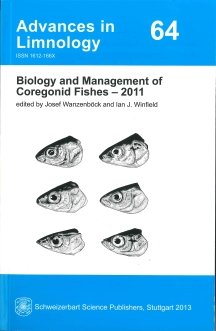
- Wanzenböck S. (2013). ForschungsNews May 2013
Diploma & Masters Theses
Frei M. (2013). Verbreitung und Rekombination von Genen zur Synthese von Toxinen und Peptiden in Cyanobakterien, pp. 121, Universität Wien, Supervision: R. Kurmayer
- Oberlercher T. M. (2013). Electric fishing for broodstock salmonids - Effects of electrofishing on reproduction in whitefish (Coregonus renke), pp. 37, MSc-thesis, Paris Lodron University of Salzburg. Supervision: J. Wanzenböck
Huber F. (2013). Isolierung von Stämmen des Süßwasserbakteriums Polynucleobacter necessarius subsp. asymbioticus, und Temperatur-Anpassungen im Vergleich zwischen Polynucleobacternecessarius subsp. asymbioticus – Stämmen aus Seen und Pfützen, pp. 105, MSc-thesis, Paris Lodron University of Salzburg. Supervision: M. Hahn
Dissertations
- Ostermaier V. (2013) Environmental regulation of microcystin genotype abundance and the resulting net production of the toxic heptapeptide microcystin among bloom-forming cyanobacteria. PhD thesis, 166 pp, University of Vienna, Supervision: Rainer Kurmayer
- Scheuerl T. (2013). Evolutionary and ecological consequences of sexual and asexual reproduction in rotifers. PhD thesis. Paris Lodron University of Salzburg. Supervision: C.P. Stelzer
Habilitations
- Hahn M.W. (2013). Ecology, diversity and taxonomy of abundant freshwater bacteria. Habilitation Thesis, Paris Lodron University, Salzburg.
Reviewed publications
- Dokulil M.T., Teubner K. (2012). Deep living Planktothrix rubescens modulated by environmental constraints and climate forcing, Hydrobiologia 698: 29–46,DOI: 10.1007/s10750-012-1020-5.
- Hahn M.W., Minasyan A., Lang E., Koll U., Spröer C. (2012). Polynucleobacter difficilis sp. nov., a planktonic freshwater bacterium affiliated with subcluster B1 of the genus Polynucleobacter. Int. J. Syst. Evol. Microbiol. 62:376 - 383 doi: 10.1099/ijs.0.031393-0
- Hahn M.W., Scheuerl T., Jezberová J., Koll U., Jezbera J., Šimek K., Vannini C., Petroni G., Wu Q.L. (2012). The passive yet successful way of planktonic life: Genomic and experimental analysis of the ecology of a free-living Polynucleobacter population. PLoS ONE 7(3): e32772. PDF
- Jezbera J., Jezberová J., Koll U., Hornak K., Simek K., Hahn M.W. (2012). Contrasting trends in distribution of four major planktonic betaproteobacterial groups along a pH gradient of epilimnia of 72 freshwater habitats. FEMS Microbiology Ecology 81: 467-479.
- Luoto T.P. (2012). Intra-lake patterns of aquatic insect and mite remains. Journal of Paleolimnology 47(1): 141-157.
- Luoto T.P. (2012). Spatial uniformity in depth optima of midges: evidence from sedimentary archives of shallow Alpine and boreal lakes. Journal of Limnology 71: 228-232.
- Meincke L., Copeland A., Lapidus A., Lucas S., Berry K. W., Glavina Del Rio T., Hammon N., Dalin E., Tice H., Pitluck S., Richardson P., Bruce D., Goodwin L., Han C., Tapia R., Detter J. C., Schmutz J. , Brettin T., Larimer F., Land M., Hauser L., Kyrpides N. C., Ivanova N., Göker M., Woyke T., Wu Q.L., Pöckl M., Hahn M.W., Klenk H.P. (2012). Complete genome sequence of Polynucleobacter necessarius subsp. asymbioticus type strain (QLW-P1DMWA-1T). Standards in Genomic Sciences 6:74-83 PDF
- Nevalainen L. (2012). Distribution of benthic microcrustaceans along a water depth gradient in an Austrian Alpine lake - Sedimentary evidence for niche separation. Limnologica 42: 65-71.
- Nevalainen L.,Luoto, T.P. (2012). Faunal (Chironomidae, Cladocera) responses to post-Little Ice Age climate warming in the high Austrian Alps. Journal of Paleolimnology 48(4): 711-724. DOI: 10.1007/s10933-012-9640-3.
- Ostermaier V., Schanz F., Köster O., Kurmayer R. (2012) Stability of toxin gene proportion in red-pigmented populations of the cyanobacterium Planktothrix during 29 years of re-oligotrophication of Lake Zürich. BMC Biology 10:100, doi:10.1186/1741-7007-10-100.
- Pamminger-Lahnsteiner B., Winkler K., Weiss S., Wanzenböck J. (2012). Does segregated spawning time prevent the introgression of stocked whitefish species into native species? A morphometric and genetic study in Lake Mondsee, Austria. Fundamental and Applied Limnology, Advanc. Limnol. 63: 197-208.
- Sitoki L., Kurmayer R., Rott E. (2012). Spatial variation of phytoplankton composition, biovolume, and resulting microcystin concentrations in the Nyanza Gulf (Lake Victoria, Kenya). Hydrobiologia 691: 109-122. DOI 10.1007/s10750-012-1062-8PDF
- Stelzer C.P. (2012) Population regulation in sexual and asexual rotifers: an eco-evolutionary feedback to population size? Functional Ecology 26: 180–188. PDF
- Wanzenböck J., Pamminger-Lahnsteiner B., Winkler K., Weiss S. (2012). Experimental evaluation of the spawning periods of whitefish (Coregonus lavaretus complex) in Lake Mondsee, Austria. Fundamental and Applied Limnology, Advanc. Limnol. 63: 89-97.
- Zhang J., Khan M.R., Tian Y., Li Z., Riss S., He C. (2012). Divergences of MPF2-like MADS-domain proteins have an association with the evolution of the inflated calyx syndrome within Solanaceae. Planta 236(4): 1247-1260. doi:10.1007/s00425-012-1684-0
Books, Conference Proceedings, Reports, Book Reviews, Abstracts, Others
- Dokulil M.T. (2012). Potamoplankton primary productivity in side-arms, floodplains and major tributaries of the Danube, 39th IAD Conference, August 2012, Szentendre, Hungary, ISBN 978-963-8391-53-7
- Wanzenböck S. (2012). ForschungsNews Nov 2012
Diploma & Masters Theses
- Benard M. Simiyu (2012). The concentration of microcystins in Rastineobola argentea in Nyanza Gulf, Lake Victoria, Kenya. UNESCO-IHE Institute for Water Education, Delft, the Netherlands, 55pp. Supervision: Rainer Kurmayer, IPGL-programmes.
- Keil Florian (2012) Comparing two hydroacoustic analysis methods for fish abundance and biomass: Sv/TS scaling vs. fish tracking. Universität Wien, 29pp. Supervision: Josef Wanzenböck
- Oberlercher Thomas (2012). Electric fishing for broodstock salmonids - effects of electrofishing on reproduction in whitefish (Coregonus renke), 37pp., MSc thesis, University of Salzburg. Supervision: Josef Wanzenböck
Dissertations
- Schober E. (2012). Diversity in abundance of toxic genotypes in natural populations of cyanobacteria (Planktothrix spp.), University of Vienna, 129 pp., Supervision: Rainer Kurmayer
Habilitations
- Stelzer C.P. (2012) Evolutionary Ecology of Rotifers. Habilitation Thesis PDF
Reviewed publications
- Adolfsson S., Lamatsch D.K., Paczesniak D., Michalakis Y., Martens K., Schön I., Butlin R. K., Jokela J. (2011). Mitochondrial cluster-specific genome size variability among sexual and asexual lineages of the ostracod Eucypris virens species group. Joannea Geol. Paläont. 11: 9-12
- Babanazarova O.V., Kurmayer R., Sidelev S.I., Aleksandrina E. M., Sakharova E.G. (2011). Phytoplankton structure and microcystine concentration in the highly eutrophic Nero Lake. Water Resources 39(2): 229-236. PDF
- Bass D., Boenigk J. (2011). Everything is Everywhere: a twenty-first century de-/reconstruction with respect to protists. In: Fontaneto D., Brodie J. (eds): Biogeography of microorganisms. Cambridge University Press First view
- Bruvo R., Adolfsson S., Symonova R., Lamatsch D.K., Schön I., Jokela J., Butlin R.K., Müller S. (2011). Few parasites, and no evidence for Wolbachia infections in a freshwater ostracod inhabiting temporary ponds. Biological Journal of the Linnean Society 102: 208–216. doi: 10.1111/j.1095-8312.2010.01556.xPDF.
- Chorus I., Dokulil M. et al. (2011). Restoration responses of 19 lakes: are TP thresholds common? p. 84-102, In: Chorus I. and Schauser I. (2011) Oligothrophication of Lake Tegel and Schachtensee, Berlin. http://www.uba.de/uba-info-medien-e/4144.html
- Christiansen, G., Philmus, B., Hemscheidt, T., Kurmayer, R. (2011). Genetic variation of adenylation domains of the anabaenopeptin synthesis operon and the evolution of substrate promiscuity. Journal of Bacteriology 193: 3822-3831 PDF
- Hahn M.W., Lang E., Tarao M., Brandt U. (2011). Polynucleobacter rarus sp. nov., a free-living planktonic bacterium isolated from an acidic lake . Int. J. Syst. Evol. Microbiol. 61: 781-787. PDF
- Hahn M.W., Lang E., Brandt U., Spröer C. (2011). Polynucleobacter acidiphobus sp. nov., a representative of an abundant group of planktonic freshwater bacteria. Int. J. Syst. Evol. Microbiol. 61: 788-794. PDFSuppl.Mat.
- Jersabek C., Weithoff G., Weisse T. (2011). Cephalodella acidophila n. sp. (Monogononta: Notommatidae), a new rotifer species from highly acidic mining lakes. Zootaxa 2939: 50-58.
- Jezbera J., Jezberová J., Brandt U., Hahn M.W. (2011). Ubiquity of Polynucleobacter necessarius subspecies asymbioticus results from ecological diversification. Environ.Microbiol. 13: 922–931. PDF
- Kurmayer R., Schober E., Tonk L., Visser P., Christiansen, G. (2011). Spatial divergence in the proportions of genes encoding toxic peptide synthesis among populations of the cyanobacterium Planktothrix in European lakes. FEMS Microbiol Letters 317: 127-137. PDF
- Kurmayer R. (2011). The toxic cyanobacterium Nostoc strain 152 produces highest amounts of microcystin and nostophycin under stress conditions. Journal of Phycology 47: 200-207. PDF
- Lamatsch D.K., Trifonov V., Schories S., Epplen J.T., Schmid M., Schartl M. (2011). Isolation of a cancer-associated microchromosome in the sperm-dependent parthenogen Poecilia formosa. Cytogenetics and Genome Research 35(2): 135-142, doi: 10.1159/000331271
- Lauertbach S., Brauer A., Andersen N., Danielopol D.L., Dulski P., Hüls M., Milecka K., Namiotko T., Obremska M., von Grafenstein U. & DECLAKES participants (2011). Environmental responses to Lateglacial climatic fluctuations recorded in the sediments of pre-Alpine Lake Mondsee (northeastern Alps). Journal of Quaternary Science 26(3): 253-267.
- Luoto T.P.,Nevalainen L., Kultti S., and Sarmaja-Korjonen, K. (2011). An evaluation of the influence of water depth and river inflow on quantitative Cladocera-based temperature and lake level inferences in a shallow boreal lake. Hydrobiologia 676(1): 143-154, DOI: 10.1007/s10750-011-0801-6
- Liu X., Wu Q., Chen Y., Dokulil, M. (2011). Imbalance of plankton community metabolism in eutrophic Lake Taihu, China. Journal of Great Lakes Research 37: 650-655.
- Luoto T.P. and Nevalainen L. (2011). Inferring reference conditions of hypolimnetic oxygen from fossil midge assemblages – a case study from deteriorated Lake Mallusjärvi in the cultural landscape of Mallusjoki, southern Finland. Water, Air, & Soil Pollution 217: 663-675
- Moser M., Weisse, T. (2011c). The most acidified Austrian lake in comparison to a neutralized mining lake. Limnologica 41: 303-315. doi:10.1016/j.limno.2011.01.002
- Moser M., Weisse, T. (2011b). Combined stress effect of pH and temperature narrows the niche width of flagellates in acid mining lakes. J. Plankton Res. 33: 1023-1032.
- Moser M., Weisse, T. (2011a). The outcome of competition between the two chrysomonads Ochromonas sp. and Poterioochromonas malhamensis depends on pH. Eur. J. Protistol. 47: 79-85.
- Nevalainen L., Luoto T.P., Levine S., Manca, M. (2011). Modern and pre-Industrial Age distributions of Cladocera in Italian and Swiss Alpine lakes. Hydrobiologia 676(1): 173-185.
- Nevalainen L.,Luoto T.P., Levine S., Manca, M. (2011). Paleolimnological evidence for increased sexual reproduction in chydorids (Chydoridae, Cladocera) under environmental stress. Journal of Limnology 70(2): 255-262, DOI: 10.3274/JL11-70-2-08.
- Nevalainen L. (2011). Intra-lake heterogeneity of sedimentary cladoceran (Crustacea) assemblages forced by local hydrology. Hydrobiologia 676(1): 9-22, DOI: 10.1007/s10750-011-0707-3
- Nevalainen L., Sarmaja-Korjonen K., Gasiorowski M., Luoto T.P., (2011). Late 20th century shifts in cladoceran community structure and reproduction in a boreal acidified lake. Fundamental and Applied Limnology 179(2): 81-92, DOI: http://dx.doi.org/10.1127/1863-9135/2011/0179-0081.
- Nevalainen L., Sarmaja-Korjonen K., Luoto T.P. (2011). Sedimentary Cladocera as indicators of past water level changes in shallow northern lakes. Quaternary Research 75: 430-437.
- Nevalainen L., Sarmaja-Korjonen K., Luoto T.P., Kultti S. (2011). Does oxygen availability regulate sexual reproduction in local populations of the littoral cladoceran Alonella nana? Hydrobiologia 661(1): 463-468. DOI: 10.1007/s10750-010-0531-1
- Okello W., Kurmayer R. (2011) Seasonal development of cyanobacteria and microcystin production in Ugandan freshwater lakes. Lakes & Reservoirs: Research & Management 16: 123-135.
- Pearson E.J., Juggins S., Talbot H.M., Weckström J., Rosén P., Ryves D.B., Roberts S.J., Schmidt R. (2011). A lacustrine GDGT-temperature calibration from the Scandinavian Arctic to Antarctic: renewed potential for the application of DGT-paleothermometry in lakes. Geochimica et Cosmochimica Acta 75(20): 6225-6238, DOI: 10.1016/j.gca.2011.07.042.
- Savichtcheva O., Debroas D., Kurmayer R., Villar C., Jenny J.P., Fabien A., Perga M.E., Domaizon I. (2011). Quantitative PCR enumeration of total and toxic Planktothrix rubescens/agardhii and other cyanobacteria in preserved DNA isolated from lake sediments. Applied and Environmental Microbiology 77:8744-8753.doi: 10.1128/AEM.06106-11PDF
- Scheuerl T., Riss S., Stelzer C.P. (2011). Phenotypic effects of an allele causing obligate parthenogenesis in a rotifer. Journal of Heredity 102(4): 409-415. PDF
- Schmidt R., Weckström K., Lauterbach S., Tessadri R., Huber K. (2011). North Atlantic climate impact on early late-glacial climate oscillations in the south-eastern Alps inferred from a multi-proxy lake sediment record. Journal of Quaternary Science 27(1): 40-50, DOI: 10.1002/jqs. 1505.
- Stelzer C.P., Riss S., Stadler P. (2011). Genome size evolution at the speciation level: The cryptic species complex Brachionus plicatilis (Rotifera) BMC Evolutionary Biology 11: 90. PDF
- Stelzer C.P. (2011). A first assessment of genome size diversity in Monogonont rotifers. Hydrobiologia 662: 77–82 PDF
- Stelzer C.P. (2011). The cost of sex and competition between cyclical and obligate parthenogenetic rotifers. American Naturalist 177(2): E43-E53. PDF
- Taipale S., Kankaala P., Hahn M. W., Jones R. I., Tiirola M. (2011). Methane oxidizing and photoautotrophic bacteria are major producers in a humic lake with large anoxic hypolimnion. Aquat Microb Ecol. 64: 81–95.
- Walpola H., Leichtfried M., Amarasinghe M., Füreder L. (2011). Leaf litter decomposition of three riparian tree species and associated macroinvertebrates of Eswathu Oya, a low order tropical stream in Sri Lanka. Internat. Rev. Hydrobiol. 96(1): 90-104.
- Wang J., Yang D., Zhang Y., Shen J., van der Gast C., Hahn M.W., Wu, Q.L (2011). Do patterns of bacterial taxon richness along salinity gradients differ from those observed for macroorganisms? PLoS ONE 6(11): e27597. LINK
- Weisse T., Berendonk T., Kamjunke N., Moser M., Scheffel U., Stadler P., Weithoff G. (2011). Significant habitat effects influence protist fitness: evidence for local adaptation from acidic mining lakes. Ecosphere 2(12): 134. doi:10.1890/ES11-00157.1 PDF
- Winkler K., Pamminger-Lahnsteiner B., Wanzenböck J., Weiss, S. (2011). Hybridization and restricted gene flow between native and introduced stocks of Alpine whitefish (Coregonus sp.) across multiple environments. Molecular Ecology 20(3): 456-472. doi: 10.1111/j.1365-294X.2010.04961.x PDF
Books, Conference Proceedings, Reports, Book Reviews, Abstracts, Others
- Boenigk J. (2011). Protozoa. In: Reitner J. & Thiel, V. (eds) Encyclopedia of Geobiology. Springer, XXVIII, 928 p., ISBN: 978-1-4020-9213-8
- Wanzenböck S. (2011). ForschungsNews Sept 2011
Dissertations
- Pamminger-Lahnsteiner B. (2011). Conservation of natural biological resources in Austria: ecological-, morphological- and genetic analysis of European Whitefish (Coregonus lavaretus L. complex). Paris Lodron University Salzburg, 155pp. (supervision: Wanzenböck, J.)
- Moser M. (2011). Ecophysiological adaptations of freshwater protists to extremely acidic conditions. University of Salzburg, 138 pp. (supervision: Weisse, T.)
Reviewed publications
- Ajith Kumara P.A.D., Amarasinghe U.S., Schiemer F., Winkler G., Schabuss M. (2010). Distribution and abundance of unexploited fish species in three Sri Lankan reservoirs, AsianFisheries Science 22: 867-884.
- Adolfsson S., Michalakis Y., Paczesniak D., Bode S.N.S., Butlin R.K., Lamatsch D.K., Martins M.J.F., Schmit O., Vandekerkhove J., Jokela J. (2010). Evaluation of elevated ploidy and asexual reproduction as alternative explanations for geographic parthenogenesis in Eucypris virens ostracods. Evolution 64: 986-997. doi:10.1111/j.1558-5646.2009.00872.xPDF.
- Bode S.N.S., Adolfsson S., Lamatsch D.K., Martins M.J.F., Schmit,O., Vandekerkhove J., Mezquita F., Namiotko T., Rossetti G., Schön I., Butlin R.K., Martens K. (2010). Exceptional cryptic diversity and multiple origins of parthenogenesis in a freshwater ostracod. Molecular Phylogenetics and Evolution 54: 542–552. doi:10.1016/j.ympev.2009.08.022PDF
- Findenig B.M., Chatzinotas A., Boenigk J. (2010). Taxonomic and ecological characterization of stomatocysts of Spumella-like flagellates (Chrysophyceae). J Phycol 46: 868–881.
- Hahn M.W., Lang E., Brandt U., Lünsdorf H., Wu Q.L., Stackebrandt E. (2010). Polynucleobacter cosmopolitanus sp. nov., free-living planktonic bacteria inhabiting freshwater lakes and rivers. Int. J. Syst. Evol. Microbiol. 60: 166-173.
- Hahn M.W., Kasalický V., Jezbera J., Brandt U., Jezberová J., Šimek K. (2010). Limnohabitans curvus gen. nov., sp. nov., a planktonic bacterium isolated from a freshwater lake. Int. J. Syst. Evol. Microbiol. 60: 1358-1365.
- Huber K., Weckström K., Drescher-Schneider R., Knoll J., Schmidt J., Schmidt R. (2010). Climate changes during the last glacial termination inferred from diatom-based temperatures and pollen in a sediment core from Längsee (Austria). J. Paleolimnol. 43: 131-147.
- Jezberová J., Jezbera J., Brandt U., Lindström E.S., Langenheder S., Hahn M.W. (2010). Ubiquity of Polynucleobacter necessarius ssp. asymbioticus in lentic freshwater habitats of a heterogenous 2000 km2 area. Environ. Microbiol. 12: 658-669.
- Jost S., Medinger R., Boenigk J. (2010). Cultivation independent species identification of Dinobryon sp. (Chrysophyceae) by means of multiplex single cell PCR (MSC-PCR). J Phycol 46: 901–906.
- Kasalický V, Jezbera J., Šimek K., Hahn M.W. (2010). Limnohabitans planktonicus sp. nov., and Limnohabitans parvus sp. nov., two novel planktonic Betaproteobacteria isolated from a freshwater reservoir and emended description of the genus Limnohabitans. Int. J. Syst. Evol. Microbiol. 60: 2710-2714.
- Lamatsch D.K., Stöck M., Fuchs R., Döbler M., Wacker R., Parzefall J., Schlupp I., Schartl M. (2010). Morphology, testes development and behaviour of unusual triploid males in microchromosome-carrying clones of Poecilia formosa. Journal of Fish Biology 77: 1459–1487. doi: 10.1111/j.1095-8649.2010.02766.xAbstract
- Luoto T.P., Kultti S., Nevalainen L., Sarmaja-Korjonen K. (2010). Temperature and effective moisture variability in southern Finland during the Holocene quantified with midge-based calibration models. Journal of Quaternary Science 25: 1317-1326.
- Medinger R., Nolte V., Pandey R.V., Jost S., Ottenwälder B., Schlötterer C., Boenigk J. (2010). Diversity in a hidden world: potential and limitation of next generation sequencing for surveys of molecular diversity of Eukaryotic microorganisms. Mol Ecol. 19: 32-40.
- Nevalainen L. (2010). Evaluation of microcrustacean (Cladocera, Chydoridae) biodiversity based on sweep net and surface sediment samples. Ecoscience 17: 356-364.
- Nevalainen L., Luoto T.P. (2010). Implications for the use of sedimentary invertebrate communities to infer past presence of fish. Knowledge and Management of Aquatic Ecosystems, 396(05): 1-13.
- Nolte V., Pandey R.V., Jost S., Medinger R., Ottenwalder B., Boenigk J., Schlötterer C. (2010). Contrasting seasonal niche separation between rare and abundant taxa conceals the extent of protist diversity. Mol Ecol. 19: 2908-2915.
- Okello W., Ostermaier, V; Portmann, C; Gademann, K, and Kurmayer, R. (2010) Spatial isolation favours the divergence in microcystin net production by Microcystis in Ugandan freshwater lakes. Water Research, 44: 2803-2814. PDF
- Okello, W., Portmann C., Erhard M., Gademann K., Kurmayer R. (2010). Occurrence of microcystin-producing cyanobacteria in Ugandan freshwater habitats. Environ. Tox. 25: 367-380. PDF
- Ostermaier V.,Kurmayer R. (2010). Application of real-time PCR to estimate toxin production by the cyanobacterium Planktothrix sp. Applied and Environmental Microbiology 76: 3495-3502. PDF
- Sandberger L., Feldhaar H., Lampert K.P., Lamatsch D.K., Rodel M.O. (2010). Small, specialised and highly mobile? The tree-hole breeding frog, Phrynobatrachus guineensis, lacks fine-scale population structure. African Journal of Herpetology 59: 79-94. doi: 10.1080/04416651003788619PDF
- Šimek K., Kasalický V, Horňák K., Hahn M.W., Weinbauer M.G. (2010). Assessing niche separation among coexisting Limnohabitans strains through interactions with a competitor, viruses, and a bacterivore. Appl. Environ. Microbiol. 76: 1406–1416.
- Šimek K., Kasalický V., Jezbera J., Jezberová J., Hejzlar J., Hahn M.W. (2010). Broad habitat range of the phylogenetically narrow R-BT065 cluster, representing a core group of the betaproteobacterial genus Limnohabitans. Appl. Environ. Microbiol. 76: 631-639.
- Stelzer C.P., Schmidt J., Wiedlroither A., Riss S. (2010). Loss of Sexual Reproduction and Dwarfing in a Small Metazoan. PLoS ONE 5(9): e12854. doi:10.1371/journal.pone.0012854. PDF
- Stöck M., Ustinova J., Lamatsch D.K., Schartl M., Perrin N., Moritz C. (2010). A vertebrate reproductive system involving three ploidy levels: Hybrid origin of triploids in a contact zone of diploid and tetraploid Palearctic green toads (Bufo viridis subgroup). Evolution 64(4): 944-959. doi: 10.1111/j.1558-5646.2009.00876.x
- Weithoff G., Moser M., Kamjunke N., Gaedke U., Weisse T. (2010). Lake morphometry and wind exposure may shape the plankton community structure in acidic mining lakes. Limnologica. 40: 161-166.
Books, Conference Proceedings, Reports, Book Reviews, Abstracts, Others
- Jayavel S. (2010). Current trends and the future of prokaryotic sRNA identification. Bioinformatics 10-11.
- Leichtfried M. (2010) Book Review: Rivers of Europe. K. Tockner, U. Uehlinger and Ch. T. Robinson (eds). ISBN-13: 978-0-12-369449-2. Academic Press – Elsevier, London, UK; Burlington, MA, USA; San Diego, CA, USA., 2009. 700 pp. - J. N. Am. Benthol. Soc., 29(4): 1527-1531.
- Lotter A.F., Pienitz R., Schmidt R. (2010). Diatoms as indicators of environmental change in subarctic and alpine regions, 231-248. In: Smol J.P., Stoermer E.F. (eds): The Diatoms: Application for the Environmental and Earth Sciences. Second Edition. Cambridge University Press, ISBN 978-0-521-50996-1, 667 pp.
- Pamminger-Lahnsteiner B., Winkler K.A., Wanzenböck J. (2010). Verschwinden unsere heimischen Reinanken im Mondsee durch den Besatz mit Maränen? Morphologische, genetische und experimentell-ökologische Untersuchungen, Österreichs Fischerei 63(11/12): 300-311.
- Weisse T. (2010). Editorial, Eur. J. Protistol. 46: 253.
Diploma & Masters Theses
- Laufenstein N. (2010). Lebenszyklus einer acidophilen Cephalodella-Art in Abhängigkeit von verschiedenen Futterkonzentrationen, pH-Werten und Temperaturen. Masters thesis, Univ. of Salzburg, 83 pp. (supervision: Weisse, T.)
- Mbonde A. S. (2010). Concentrations of cyanobacteria and microcystins in the near shore waters of Lake Victoria, Tanzania. IHE Delft, 71pp. (supervision: Kurmayer, R.), IPGL-programmes.
- Schärfl S. (2010). Euplotes spp. and Polynucleobacter sp. in small running waters - a symbiontic relationship. Masters thesis, Univ. of Salzburg, 77 pp. (supervision: Berninger, U.-G. and Hahn, M.)
Dissertations
- Jost S. (2010). Molecular tools for protist species discrimination and biodiversity assessment, University Innsbruck, 123 pp. (supervision: Boenigk, J.)
- Walpola K.H.S. (2010). Leaf Litter Decomposition and Associated Macroinvertebratesin a tropical stream (Eswathu Oya, Sri Lanka). – University of Innsbruck, 101 pp. (supervision: Leichtfried, M./Füreder, L.)
Reviewed publications
- Colombaroli D., Tinner W., van Leeuwen J., Noti R., Vescovi E., Vannière B., Magny M., Schmidt R., Bugmann H. (2009). Response of broadleaved evergreen Mediterranean forest vegetation to fire disturbance during the Holocene: insights from the peri-Adriatic region. Journal of Biogeography 36: 314-326
- De Castro F., Gaedke U., Boenigk J. (2009). Reverse evolution: Driving forces behind the loss of acquired photosynthetic traits. PLOS One 4:e8465
- Dokulil M.T., Herzig A. (2009). An analysis of long-term winter data on phytoplankton and zooplankton in Neusiedler See, a shallow temperate lake, Austria. Aquatic Ecology 43: 715–725. PDF
- Dunthorn M., Eppinger M., Schwarz M.V.J., Schweikert M., Boenigk J., Katz L.A., Stoeck T. (2009). Phylogenetic placement of the Cyrtolophosididae Stokes, 1888 (Ciliophora; Colpodea) and neotypification of Aristerostoma marinum Kahl, 1931. Int J Sys Evol Microbiol 59: 167-180.
- Hahn M.W. (2009). Description of seven Candidatus species affiliated with the phylum Actinobacteria, representing planktonic freshwater bacteria. Int. J. Syst. Evol. Microbiol.59: 112-117.
- Hahn M.W., Lang E., Brandt U.,Wu Q.L.,Scheuerl, T. (2009). Emended description of the genus Polynucleobacter and the species P. necessarius and proposal of two subspecies, P. necessarius subspecies necessarius subsp. nov. and P. necessarius subsp. asymbioticus subsp. nov. Int. J. Syst. Evol. Microbiol. 59: 2002-2009.
- Huber K., Kamenik C., Weckström K., Schmidt R. (2009). Taxonomy, stratigraphy, and palaeoecology of chrysophyte cysts from a Late Glacial sediment core section of Längsee, Austria. Nova Hedwigia 89: 245-261.
- Ishida K., Welker M., Christiansen G., Cadel-Six S., Bouchier C., Dittmann E., Hertweck C., Tandeau de Marsac N. (2009). Plasticity and evolution of aeruginosin biosynthesis in cyanobacteria. Applied and Environmental Microbiology 75: 2017-2026.
- Jezbera J., Sharma A.K., Brandt U., Doolittle, W.F., Hahn M.W. (2009). "Candidatus Planktophila limnetica", an actinobacterium representing one of the most numerically important taxa in freshwater bacterioplankton. Int. J. Syst. Evol. Microbiol. 59: 2864-2869.
- Kosol S., Schmidt J., Kurmayer R. (2009). Variation in peptide net production and growth among strains of the toxic cyanobacterium Planktothrix spp.Eur. J. Phycol. 44: 49-62. PDF
- Kurmayer R., Christiansen G. (2009). The genetic asis of toxin production in Cyanobacteria. Freshwater Reviews 2: 31-50 PDF
- Lamatsch D.K., Stöck M. (2009). Sperm-dependent parthenogenesis and hybridogenesis in teleost fishes. In: Lost sex! The Evolutionary Biology of Parthenogenesis (eds. I. Schön, K. Martens & P.Van Dijk), pp. 399-432 Springer, Dordrecht. doi: 10.1007/978-90-481-2770-2_19Abstract
- Moser M., Callieri C., Weisse T. (2009). Photosynthetic and growth response of freshwater picocyanobacteria are strain-specific and sensitive to photoacclimation. J. Plankton Res. 31: 349-357 PDF
- Namiotko T., Danielopol D.L., Pichler M., Von Grafenstein U., (2009). Occurrence of an Arctic ostracod species Fabaeformiscandona harmsworthi (Scott, 1899) (Ostracoda, Candonidae) in Late Glacial sediments of lake Mondsee (Austria). Crustaceana 82: 1209-1212
- Ostermaier V., Kurmayer R. (2009). Distribution and abundance of nontoxic mutants of cyanobacteria in lakes of the Alps. Microbial Ecology 58: 323-333.PDF
- Pamminger-Lahnsteiner B., Weiss S., Winkler K., Wanzenböck J. (2009). Composition of native and introduced mtDNA lineages in Coregonus sp. in two Austrian lakes: evidence for spatio-temporal segregation of larvae? Hydrobiologia 632: 167-175. doi 10.1007/s10750-009-9836-3
- Pfandl K., Chatzinotas A., Dyal P., Boenigk J. (2009). SSU rRNA gene variation resolves population heterogeneity and ecophysiological differentiation within a morphospecies (Stramenopiles,Chrysophyceae). Limnol Oceanogr 54: 171-181.
- Sharma A.K., Sommerfeld K., Bullerjahn G.S., Matteson A.R., WilhelmS.W., Jezbera, J., Brandt U., Doolittle W.F., Hahn, M.W. (2009). Actinorhodopsin genes discovered in diverse freshwater habitats and among cultivated freshwater Actinobacteria. The ISME Journal 3: 726–737.
- Stelzer C.P. (2009). Automated system for sampling, counting, and biological analysis of rotifer populations. Limnol. Oceanogr. Methods 7: 856-864. PDF
- Tarao M., Jezbera J., Hahn, M.W. (2009). Involvement of cell surface structures in size-independent grazing resistance of freshwater Actinobacteria. Appl. Environ. Microbiol. 75: 4720-4726.
- Turner B.L., Weckstrom K. (2009). Phytate as a novel phosphorus-specific paleo-indicator in aquatic sediments. J. Paleolim. 42: 391-400.
- Wu Q.L., Chatzinotas A., Boenigk J. (2009). Genetic diversity of microeukaryotes in Tibetan lakes differing by their salinity and altitude. Microb. Ecol. 58: 569-581
- Xing P., Hahn M.W., Wu Q.L. (2009). Low taxa richness of bacterioplankton in high-altitude lakes of the Eastern Tibetan Plateau with predominance of Bacteroidetes and Synechococcus. Appl. Environ. Microbiol. 75: 7017–7025
Books, Conference Proceedings, Reports, Book Reviews, Abstracts, Others
- Dokulil M.T. (2009). Comparative Primary Production. In: Gene E. Likens, (Editor) Encyclopedia of Inland Waters. Vol 1, pp. 130-137, Elsevier, Oxford.
- Dokulil M.T., Kaiblinger C. (2009). Phytoplankton Productivity. In: Gene E. Likens, (Editor) Encyclopedia of Inland Waters. Vol 1, pp. 210-218, Elsevier, Oxford.
- Hahn M.W. (2009). Real-time evolution observatories in the wild (Crystal ball - 2009). Environ. Microbiol. Reports 1: 8-9.
- Lamatsch D.K., Stöck M. (2009). Sperm-dependent parthenogenesis and hybridogenesis in teleost fishes. In: Schoen I., Martens K., VanDijk P. (eds.), Lost Sex! Berlin/Heidelberg: Springer, pp. 399-432
- Leichtfried M. (2009). Are bed-sediments in streams important? Comparison in different catchments and in different climatic zones. - Limnol. Rep. 37, Proc. 37th IAD Conf. 29.10. - 1.11.2008, Chisinau, ISBN 978-86-911997-0-8: 256 - 262.
- Schmidt R., Boenigk J. (2009) Clim-Land. In: Köck, G., Lammerhuber, L. and Piller, W.E. (Hrsg.) Planet Austria, Verlag der Österreichischen Akademie der Wissenschaften, pp. 240-247.
- Schmidt R., Drescher-Schneider R., Huber K., Weckström K. (2009). Die Bedeutung des Längsees in Kärnten für die Rekonstruktion der Klima- und Seenentwicklung am Ende der letzten Eiszeit. In: Schmidt, R., Mattulla, C. Psenner R. (Hrsgb.) Klimawandel in Österreich Die letzten 20.000 Jahre... und ein Blick voraus, alpine space – man & environment vol. 6: 27-40.
- Schmidt R., Kamenik C., Kaiblinger C., Tessadri R. (2009). Klimaschwankungen und -trends des älteren Holozäns in den südlichen Niederen Tauern: multidisziplinäre Auswertung eines Sedimentkerns aus dem Oberen Landschitzsee (Lungau). In: Schmidt R., Mattulla C. Psenner R. (Hrsgb.) Klimawandel in Österreich Die letzten 20.000 Jahre... und ein Blick voraus, alpine space – man & environment 6: 27-40.
- Schmidt R., Kamenik C., Roth M. (2009). Der Einfluss des Klimas auf die Hochlagennutzung in den südlichen Niederen Tauern (Lungau) während der letzten 4000 Jahre. In: Schmidt R., Mattulla C. Psenner R. (Hrsgb.) Klimawandel in Österreich Die letzten 20.000 Jahre... und ein Blick voraus, alpine space – man & environment 6: 27-40.
- Schmidt R., Matulla C., Psenner R. (2009) Klimawandel in Österreich. Die letzten 20.000 Jahre... und ein Blick voraus.
alpine – man & environment 6, pp. 183, innsbruck university press. - Wanzenböck J. (2009). Die Österreichische Akademie der Wissenschaften und ihre Rolle in der Fischforschung. Österreichs Fischerei 62, 11/12: 297-302.
- Weisse T. (2009). The European Journal of Protistology – Changes, chances and challenges. Eur. J. Protistol. 45: 163–164 .
- Weisse T., Boenigk J., Müller, H. (2009). Ecological methods for the study of heterotrophic nano- and microplankton of fresh and marine waters. In: A course in Protozoology, Röttger, R., Knight, R. & Foissner, W. (eds), Protozool. Monographs 4: 232-242.
Diploma & Masters Theses
- Schöttl P. (2009). Embryonic development and mortality in crossing experiments of a Baltic and Alpine whitefish lineage (Coregonus lavaretus species complex). Diplomarbeit Universität Salzburg (supervision: Wanzenböck, J.)
- Gimbo R. (2009). Spatial variability of zooplankton along a section of River Sio under different habitat conditions. Diplomarbeit UNESCO-IHE ES 09.31, IPGL-programmes.
- Kyule N.D. (2009). Dynamics and abundance of bacterio- and virioplankton in saline-alkaline East-Aftican Rift Valley Lakes, Kenya. Diplomarbeit UNESCO-IHE ES 09.32, IPGL-programmes.
- Mgana H.F. (2009). Zooplankton distribution and abundance in Lake Tanganyika with special reference to Tropodiaptomus simplex. Kigoma, Tanzania. Diplomarbeit UNESCO-IHE ES 09.33, IPGL-programmes.
- Ong´ondo G.O. (2009). The Ecology of ciliated protists and intra-specific variation of Frontonia sp. in two saline - alkaline Rift Valley lakes in Kenya. Diplomarbeit UNESCO-IHE ES 09.35, IPGL-programmes.
- Tadesse B. (2009). Prevalence and abundance of fish parasites in BOMOSA cage systems and lakes Babogaya and Awassa, Ethiopia. Diplomarbeit UNESCO-IHE ES 09.29, IPGL-programmes.
Dissertations
- Huber K. (2009). Late glacial climatic and palaeoecological investigations of Längsee (Austria) using diatoms and chrysophyte cysts. University Vienna, 143 pages. (supervision: Schmidt, R.)
- Okello W. (2009). Molecular and chemical characterisation of microcystin-producing cyanobacteria in Ugandan freshwater habitats. University of Vienna, 109 pages (supervision: Kurmayer, R.)
Reviewed publications
- Anneville O., Kaiblinger C., Tadonléké R.D., Druart J.-C., Dokulil, M.T. (2008). Contribution of long-term monitoring to the European Water Framework Directive Implementation. In: M. Sengupta & R. Dalwani (eds.), Proceedings of Taal 2007: The 12th Large Lake Conference, pp. 1122-1131, CD-ROM, Ministry of Environment & Forests, New Delhi. Abstract
- Auinger B.M., Pfandl K., Boenigk J. (2008). An improved methodology for the identification of protists and microalgae from Lugol-fixed plankton samples: Combining microscopical analysis with single cell PCR. Appl Environ Microbiol 74: 2505-2510
- Boenigk J. (2008). The past and present classification problem in nanoflagellates. Protist 159: 319-337
- Christiansen G., Yoshida W.Y., Blom J., Portmann C., Gademann K.G., Hemscheidt T., Kurmayer R. (2008). Isolation and structure determination of two microcystins and sequence comparisons of McyABC adenylation domains in Planktothrix species. Journal of Natural Products 71: 1881-1886. PDFSupplement
- Christiansen G., Molitor C., Philmus B., Kurmayer R. (2008). Non-toxic strains of cyanobacteria are the result of major gene deletion events induced by a transposable element, Mol. Biol. Evolution 25 Link
- Gächter E., Weisse, T. (2008). Long-term acclimation of growth rates in the oligotrich freshwater ciliate Meseres corlissi. Verh. Internat. Verein. Limnol. 30: 218-222
- Lamatsch D.K., Fischer P., Geiger M., Lampert K.P., Schlupp I., Schartl M. (2008). Diploid Amazon mollies (P. formosa) show a higher fitness than triploids in clonal competition experiments, Evolutionary Ecology 23: 687-697. doi:10.1007/s10682-008-9264-2
- Lamatsch D.K., Lampert K.P., Fischer P., Schartl M. (2008). A tetraploid Amazon molly, Poecilia formosa. Journal of Heredity 99:223-226. doi:10.1093/jhered/esm102
- Loewe L., Lamatsch D.K. (2008). Muller´s ratchet may threaten the Amazon molly and other ancient asexuals. BMC Evolutionary Biology 8:88-108. doi:10.1186/1471-2148-8-88
- Montagnes D.J.S., Morgan G., Bissinger J. E., Atkinson D., Weisse T. (2008). Short-term temperature change may impact freshwater carbon flux: a microbial perspective. Global Change Biology 14: 2810-2822
- Philmus B., Christiansen G., Yoshida W.Y., Hemscheidt T.K. (2008). Posttranslational modification in microviridin biosynthesis. Chembiochem 9: 3066-3073.
- Schiemer F., Danielopol D. L. (2008). Heinz Löffler (1927-2006), Hydrobiologia 596: 1-4
- Schmidt R., Roth M., Tessadri R., Weckström K. (2008). Disentangling late-Holocene climate and land use impacts on an Austrian alpine lake using seasonal temperature anomalies, ice-cover, sedimentology, and pollen tracers. J. Paleolimnol. 40: 453-469.
- Schön I., Lamatsch D.K., Martens K. (2008). Lessons to learn from ancient asexuals. In: Genome Dynamics & Stability 3 (eds. D. Lankenau & R. Egel) Springer Berlin / Heidelberg, pp. 341-376. doi:10.1007/7050_2007_032
- Stoeck T., Jost S., Boenigk J. (2008). Multigene phylogenies of clonal Spumella-like strains, a cryptic heterotrophic nanoflagellate, isolated from different geographic regions. Int J Sys Evol Microbiol 58: 716-124
- Stelzer C.P. (2008). Obligate asex in a rotifer and the role of sexual signals. Journal of Evolutionary Biology 21 (1) 287–293. PDF
- Thompson R. Kamenik C., Schmidt R., Pla S., Rieradevall M. et al. [..] (2008). Testing a new multigroup inference approach in reconstructing past environmental conditions. J. Limnol. 67: 155-162.
- Weisse T., Strüder-Kypke M., Berger H., Foissner W. (2008). Genetic, morphological, and ecological diversity of spatially separated clones of Meseres corlissi Petz and Foissner, 1992 (Ciliophora, Spirotrichea). J. Eukaryot. Microbiol. 55: 257-270.
- Weisse T. (2008). Distribution and diversity of aquatic protists: an evolutionary and ecological perspective. Biodivers. Conserv. 17: 243-259. Link
Books, Conference Proceedings, Reports, Book Reviews, Abstracts, Others
- Dokulil M.T., Kaiblinger C. (2008). Assessment of potamoplankton and primary productivity in the River Danube: A review. (CD-ROM)
- Dokulil M.T., Kaiblinger C. (15.12.2008) Phytoplankton. Full Report + Annexes. (CD-ROM)
- Hahn W.W., Wu Q. L. (2008). Planktonic bacteria in Chinese and European lakes: Are they different? In: Microbes and the Environment: Perspective and Challenges, S.-J. Liu H. L. Drake (eds.), Science Press, Beijing, pp. 73-78.
Huber K., Klee R., Schmidt R. (2008). Distribution and morphological variability of Cyclotella-taxa in the late glacial of Längsee (Austria) In: Kusber, W.-H. & Jahn, R. (ed.), Proceedings of the 1st Central European Diatom Meeting , pp. 59-62.
- Weisse T. (2008a). Limnoecology - The Ecology of Lakes and Streams (Book review of Lampert, W. u. Sommer, U., 2nd edition 2007) J Plankton Res.; doi: 10.1093/plankt/fbn013 PDF
- Weisse T. (2008b). Wilhelm FOISSNER and the German Society for Protozoology. Denisia 23: 9. PDF
- Weisse T. (2008c). The meaning of protist diversity: ecology meets taxonomy. Denisia 23: 297-306. PDF
Weliange W.S. (2008). Spatio-Temporal Distribution and Abundance of Fish and Macroinvertebrate Fauna and their trophic relationships in low order streams of the dry and wet zones in Sri Lanka. – University of Innsbruck, 150 pp. (supervision: Leichtfried/Füreder)
- Wolfram G., Dokulil M.T. (2008). Leitfaden zur Erhebung der biologischen Qualitätselemente. Teil B2 – Phytoplankton. (Internet); Wien http://wasser.lebensministerium.at/article/articleview/52972/1/5659
Diploma & Masters Theses
- Scheuerl T. (2008). Metabolic and ecological characterisation of the genome-sequenced bacterium Polynucleobacter necessarius subsp. asymbioticus strain QLW-P1DMWA-1T by ecophysiological investigations. Master Thesis, University of Salzburg (supervision: Hahn, M.).
Reviewed publications
- Boenigk J., Jost S., Stoeck T., Garstecki, T. (2007). Differential thermal adaptation of clonal strains of a protist morphospecies originating from different climatic zones. Environ Microbiol 9:593-602
- Danielopol D. L., Griebler C., Gunatilaka A., Hahn H. J., Gibert, J. et al. [..] (2007). Incorporation of groundwater ecology in environmental policy. In: Quevauviller, Phillip (Hrsg.), Groundwater Science and Policy; Cambridge, UK: Royal Society of Chemistry, S. 671-689.
- Dokulil M.T., Donabaum K., Teubner K. (2007b). Modifications in phytoplankton size structure by environmental constraints induced by regime shifts in an urban lake. Hydrobiologia 578, 59-63. DOI 10.1007/s10750-006-0433-4. PDF
- Fleituch T., Leichtfried M. (2007). Electron Transport System (ETS) Activity in alder leaf litter in two contrasting headwater streams. - Internat. Rev. Hydrobiol. 92 (4-5): 378-391
- Gassner H., Wanzenböck J. (2007). Application of population size structure indices to Austrian whitefish (Coregonus sp.) stocks. Fundamental and Applied Limnology. Special Issues: Advances in Limnology 60: 377-384.
- Gido Z., Artheau M., Colin J.-P., Danielopol, D.L., Marmonier P. (2007). Description of the stygobiotic crustacean Dolekiella europaea ge.nov. sp.nov. (Ostracoda, Limnocytheridae) from Southern France. Vie Milieu 57: 109-116.
- Hahn M.W. & Schauer M. (2007). ‘Candidatus Aquirestis calciphila’ and ‘Candidatus Haliscomenobacter calcifugiens’, filamentous, planktonic bacteria inhabiting natural lakes. Int. J. Syst. Evol. Microbiol. 57: 936-940.
- Helešic J., Leichtfried M., Statzner B., Schenková J. (eds.) (2007). Advances in River Bottom Ecology (River Bottom VI). - Internat. Rev. Hydrobiol. 92(4 - 5): 361 - 362
- Ishida K., Christiansen G., Yoshida W.Y., Kurmayer R., Welker M., Bonjoch J., Hertweck C., Börner T.; Hemscheidt T. & Dittmann E. (2007). Biosynthetic pathway and structure analysis of aeruginoside 126A and B, cyanobacterial peptide glycosides bearing an unusual 2-carboxy-6-hydroxyoctahydroindole moiety. Chemistry and Biology 14: 565-576. Links to PDFs (Ishida et al. 2007), (preface Ishida et al. 2007)
- Kaiblinger C., Greisberger J., Teubner K., Dokulil M.T. (2007). Photosynthetic efficiency as a function of thermal stratification and phytoplankton size structure in an oligotrophic alpine lake. Hydrobiologia 578, 29-36. DOI 10.1007/s10750-006-0430-7. PDF
- Kamenik C., Szeroczynska K., Schmidt R. (2007). Relationships among recent Alpine Cladocera remains and their environment: implications for climate-change studies. Hydrobiologia 594: 33-46.
- Leichtfried M. (2007). The energy basis of the consumer community in streams yesterday, today and tomorrow… - Internat. Rev. Hydrobiol. 92(4 - 5): 363 - 377
- M`Erimba C. M., Leichtfried M., Mathooko J.M. (2007). Particulate organic matter (POM) in the humid and wet zones of the Ellegirini River, Kenya. - Internat. Rev. Hydrobiol. 92(4-5): 392-401
- Naselli-Flores L., Barone R., Chorus I., Kurmayer R. (2007). Toxic cyanobacterial blooms under a semiarid mediterranean climate: The magnification of a problem. Environmental Toxicology 22: 399-404. PDF
- Schmidt R., Kamenik C., Roth M. (2007). Siliceous algae-based seasonal temperature inference and indicator pollen tracking ca. 4,000 years of climate/land use dependency in the southern Austrian Alps. J. Paleolimnol. 38: 541-554.
- Schober E., Werndl M., Laakso K., Korschineck I., Sivonen K., Kurmayer R. (2007). Interlaboratory comparison of Taq Nuclease Assays for the quantification of the toxic cyanobacteria Microcystis sp. Journal of Microbiological Methods 69: 122-128. PDF
- Vannini C., Pöckl M., Petroni G., Wu Q.L., Lang E., Stackebrandt E., Schrallhammer M., Richardson P.M., Hahn M.W. (2007). Endosymbiosis in statu nascendi: Close phylogenetic relationship between obligately endosymbiotic and obligately free-living Polynucleobacter strains (Betaproteobacteria). Environ. Microbiol. 9: 347-359.
- Weisse T., Scheffel U., Stadler P., Foissner W. (2007). Local adaptation among geographically distant clones of the cosmopolitan freshwater ciliate Meseres corlissi. II. Response to pH. Aquat. Microb. Ecol. 47: 289-297 PDF
- Weliange W.S., Pogosa J., Lankaadikara C., Leichtfried M., Göltenboth F. (2007). Guide to fresh water fishes in Tubod River, Lake Danao and Inawasan River in Leyte, Philippines. -- Ann. Trop. Res. 29(2): 1-27
- Wu Q.L., Chen Y., Xu K., Liu, Z. Hahn M.W. (2007). Intra-habitat heterogeneity of microbial food web structure under the regime of eutrophication and sediment resuspension in the large subtropical shallow Lake Taihu, China. Hydrobiologia 581: 241–254.
- Wu Q.L., Zwart G., Wu J., Kamst van Agterveld M.P., Liu S., Hahn M.W. (2007). Submersed macrophytes play a key role in structuring bacterioplankton community composition in the large, shallow, subtropical Taihu Lake, China. Environ. Microbiol. 9: 2765–2774.
Books, Conference Proceedings, Reports, Book Reviews, Abstracts, Others
- Danielopol D. L., Gross M., Piller W. E., et al. [..] (2007). Taxonomic diversity of Middle miocene ostracod assemblages – a useful tool for palaeoenvironmental characterisation of the Hainburg area (Vienna Basin). Joannea Geologie und Paläontologie 9: 25-30.
- Danielopol D. L., Schiemer Fritz, (2007). Notes and news - In memoriam Heinz Löffler (1927-2006). Crustaceana 80: 1013-1018. 210191
- Kurmayer R. (2007). Genetic diversity of toxin production in cyanobacteria. Habilitationsschrift, Universität Wien, Fakultät für Lebenswissenschaften, Wien, Wien.
- Groben R., Hahn M.W., Horňák K., Mergeay J., Šimek K, Vrba J. (2007). Meeting Report: ALTER-Net Workshop about the “Application of Molecular Techniques to Study Biodiversity, Structure and Function of Planktonic Communities in Lakes” at Blanes, Spain, February 15-16, 2007. Protist 158: 417-421.
- Pipik R., Minati K., Buttinger R., Danielopol D. L., et al. [..] (2007). Morphological disparity within Sarmatian and Pannonian populations of Cyprideis from the Vienna Basin. Joannea Geologie und Paläontologie 9: 87-88.
- Weisse T. (2007a). Der Artbegriff bei Bakterien, Ein- und Vielzellern (The Species concept of bacteria, protists and metazoa). Denisia 20: 149-154 (in German, with English abstract) PDF
- Weisse T. (2007). Limnology in Austria and at Mondsee - Going Against the Trend? 51: 7-8 PDF
Diploma & Masters Theses
- Mayr S. (2007). The pearlfish (Rutilus meidingeri (Heckel 1851))- Its habitat use, food, growth and within population variation in morphology in Lake Mondsee, Austria. Diplomarbeit, Paris Lodron Universität Salzburg (supervision: Wanzenböck, J.).
- Kaddumukasa, M. (2007). Revealing Potential Trophic Links between Polynucleobacter Bacteria and Mosquito Larvae Inhabiting Freshwater Systems in Uganda. Master Theses. (supervision: Hahn, M.), IPGL-programmes.
- Ostermaier, V. (2007) Saisonale Abundanzmuster von toxischen Genotypen in Populationen aquatischer cyanobakterien. Diplomarbeit, Fakultät für Biologie, Ludwig-Maximilian Universität München.
Reviewed publications
- Boenigk J., Jost S., Stoeck T., Garstecki T. (2006) Differential thermal adaptation of clonal strains of a protist morphospecies originating from different climatic zones. Environ Microbiol doi:10.1111/j.1462-2920.2006.01175.x
- Boenigk, J., Pfandl, K., Garstecki, T., Novarino, G., Chatzinotas, A. (2006) Evidence for geographic isolation and signs of endemism within a protistan morphospecies. Appl Environ Microbiol 72:5159-5164 PDF
- Boenigk, J., Pfandl, K., Hansen, P. (2006) Exploring strategies for nanoflagellates living in a ‘wet desert’. Aquat Microb Ecol 44:71-83 PDF
- Christiansen, G., Kurmayer, R., Liu, Q., Börner, T. (2006) Transposons inactivate the biosynthesis of the nonribosomal peptide microcystin in naturally occurring Planktothrix spp. Applied and Environmental Microbiology 72: 117-123. PDF
- Dokulil, M.T., Donabaum, K. & Pall, K. (2006h) Alternative stable states in floodplain ecosystems. Ecohydrology & Hydrobiology 6, 37-42.
- Dokulil, M.T., Jagsch, A., George, G.D., Anneville, A., Jankowski, Th., Wahl, B., Lenhart, B., Blenckner, T. & Teubner, K., (2006g) Twenty years of spatially coherent deep-water warming in lakes across Europe related to the North Atlantic Oscillation. - Limnol. Oceanogr. 51, 2787-2793. PDF
- Dokulil, M.T., Teubner, K. & Jagsch, A. (2006b) Climate change affecting hypolimnetic water temperatures in deep alpine lakes. Verh. Internat. Verein. Limnol. 29, 1285-1288.
- Dokulil, M.T. & Teubner, K. (2006f) Bewertung der Phytoplanktonstruktur stehender Gewässer gemäß der EU-Wasserrahmenrichtlinie: Der modifizierte Brettum-Index. - Dt. Ges. Limnol. (DGL), Tagungsbericht 2005 (Karlsruhe), 356-360, Werder 2006.
- Fesl, C., & Humpesch, U.H. (2006) Spatio-temporal variability of benthic macroinvertebrate community attributes an their relationshis toenvironmental factors in a large river (Danube, Austria). Archiv für Hydrobiologie, Supplement Volume 158, Large Rivers 16, 329-350.
- Foissner, W., Pichler, M., Al-Rahsheid, K. & Weisse, T. (2006) The unusual, Lepidosome-coated resting cyst of Meseres corlissi (Ciliophora: Oligotrichea): encystment and genesis and release of the lepidosomes. Acta Protozool. 45: 323-338
- Gächter, E. and Weisse, T. (2006) Local adaptation among geographically distant clones of the cosmopolitan freshwater ciliate Meseres corlissi. I. Temperature response. Aquat. Microb. Ecol. 45: 291-300 PDF
- Greisberger, S & Teubner, K. (2006c) Abschätzung der saisonalen und vertikalen Verteilung des Phytoplanktons in einem tiefen Alpensee anhand von Pigmentmustern. - Dt. Ges. Limnol. (DGL), Tagungsbericht 2005 (Karlsruhe), 174-178, Werder 2006.
- Hahn, M.W. (2006) The microbial diversity of inland waters. Current Opinion in Biotechnology 17: 256-261
- Helesic, J., Leichtfried, M., Omesova, M. (2006) Investigations on gravel bars and the hyporheic zone in an alpine and two hercynian streams in Central Europe, - Verh. Internat. Verein. Limnol. 29. 1511-1515
- Janauer, G. & Dokulil, M.T. (2006a) Macrophytes and algae in running waters. In: G. Ziglio, M. Siligardi & G. Flaim (eds.), Biological monitoring of rivers. Application and perspectives, Wiley, Chichester, 89-109 PDF
- Kaiblinger, C. & Dokulil, M.T. (2006e) Application of Fast Repetition Rate Fluorometry to phytoplankton photosynthetic parameters in freshwaters. Photosynthesis Research 88, 19-30. PDF
- Kaiblinger, C. & Dokulil, M.T. (2006d) Saisonale Unterschiede der photosynthetischen Parameter des Phytoplanktons in Seen: Kurzzeitmessungen mit aktiver Fluoreszen (FRRF-Technik). - Dt. Ges. Limnol. (DGL), Tagungsbericht 2005 (Karlsruhe), 179-182, Werder 2006.
- Kurmayer, R., Gumpenberger, M. (2006) Diversity of microcystin genotypes among populations of the filamentous cyanobacteria Planktothrix rubescens and Planktothrix agardhii. Molecular Ecology 15: 3849-3861. PDF
- M´Erimba, Ch. M., Mathooko, J.M., Leichtfried, M., (2006) Variations in coarse particulate organic matter in relation to anthropogenic trampling on the banks of the Njoro River, Kenya; African Journal of Ecology 44: 1 - 5
- Mikheev, V.N., J. Wanzenböck & A.F. Pasternak (2006) Effects of predator-induced visual and olfactory cues on 0+ perch (Perca fluviatilis L.) foraging behaviour. Ecology of Freshwater Fish 15:111-117.
- Müller, H., Foissner, W. & Weisse, T. (2006) The role of soil in the life cycle of Meseres corlissi (Ciliophora: Oligotrichea): experiments with two clonal strains from the type locality, an astatic meadow pond. Aquat. Microb. Ecol. 42: 199-208 PDF
- Pfandl, K., Boenigk, J. (2006) Stuck in the mud: Suspended sediments as a key issue for survival of bacterivorous protists. Aquat Microb Ecol 45:89-99
- Schauer, M., Jing, J. and Hahn, M.W. (2006) Recurrent seasonal variations in abundance and composition of filamentous SOL cluster bacteria (Saprospiraceae, Bacteroidetes) in oligomesotrophic Lake Mondsee (Austria). Appl. Environ. Microbiol. 72:4704-4712.
- Schmidt, R., Kamenik, Ch., Tessadri, R. & Koinig, K.A. (2006) Climatic changes from 12,000 to 4,000 years ago in the Austrian Central Alps tracked by sedimentological and biological proxies of a lake sediment core. J. Paleolimnol. 35: 491-505.
- Schober, E., Kurmayer, R. (2006) Evaluation of different DNA sampling techniques for the application of the real-time PCR method for the quantification of cyanobacteria in water. Letters in Applied Microbiology 42: 412-417. PDF
- Sielaff, H.; Christiansen, G., and Schwecke (2006) T. Natural Products From Cyanobacteria: Exploiting a New Source for Drug Discovery. Idrugs 9(2):119-127.
- Šimek, K., K. Horňák, J. Jezbera, J. Nedoma, J. Vrba, V. Straškrábová, M. Macek, J. R. Dolan and Hahn M.W. (2006) Maximum growth rates and possible life strategies of different bacterioplankton groups in relation to phosphorus availability in a freshwater reservoir. Environ. Microbiol. 8: 1613-1624.
- Stelzer, C.P. and Snell, T.W. (2006) "Specificity of the crowding response in the Brachionus plicatilis species complex." Limnology and Oceanography 51: 125-130. PDF
- Stelzer, C.-P. (2006) Competition between two planktonic rotifer species at different temperatures: an experimental test. Freshwater Biology 51(12): 2187-2199. PDF
- Wanzenböck, J., Mikheev, V.N. & Pasternak A.F. (2006) Modification of 0+ perch foraging behaviour by indirect cues of predation risk. Ecology of Freshwater Fish 15:118-124.
- Weisse, T. (2006 c) Biodiversity of aquatic protists – what can we learn from bacteria and Daphnia? Endocytobiosis Cell Res. 17: 154-163 PDF
- Weisse, T. (2006b) Biodiversity of freshwater microorganisms - achievements, problems, and perspectives. In: Gliwicz, Z. M. Mazurkiewicz-Boron, G. & Rouen, K. (eds.): Reviewing European Freshwater Sciences, 2005. Pol. J. Ecol. 54: 633-652 PDF
- Weisse, T. (2006) Freshwater ciliates as ecophysiological model organisms - lessons from Daphnia, major achievements, and future perspectives. Arch. Hydrobiol. 167: 371-402 PDF
- Weisse, T. & Stadler, P. (2006) Effect of pH on growth, cell volume, and production of freshwater ciliates, and implications for their distribution. Limnol. Oceanogr. 51: 1708-1715. PDF
- Weisse, T. & Rammer, S. (2006) Pronounced ecophysiological clonal differences of two common freshwater ciliates, Coleps spetai (Prostomatida) and Rimostrombidium lacustris (Oligotrichida), challenge the morphospecies concept. J. Plankton Res. 28: 55-63., PDF
- Wu, Q.L., G. Zwart, M. Schauer, M.P., Kamst-van Agterveld and Hahn M.W. (2006) Bacterioplankton community composition along a salinity gradient of sixteen high-mountain lakes located on the Tibetan Plateau, China. Appl. Environ. Microbiol. 72:5478–5485.
- Wu, Q.L. and Hahn, M.W. (2006b) High predictability of the seasonal dynamics of a species-like Polynucleobacter population in a freshwater lake. Environ. Microbiol. 8:1660-1666.
- Wu, Q.L. and Hahn, M.W. (2006) Differences in structure and dynamics of Polynucleobacter communities in a temperate and a subtropical lake revealed at three phylogenetic levels. FEMS Microb. Ecol. 57(1):67
- Zick, D., H. Gassner, P. Filzmoser, J. Wanzenböck, B. Pamminger-Lahnsteiner, & G. Tischler (2006) Changes in the fish species composition of all Austrian lakes >50 ha during the last 150 years. Fisheries Management and Ecology 13: 103-111.
Books, Conference Proceedings, Reports, Book Reviews, Abstracts, Others
- Dokulil, M.T. & Teubner, K. (2006) Bewertung der Phytoplanktonstruktur stehender Gewässer gemäß der EU-Wasserrahmenrichtlinie: Der modifizierte Brettum-Index. - Dt. Ges. Limnol. (DGL), Tagungsbericht 2005 (Karlsruhe), 356-360, Werder 2006.
- Greisberger, S., & Teubner, K.(2006) Abschätzung der saisonalen und vertikalen Verteilung des Phytoplanktons in einem tiefen Alpensee anhand von Pigmentmustern. - Dt. Ges. Limnol. (DGL), Tagungsbericht 2005 (Karlsruhe), 174-178, Werder 2006.
- Kaiblinger, C. & Dokulil, M.T., (2006) Saisonale Unterschiede der photosynthetischen Parameter des Phytoplanktons in Seen: Kurzzeitmessungen mit aktiver Fluoreszen (FRRF-Technik). - Dt. Ges. Limnol. (DGL), Tagungsbericht 2005 (Karlsruhe), 179-182, Werder 2006.
Diploma & Masters Theses
- Carole Molitor (2006) Phylogenetische Charakterisierung von Mutationen im Gencluster zur Synthese des toxischen Heptapeptids Microcystin. Institut für Limnologie, Universität Innsbruck, 154pp (supervision: Kurmayer, R.)
- Roth, M. (2006) Rekonstruktion Holozäner Umweltveränderungen in einem Alpinen See mittels Diatomeen und Chrysophyceen (Oberer Landschitzsee, Niedere Tauern). Fakultät für Naturwissenschaften Universität Salzburg und Institut für Limnologie, Österreichische Akademie der Wissenschaften, 72 pp (supervision: Schmidt, R.)
Dissertations
- Gächter, E .(2006) Die Bedeutung von phänotypischer und genotypischer Variabilität beim Süßwasserciliaten Meseres corlissi. Dissertation, Naturwiss. Fakultät der Univ. Salzburg, 105 pp (supervision: Weisse, T.)
- Kaiblinger, C. (2006) Acclimation processes of phytoplankton photosynthesis to light and temperature in an oligotrophic lake. Diss. Univ. Wien, 57 S (supervision: Dokulil, M.)
Reviewed publications
- Boenigk, J., Pfandl, K., Stadler, P., Chatzinotas, A. (2005) High diversity of the “Spumella-like” flagellates: An investigation based on the SSU rRNA gene sequences of isolates from habitats located in six different geographic regions. Environ. Microbiol. 7:685-697 PDF
- Boenigk, J., Wiedlroither, A., Pfandl, K. (2005) Heavy metal toxicity and bioavailability of dissolved nutrients to a bacterivorous flagellate are linked to suspended particle physical properties. Aquat. Toxicol. 71:249-259 PDF
- Callieri, C., Moro, S., Crosbie, N.D. & Weisse, T. (2005) Strain-specific photosynthetic response of freshwater picocyanobacteria. Verh. int. Ver. Limnol. 29: 777-782.
- Camacho, A., Rochera, C., Silvestre, J.J., Vicente, E. and Hahn, M.W. (2005) Spatial Dominance and Inorganic Carbon Assimilation by Conspicuous Autotrophic Biofilms in a Physical and Chemical Gradient of a Cold Sulfurous Spring: The Role of Differential Ecological Strategies. Microb. Ecol. (50: 172 - 184.). Abstract
- Dokulil, M.T. & Teubner, K. (2005a). Do phytoplankton assemblages correctly track trophic changes? - Assessment from contemporary and palaeolimnological data. Freshwater Biology 50, 1594-1604. PDF
- Fesl, C. & Humpesch, U.H. (2005). Biodiversität des Makrozoobenthos der österreichischen Donau unter Berücksichtigung quantitativer Befunde der Freien Fließstrecke unterhalb Wien. Denisia 16, 139-158.
- Foissner, W., Mülle,r H. & Weisse, T. (2005). The unusual, Lepidosome-coated resting cyst of Meseres corlissi (Ciliophora: Oligotrichea) 1. Light and scanning electron microscopy, cytochemistry. Acta Protozool . 44: 201-215.
- Gassner, H.,Wanzenböck, J., Zick, D., Tischler, G. & Pamminger-Lahnsteiner, B. (2005): Development of a fish based lake typology for natural Austrian Lakes > 50 ha based on the reconstructed historical fish communities. International Review of Hydrobiology 90: 422-432.
- Hahn, M.W., Pöckl, M. and Wu, Q.L. (2005) Low intraspecific diversity in a Polynucleobacter subcluster population numerically dominating bacterioplankton of a freshwater pond. Appl. Environ. Microbiol. 71: 4539–4547. Abstract
- Hahn, M.W. and Pöckl, M. (2005) Ecotypes of planktonic Actinobacteria with identical 16S rRNA genes adapted to thermal niches in temperate, subtropical, and tropical freshwater habitats. Appl. Environ. Microbiol. 71: 766–773. AbstractPDF
- Humpesch, U.H. & Fesl, C. (2005). Biodiversity of macrozoobenthos in a large river, the Austrian Danube, including quantitative studies in a free-flowing stretch below Vienna: a short review. Freshwater Forum 24, 3-23.
Jeppesen, E., Dokulil, M.T. et al. (2005b). Lake responses to reduced nutrient loading - an analysis of contemporary long-term data from 35 case studies. Freshwater Biology (2005) 50, 1747-1771. PDF
- Kaiblinger, C., Teubner, K. & Dokulil, M.T. (2005) Comparative assessment of Phytoplankton photosynthesis using conventional 14C-determination and Fast Repetition Rate Fluorometry in freshwaters. Verh. Internat. Verein Limnol. 29: 254-256 Abstract
- Kamenik, C. & Schmidt, R. (2005). Chrysophyte resting stages: a tool for reconstructing winter/spring climate from Alpine lake sediments. Boreas 34: 477-489.
Kamenik, C. & Schmidt, R. (2005). Computer-aided SEM analysis of Chrysophyte stomatocysts. Nova Hedwigia, Beihefte 128: 269-274
- Kamenik, C., Koinig, K.A. & Schmidt, R. (2005). Potential effects of pre-industrial lead pollution on algal assemblages from an Alpine lake. Verh. Int. Ver. Limnol. 29: 535-538.
- Kurmayer, R, Christiansen, G., Gumpenberger, M., Fastner, J. (2005) Genetic identification of microcystin ecotypes in toxic cyanobacteria of the genus Planktothrix.Microbiology 151: 1525-1533.
- Liti, D.M., Fulanda, B., Munguti, J.M., Straif, M., Waidbache,r H. & Winkler, G. (2005). Effects of open-pond density and caged biomass of Nile Tilapia (Oreochromis niloticus L.) on growth, feed utilization, economic returns and water quality in fertilized ponds. Aquaculture Research 36, 15, 1535-1543.
- Mikheev, V.N., A.F. Pasternak, Tischler, G. & Wanzenböck, J. (2005): Contestable shelters provoke aggression among 0+ perch, Perca fluviatilis. Environmental Biology of Fishes 73: 227-231.
- Purtscher, U. & Humpesch, U.H. (2005). Egg size relationships in five species of salmonids and Thymallus thymallus (L.). Archiv für Hydrobiologie, Supplement Volume, Large Rivers.
- Saker, M. L.; Fastner, J.; Dittmann, E.; Christiansen, G., and Vasconcelos, V. M. (2005) Variation Between Strains of the Cyanobacterium Microcystis Aeruginosa Isolated From a Portuguese River. Journal of Applied Microbiology 99(4):749-757.
- Schauer, M., Kamenik, C. & Hahn, M.W. (2005) Ecological Differentiation within a Cosmopolitan Group of Planktonic Freshwater Bacteria (SOL Cluster, Saprospiraceae, Bacteroidetes). Appl. Environ. Microbiol. 71: 5900-5907. Abstract
- Schauer, M., and Hahn, M.W. (2005) Diversity and phylogenetic affiliations of morphologically conspicuous large filamentous bacteria occurring in the pelagic zones of a broad spectrum of freshwater habitats. Appl. Environ. Microbiol. 71: 1931-1940. AbstractPDF
- Sekadende, B.C., Lyimo, T.J., Kurmayer, R. (2005) Microcystin production by cyanobacteria in the Mwanza Gulf (Lake Victoria, Tanzania). Hydrobiologia 543: 299-304. PDF
- Šimek, K., Hornák, K., Jezbera, J., Masín, M., Nedoma, J., Gasol, J.M. & Schauer, M. (2005) Influence of Top-Down and Bottom-Up Manipulations on the R-BT065 Subcluster of ß-Proteobacteria, an Abundant Group in Bacterioplankton of a Freshwater Reservoir. Appl. Envir. Microbiol. 2005 71: 2381-2390. Abstract
- Statzner, B., Mérigoux, S., Leichtfried, M. (2005): Mineral grains in caddisfly pupal cases and stream bed sediments: Resource use and its limitation through conflicting resource requirements.- Limnol. Oceanogr. 50 (2): 713 – 721
- Stoeck, T., Schwarz, M.V.J., Boenigk, J., Schweikert, M., von der Heyden, S., Behnke, A. (2005) Cellular identity of a novel 18S rRNA sequence clade within the class Kinetoplastea: the novel genus Actuariola gen. nov. (Neobodonida) with description of the type species Actuariola framii sp. nov. Int J Sys Evol Microbiol 55:2623–2635 PDF
- Thompson, R., Kamenik, C. & Schmidt,R. (2005). Ultra-sensitive Alpine lakes and climate change. J. Limnol. 64: 139-152.
- Tonk, L., Visser, P. M., Christiansen, G., Dittmann, E., Snelder, E., Wiedner, C., Mur, L. R., and Huisman, J. (2005) The Microcystin Composition of the Cyanobacterium Planktothrix Agardhii Changes Toward a More Toxic Variant With Increasing Light Intensity. Applied and Environmental Microbiology 71(9):5177-5181.
- Weisse, T. & Rammer, S. (2005). Pronounced ecophysiological clonal differences of two common freshwater ciliates, Coleps spetai (Prostomatida) and Rimostrombidium lacustris (Oligotrichida), challenge the morphospecies concept. J. Plankton Res.: 28(1): 55–63https://doi.org/10.1093/plankt/fbi100
Books, Conference Proceedings, Reports, Book Reviews, Abstracts, Others
- Füreder, L., Leichtfried, M., Amarasinghe, U.S., Weliange, W.S. (2005): IRESA – Initiative of River Ecology in Sri Lanka: from Science to Application.- Proc. 11 th Ann. Scient. Sessions of the SLAFAR, June 2005: 11
- Kurmayer, R. (2005) Dreckige Gewinner. Team vom Mondsee erforscht die Karriere von Blaualgen. Universum April 2005, No4: 91. PDF
- Leichtfried, M., Mrotzek, M., Frothe, A., Weller, S., Hutter, C., Pogo-SA, J.O., Bajarias, J.G., Weliange, W.S., Göltenboth, F. (2005): Preliminary results of freshwater investigations at Lake Danao and the Inawasan River in the mid-mountain area of Leyte, Philippines.- Proc. 10th Int. Sem. and Workshop on Trop. Ecol., LSU Baybay, Leyte, Philippines: 52 – 59
Dissertations
- Schauer, M. (2005) Dissertation “Unbeknownst Giants: Sol Bacteria, a Cosmopolitan and Important Part of the Freshwater Bacterioplankton”, Universität Salzburg (supervision: Weisse, T.)
- Qinglong, L. Wu (2005) Dissertation “Intra-habitat heterogeneity of microbial food webs and microheterogeneity of bacterioplankton in lakes located in East China and Central Europe”, Universität Salzburg (supervision: Hahn, M.)
Reviewed publications
- Boenigk, J. (2004a). A disintegration method for direct counting of bacteria in clay-dominated sediments: dissolving silicates and subsequent fluorescent staining of bacteria. J. Micorbiol. Meth. 56:151-159.
- Boenigk, J. (2004b). A comparison of methods for analysis of plant-available soil nutrient ions using ion chromatography. Agrochimica 48: 165-171.
- Boenigk, J. & Novarino, G. (2004). Effect of suspended clay on the feeding and growth of bacterivorous flagellates and ciliates. Aquat. Microb. Ecol. 34:181-192.
- Boenigk, J., Stadler, P. (2004). Potential toxicity of chrysophytes affiliated with Poterioochromonas and related “Spumella-like“ flagellates. J. Plankton Res. 26: 1507-1514.
- Boenigk, J., Stadler, P., Wiedlroither, A., Hahn, M.W. (2004) Microbial microdiversity: Strain-specific differences in the grazing sensitivity of closely related ultramicrobacteria affiliated with the Polynucleobacter cluster. Appl. Environ. Microbiol. 70:5787-5793.
- Danielopol, D.L., Gibert, J., Griebler, C., Gunatilaka, A., Hahn, H.J., Messana, G., Notenboom, J. and Sket, B. (2004). Incorporating ecological perspectives in European groundwater management policy. Env. Conserv. 31: 185-189.
- Donabaum, K., Pall, K., Teubner, K. & Dokulil, M.T. (2004) Alternative stable states, resilience and hysteresis during recovery from eutrophication - A case study. SIL-news 43: 1-4 PDF
- Fleituch, T. & Leichtfried, M. (2004). Ash tree leaf litter (Fraxinus excelsior L.) breakdown in two different biotopes and streams. Int. Rev. Hydrobiol. 89 (5 – 6): 508-518.
- Galoukas, S. & Danielopol, D.L. (2004). Taxonomic Diversity of Late cenozoic Cytheroidea (Ostracoda) from Cyprus. Boll. Soc. Paleont. Ital. 33: 181-199.
- Gasol, J.M., Casamayor, E.O., Joint, I., Garde, K., Gustavson, K., Benlloch, S., Diez, B., Schauer, M., Massana, R. and Pedros-Alio, C. (2004) Control of heterotrophic prokaryotic abundance and growth rate in hypersaline planktonic environments. Aquat. Microb. Ecol. 34: 193-206. Abstract.
- Gassner, H., Hassan, Y., Wanzenböck, J. (2004). Adaptive management for a whitefish population exclusively exploited by anglers – first results after a test period of four years. Annales Zoologici Fennici 41: 367-373.
- Hahn, M.W., Stadler, P., Wu, Q.L. and Pöckl, M. (2004) The filtration–acclimatization method for isolation of an important fraction of the not readily cultivable bacteria. Journal of Microbiological Methods 57: 379-390. Abstract
- Hahn, M.W., Lünsdorf, H. and Janke, L. (2004) Exopolymer production and microcolony formation play an important role in protistan grazing defense of novel bacterial strains isolated from freshwater plankton. Aquat Microb Ecol. 35:297-308. Abstract
- Hahn, M.W. (2004) Broad diversity of viable bacteria in ‘sterile’ (0.2µm) filtered water. Research in Microbiology 155: 688-691. Abstract
- Kurmayer, R., Christiansen, G., Fastner, J., Börner, T. (2004) Abundance of active and inactive microcystin genotypes in populations of the toxic cyanobacterium Planktothrix spp. Environmental Microbiology 6: 831-841. PDF
- Lahnsteiner, B., Wanzenböck, J. (2004). Variability in the spatio-temporal distribution of larval European Whitefish (Coregonus lavaretus, L.) in two Austrian lakes. Annales Zoologici Fennici 41: 75-83.
- Leichtfried, M., Uvira, V., Weliange, W.S. (2004): Freshwater Ecology: Introduction to the limnology of eotic Ecosystems.- 10th Int. Seminar and Workshop on Tropical Ecology, Aug. 2004, LSU, Baybay, Philippines, Lecture Notes, 16 - 24
- Matz, C., Deines, P., Boenigk, J., Arndt, H., Eberl, L., Kjelleberg, S. & Jürgens, K. (2004). Impact of violacein-producing bacteria on survival and feeding of bacterivorous nanoflagellates. Appl. Environ. Microbiol. 70 :1593-1599.
- Namiotko, T. &Danielopol, D.L. (2004). Review of the species belonging to the group eremita of the genus Pseudocandona Kaufmann (Ostracoda, Crustacea) with a description of a new species. Rev. Esp. Micropaleontologia 36: 117-134.
- Namiotko, T. &Danielopol, D.L. and Rada, T. (2004). Pseudocandona sywulai sp. nov., a stygobite ostracod (Ostracoda, Crustacea) from Croatia. Crustaceana 77: 311-331.
- Namiotko, T., Wouters, K., Danielopol, D.L. and Humphreys, W.F. (2004). On the origin and evolution of a remarkable new anchialine troglobitic Microceratina species (Crustacea Ostracoda) from Christmas Island (Indian Ocean). J. Micropalaeontology (London) 23: 49-59.
- Pfandl, K. , Posch, T. and Boenigk, J. (2004). Unexpected effects of prey dimensions and morphologies on the size selective feeding by two bacterivorous flagellates (Ochromonas sp. and Spumella sp.). J. Euk. Microbiol. 51: 626-633.
- Poulíčková, A., Duchoslav, M. & Dokulil, M.T. (2004). Littoral diatom assemblages as bioindicators for lake trophy: A case study from alpine and pre-alpine lakes in Austria. European Journal of Phycology 39: 143-152. (IF 1.351/2002) PDF
- Sánchez-Gonzalez, J.R., Baltanás, A. & Danielopol, D.L. (2004). Patterns in morphospace occupation in the superfamily Cypridoidea Crustacea, Ostracoda). Rev. Esp. Micropaleontologia 36: 13-27.
- Schmidt, R., Kamenik, C., Lange-Bertalot, & R. Klee, H. (2004). Fragilaria and Staurosira (Bacillariophyceae) from sediment surfaces of 40 lakes in the Austrian Alps in relation to environmental variables, and their potential for palaeoclimatology. J. Limnol. 63: 167-185.
- Schmidt, R., Lange-Bertalot, H. & Klee, R. (2004). Staurosira parasitoides sp. nova and Staurosira microstriata (Marciniak) Lange-Bertalot from surface sediment samples of Austrian alpine lakes. Algological Studies 114: 1-9.
- Schmidt, R., Kamenik, C., Kaiblinger, C. & Hetzel, M. (2004). Tracking Holocene environmental changes in an Alpine lake sediment core: application of regional diatom calibration, geochemistry, and pollen. J. Paleolim. 32: 177-196.
- Via-Ordorika, L., Fastner, J., Kurmayer, R., Hisbergues, M., Dittmann, E., Komarek, J., Erhard, M. and Chorus, I. (2004). Distribution of microcystin-producing and non-microcystin-producing Microcystis sp. in European freshwater bodies: detection of microcystins and microcystin genes in individual colonies, Systematic and Applied Microbiology 27: 592-603.
- Wanzenböck, J. (2004): European Mudminnow (Umbra krameri) in the Austrian Floodplain of the River Danube: Conservation of an Indicator Species for Endangered Wetland Ecosystems in Europe. 200-207 in: Akcakaya, H. R., M.A. Burgman, O. Kindvall, C.C. Wood, P. Sjögren-Gulve, J.S. Hatfield, M.A. McCarthy (eds.): Species Conservation and Management - Case Studies, Oxford University Press, New York, pp 533.
- Weisse, T. (2004). Meseres corlissi : a rare oligotrich ciliate adapted to warm water and temporary habitats. Aquat. Microb. Ecol. 37: 75-83. Full article: PDF
- Schiemer, F., Keckeis, H., Nemeschkal, H., Schludermann, E., Winkler, G. & Zweimüller, I. (2004). Ontogenetic patterns in thermal adaptation of fish versus long-term temperature trends in large rivers. International Congress Series, 1275 (12/2004), 209-217, Animals and Environments, Proceedings of the Third International Conference of Comparative Physiology and Biochemistry.
- Winkler, G. (2004). Das Recht auf Wasser ist ein Menschenrecht. In Forum UNESCO Schulen Österreichs, Heft 12, Mai 2004, pp. 11-13.
- Wu, Q.L., Boenigk, J., and Hahn, M.W. (2004) Successful predation of filamentous bacteria by a nanoflagellate challenges current models of flagellate bacterivory. Appl. Environ. Microbiol. 70: 332–339 Abstract, PDF
- Yang, X., Wang, S., Kamenik, C., Schmidt, R. , Shen, J. and Zhu, L. (2004). Diatom assemblages and quantitative reconstruction for paleosalinity from a sediment core of Chencuo Lake, southern Tibet. Science in China 47: 522-528.
Books, Conference Proceedings, Reports, Book Reviews, Abstracts, Others
- Callieri, C., Moro, S., Caravati, E., Crosbie, N. & Weisse, T.. Irradiance and temperature effect on photosynthetic efficiency of natural populations of freshwater picocyanobacteria and comparison with selected strains. XXIX SIL Congress, Lahti, Finland, 8.-14.8.2004 (Abstract).
Danielopol, D.L. (2004). Freshwater Meiofauna: Biology and Ecology (S.D. Rundle, A.L. Robertson and J.M. Schmid-Araya, Eds.), Freshwater Biol. 49: 502-503. (Buchbesprechung)
Danielopol, D.L. (2004). Copepoda: Developments in ecology, biology and systematics (R.M. Lopes, J.W. Reid & C.E.F. Rocha, Eds.), Crustaceana 77: 255. (Buchbesprechung)
Danielopol, D.L.,Gibert, J., Griebler, C., Gunatilaka, A., Hahn HJ., MessanaG., Notenboom, J, Sket, B. (2004). Review of the 2003/0210 (COD) “Proposal for a Directive of the European Parliament and of the Council on the Protection of Groundwater against Pollution“[COM (2003) 550 final, Brussels, 19.9. 2003]. (8 pp).
Danielopol, D.L. (2004). Proposal of Research themes (Groundwater Ecology) for the 7 th EU-RFP (unpubl. report for the Commission of the EU)
Danielopol, D.L. , Pospisil, P., Mayrhofer, S. Iepure, S. – Subterranean aquatic habitats and the diversity of their crustacean meiofauna. In Abstract book of “Twelfth International Meiofauna Conference, Todaro, A. (ed) (Ravenna July 2004) (Abstract).
Danielopol, DL , Pospisil, P. – Why and how to take care of subterranean aquatic microcrustaceans? The Austrian perception. In abstract book of “Symposium on world subterranean biodiversity”, J. Gibert (ed) (Lyon December 2004) (Abstract).
Danielopol, D.L. & Rouch, R. (2004). Active versus passive invasion. In D.C. Culver and W. White (Eds.) Encyclopedia of Caves: 305-310, Elsevier (San Diego).
Dokulil, M.T. (2004). European alpine lakes In: P. O’Sullivan & C.S. Reynolds (eds.) The Lakes Handbook, Vol 2: 159-178. Blackwell Publ. Oxford.
Gassner, H., J. Wanzenböck (2004). Wissenschaftliche Echographie – Eine Standardmethode für die quantitative Erhebung von Fischbeständen in Seen. Pp. 148-160 in: Schriftenreihe des Bundesamtes für Wasserwirtschaft Band 20 – Ausgewählte Ergebnisse aus dem Bundesamt für Wasserwirtschaft 2004. 190 pp.
Gidó, Z., Danielopol, D.L., Artheau, M., Colin, JP, Marmonier, P. - Description of the stygobitic ostracod Dolekiella europaea n.gen. n.sp. (Crustacea, Ostracoda, Timiriaseviinae) from Southern France. In Abstract book of “Reunion des Ostracodologistes de Langue Francaise” J.P. Colin (ed.). (Bordeaux May 2004; Abstract).
Humpesch, U.H.& Fesl, C. Biodiversity and resource use of the macrozoobenthos assemblage in relation to environmental factors in a large river, with emphasis to rare species. Proceedings of the XI International Conference on Ephemeroptera and XV International Conference on Plecoptera (Abstract, Symposiumsbeitrag im Druck).
Iepure, S., Namiotko, T.,Danielopol, D.L. (2004). Intra and interpopulational variability of Pseudocandona serbani Danielopol (Crustacea, Ostracoda). Twelfth International Meiofauna Conference, Todaro, A. (ed) (Abstract).
Kurmayer R.,Christiansen G., Fastner J., and Börner T. (2004): Abundance of active and inactive microcystin genotypes in populations of the toxic cyanobacterium Planktothrix spp. Environmental Microbiology 6: 831-841. PDF, Cover
Kurmayer, R., Schober, E. (2004). A manual for the use of in situ genetic techniques to quantify genotypes of cyanobacteria in freshwater under non-bloom conditions and to predict cyanopeptide occurrence under bloom conditions. Deliverable 2.2 of the EU project PEPCY “Toxic and other bioactive peptides in cyanobacteria”, Dec 2003, QLK4-CT-2002-02634
Leichtfried, M., Wagner, F.H. and Singer, G. (2004). Biologische Station Lunz – LTER seit 1905. ALTER Workshop in Gumpenstein. (Workshopbeitrag, Jänner 2004).
Leichtfried, M., Uvira, V. and Weliange, W.S. (2004). Freshwater Ecology: Introduction to the Limnology of Lotic Ecosystems. Lecture Notes 10 th Internat. Seminar and Workshop on Tropical Ecology August 22 – September 5, 2004, Leyte State Univ., Baybay, Leyte, Philippines: 16 – 24.
Leichtfried, M. & Fleituch, T. (2004). Decomposition of ash tree leaves in two different biotopes and streams. Meeting of NABS (North American Benthological Society) Vancouver, Canada, May 2004 (Abstract).
Leichtfried, M., Helešic, J., Wagner, F.H. and Omešová, M. (2004). Investigations on gravel bars and hyporheic zone in an alpine and two hercynian streams in central Europe.SIL Congress Lahti, Finnland, 8.-14.8.2004 (Abstract).
Mikheev, V.N., Wanzenböck; J. & Pasternak; A.F. (2004). Effects of predator-induced visual and olfactory cues on 0+ perch foraging behaviour. International Conference “Behaviour and ecology of freshwater fish: Linking ecology and individual behaviour”, 22.-26. August 2004, Silkeborg, Denmark (Abstract)
Namiotko, T., Marmonier, P., Danielopol, D.L. (2004). Morphological variability and geographical distribution of Cryptocandona kieferi (Crustacea, Ostracoda). Twelfth International Meiofauna Conference, Todaro, A. (ed) (Abstract).
Schiemer F., Keckeis H., Nemeschkal H., Schludermann E., Winkler, G. and Zweimüller, I. (2004). Ontogenetic patterns in thermal adaptation of fish versus long-term temperature trends in large rivers. International Congress Series, Vol. 1275 (12/2004), pp. 209-217, Animals and Environments, Proceedings of the Third International Conference of Comparative Physiology and Biochemistry.
Wanzenböck, J. (2004). Interview-Serie, übertragen im Radioprogramm Ö1 – Vom Leben der Natur zum Thema Hundsfisch, 15. 11. bis 19. 11.
Wanzenböck, J., Mikheev; V.N. & Pasternak; A.F. (2004). Modification of 0+ perch foraging behaviour by indirect cues of predation risk. International Conference “Behaviour and ecology of freshwater fish: Linking ecology and individual behaviour”, 22.-26. August 2004, Silkeborg, Denmark (poster)
Weisse, T. .Hidden biodiversity of aquatic protists. XXIX SIL Congress, Lahti, Finland, 8.-14.8.2004 (Abstract).
Weisse, T., Cosbie, N.D. & Pöckl, M.. Population dynamics and diversity of picocyanobacteria in the Salzkammergut lakes. Workshop on Freshwater microbial ecology: comparison of methods for measuring activity and interactions among microorganisms. October 6-8, 2004 in Verbania Pallanza, Italy (Abstract, available at http://www.iii.to.cnr.it/ecolmicro/ppt/Weisse.pdf ).
Weisse, T., Fiegl, M., Luger, M., Pall, K., Scheffel, U., Siegl, W. & Wanzenböck, J.. Erfassung des gegenwärtigen Zustandes und Prognose zukünftiger Entwicklungen der Baggerseen im westlichen Leibnitzerfeld aus hydrologischer, limnologischer und fischereibiologischer Sicht unter Berücksichtigung möglicher nachhaltiger, aber auch ökonomischer Nachnutzungsformen. Endbericht zum Modul Limnologie und Fischereibiologie. 95 pp. plus Anhang.
Weliange, W.S. & Leichtfried, M. (2004). Can be habitat type predicted by body proportions of benthic fishes? Meeting of NABS (North American Benthological Society) Vancouver, Canada, May 2004 (Abstract).
Welker, M.; Christiansen, G., and Von Dohren, H. (2004) Diversity of Coexisting Planktothrix (Cyanobacteria) Chemotypes Deduced by Mass Spectral Analysis of Microystins and Other Oligopeptides. Archives of Microbiology 182(4):288-298.
Winkler, G. (2004). Das Recht auf Wasser ist ein Menschenrecht. In Forum UNESCO Schulen Österreichs, Heft 12, Mai 2004, pp. 11-13.
Wolfram, G. &Humpesch, U.H. (eds) (2004). Neue Donau 2003 – ein ausgeglichenes Ökosystem. (Unter Mitarbeit von K. Donabaum, A. Farnleitner, W. Kabas, G. Kavka,, A. Kirschner, N. Kreuzinger, G. Kum, N. Matsché, W. Laimer, R. Mutschlechner, U. Purtscher, P. Riedler, M. Salbrechter, T. Schuh, U. Wychera). Hrsg. vom Magistrat der Stadt Wien, MA 45 - Wasserbau.
Diploma Theses
- Admassie, A.D. (2004). Zooplankton Abundance and Species Composition in the Ethiopian Rift Valley Lake, Lake Ziway, Diplomarbeit UNESCO-IHE ES 04.05. Betreuung Österreich: Prof. A. Herzig (Biologische Station Illmitz), Dr. Ch. Jersabek (Universität Salzburg), Betreuung Äthiopien: Dr. Z. Tadesse (National Fisheries and Other Living Aquatic Resources Research Center, Sebeta, Äthiopien), IPGL-programmes
- Gumpenberger, M. (2004). Phänotypische und genetische Charakterisierung toxischer Cyanobakterien aus der Gattung Planktothrix spp., Universität Salzburg, 82pp (supervision: Kurmayer, R.).
- Hetzel, M. (2004). Fragilaria and Staurosira (Bacillariophyceae) als Umwelt- und Klimaindikatoren im Holozän eines Alpensees (Oberer Landschitzsee, Niedere Tauern). Diplomarbeit Institut für Ökologie und Naturschutz, Institut für Limnologie Österreichische Akademie der Wissenschaften, 32 pp.
- Kinyua, V.I. (2004). Effects of Stocking Densities and Feeding Frequencies on the Performance of Nile Tilapia (Oreochromis Niloticus) and Water Quality Variables, in an Integrated Cage-cum-open Pond Culture System, in Sagana, Kenya. Diplomarbeit UNESCO-IHE ES 04.04. Betreuung Österreich: Prof. H. Waidbacher (Universität für Bodenkultur, Wien ). Betreuung Kenia: Dr. D. Liti (Moi University, Kenia), IPGL-programmes
- Lemberger, I. (2004). Auswirkungen der bei der Sodaherstellung der Solvay AG / Ebensee anfallenden Emissionen auf die Entwicklung des Phytoplanktons im Traunsee in Laborexperimenten. Diplomarbeit Univ. Wien, 97 S. (Tag des Examens 10.2.2004)
- Manandhar, A. (2004). Investigation of the Fate of Indicator Microorganisms in Source Separated Human Faeces and of the Impact of Urine Application on Potatoe Crop. Diplomarbeit UNESCO-IHE ES 04.02. Betreuung Österreich: Prof. Dr. R. Haberl (Universität für Bodenkultur, Wien), Dr. D. Byamukama (Makerere University, Uganda), Mag. Dr. A. Farnleitner (Technische Universität Wien), Betreuung Nepal: Dr. R. R. Shrestha (Environment and Public Health Organization), IPGL-programmes
- Okello Okello, W. (2004). Toxic cyanobacteria in Ugandan freshwater habitats. Diplomarbeit UNESCO-IHE ES 04.03, 72pp. Betreuung Österreich: Dr. R. Kurmayer (Institut für Limnologie/ ÖAW, Mondsee), Betreuung Uganda: Dr. F. W.B. Bugenyi (Makerere University, Uganda), IPGL-programmes
Dissertations
- Kabas, W,: Die Veränderungen der Primärproduktion in der Alten Donau in den Jahren 1995-2002. Mit einem Methodenvergleich. Diss. Univ. Wien 86 S (supervision: Dokulil, M.).
- M`erimba, Charles M. Anthropogenic physical disturbances on the bedsediments of the Njoro and Ellegrini Rivers in the Kenyan Rift Valley: Effects on macrozoobenthos and particulate organic matter. Diss. Univ. Vienna, 186 pp (supervision: Leichtfried, M.).
Reviewed publications
- Bretschko, G., Leichtfried, M. (eds) (2003): Advances in River Bottom Ecology 2003; Internat. Rev. Hydrobiol. 88 (3 - 4): 237 - 432 Special Issue
- Chen, Y., Li, P., & Dokulil, M. (2003). Clarification for modifying 3 common phytoplankton genera names. Journal of Lake Science 15: 85-94.
- Chen, Y., Qin, B., Teubner K. & Dokulil, M.T.(2003). Long-term dynamics of phytoplankton assemblages: Microcystis-domination in Lake Taihu, a large shallow lake in China. Journal of Plankton Research 25: 445-453.
- Christiansen, G., Fastner, J., Erhard, M., Borner, T., and Dittmann, E. (2003) Microcystin Biosynthesis in Planktothrix: Genes, Evolution, and Manipulation. Journal of Bacteriology 185(2):564-572.
- Crosbie, N.D., Pöckl, M. & Weisse, T . (2003). Dispersal and phylogenetic diversity of non-marine picocyanobacteria, inferred from 16S rRNA gene and cpcBA -intergenic spacer sequence analyses. Appl. Environ. Microbiol. 69 : 5716-5721. Full article: PDF
- Crosbie, N.D., Teubner, K. & Weisse, T. (2003). Flow-cytometric mapping provides novel insights into the seasonal and vertical distribution of freshwater autotrophic picoplankton. Aquat. Microb. Ecol 33.: 53-66 . Full article: PDF
- Crosbie, N.D., Pöckl, M. & Weisse, T. (2003). Rapid establishment of clonal isolates of freshwater autotrophic picoplankton by single-cell and single-colony sorting. J. Microbiol. Meth. 55: 361-370. Full article: PDF
- Dokulil, M.T. (2003). Künstliche Gewässer – natürlicher Lebensraum. Wovon hängt es ab, welches Leben sich in Teichen und Baggerseen wie gut entwickeln kann? In: Fischgewässer nutzen und schützen, Tagungsdokumentation, Österr. Kurat. Fischerei und Gewässerschutz (ÖKF), Wien, 63-70.
- Dokulil, M.T. & Teubner, K.(2003). Steady state phytoplankton assemblages during thermal stratification in deep alpine lakes. Do they occur? Hydrobiologia 502: 65-72. (IF 0.659/2002)
- Dokulil, M.T. (2003). Horizontale und Vertikale Interaktionen im Mega- und Mikro-Ökoton einer Flussaue: Phytoplankton und Phytobenthos. In: G.A. Janauer & N. Hary (Hg.), Ökotone Donau-March, Veröffentlichungen des Österreichischen MaB-Programmes 19, 113-155, Universitätsverlag Wagner, Innsbruck.
- Dokulil, M.T. (2003). Algae as ecological bio-indicators. In: B.A. Markert, A.M. Breure, H.G. Zechmeister (eds.): Bioindicators and biomonitors, Elsevier Sci. Ltd., Amsterdam, 285-327 PDF
- Dokulil, M.T. & Teubner, K., (2003). Klimaeinflüsse auf Seen in Europa (CLIME). Österreichs Fischerei 56; 176-180.
- Donabaum, K., Pall, K., Teubner, K. & Dokulil, M.T. (2004) Alternative stable states, resilience and hysteresis during recovery from eutrophication - A case study. SIL-news 43: 1-4 PDF
- Fesl, C. & Humpesch, U.H. (2003). (in press) Community structure and resource use of oligochaets (Annelida) in relation to hydrophysical factors in a large river. Archiv für Hydrobiologie, Suppl., Large Rivers.
- Hahn, M.W. (2003). Isolation of Strains Belonging to the Cosmopolitan Polynucleobacter necessarius Cluster from Freshwater Habitats Located in Three Climatic Zones. Appl. Environ. Microbiol. 69: 5248-5254. Abstract
- Hahn, M. W., Lünsdorf, H., Wu, Q., Schauer, M., Höfle, M. G., Boenigk, J., & Stadler P. (2003). Isolation of novel ultramicrobacteria classified as Actinobacteria from five freshwater habitats in Europe and Asia. Appl. Environ. Microbiol. 69(3): 1442-1451. Abstract Full article: PDF
- Hisbergues, M., Christiansen, G., Rouhiainen, L., Sivonen, K., and Borner, T. (2003) Pcr-Based Identification of Microcystin-Producing Genotypes of Different Cyanobacterial Genera. Archives of Microbiology 180(6):402-410.
- Kaiblinger, C. (2003) Rekonstruktion klimaabhängiger Umweltvariablen mittels Diatomeen in einem Hochalpinen See der Zentralalpen (Oberer Landschitzsee, Niedere Tauern). Diplomarbeit. Abstract
- Kurmayer, R., Christiansen, G. and Chorus, I. (2003) The abundance of microcystin-producing genotypes correlates positively with colony size in Microcystis and determines its microcystin net production in Lake Wannsee. Applied Environmental Microbiology 69/2: 787-795. PDF
- Kurmayer, R., Kutzenberger, T. (2003) Application of real-time PCR for the quantification of microcystin genotypes in a population of the toxic cyanobacterium Microcystis sp. Applied Environmental Microbiology 69:6723-6730. PDF
- Lindström, E.S., Stadler, P. & Weisse, T. (2003). Live sorting and survival of unstained and DAPI-stained ciiates by flow cytometry. Arch. Hydrobiol. 157 : 173-184.
- Mehner, T., H. Gassner, Schulz, M. & Wanzenböck, J. (2003) Comparative fish stock estimates in Lake Stechlin by parallel split-beam echosounding with 120 kHz. Archiv für Hydrobiologie. Special issues Advances in Limnology 58: 227-236.
- Morara, G.O., Mathooko, J.M., Leichtfried, M. (2003) : Natural leaf litter transport and retention in a second-order tropical stream: the Njoro River, Kenya.- Afr. J. Ecol. 41: 277-279
- Naselli-Flores, L., Padisák, J., Dokulil, M. T. & Chorus, I., (2003). Equilibrium/steady-state concept in phytoplankton ecology. Hydrobiologia 502: 65-72 (IF 0.659/2002).
- Yang X., Kamenik, C., Schmidt, R. & Wang, S. (2003). Diatom-based conductivity and water-level inference models from eastern Tibetan (Quinghai-Xizang) Plateau lakes. J. Paleolimnol. 30: 1-19.
- Teubner, K., Tolotti, M., Greisberger, S., Morscheid, H., Dokulil, M.T. & Morscheid, H. (2003). Steady state phytoplankton in a deep pre-alpine lake: Species and pigments of epilimnetic versus metalimetic assemblages. Hydrobiologia 502: 49-64. (IF 0.659/2002)
- Teubner, K., Crosbie, N.D., Donabaum, K., Kabas, W., Kirshner, A. K. T., Pfister, G., Salbrechter, M. and Dokulil M. T. (2003) Enhanced phosphorus accumulation efficiency by the pelagic community at reduced phosphorus supply: A lake experiment from bacteria to metazoan zooplankton. Limnology & Oceanography 48: 1141-1149
- Teubner, K. (2003) Phytoplankton, pelagic community and nutrients in a deep oligotrophic alpine lake: ratios as sensitive indicators of the use of P-resources (DRP:DOP:PP and TN:TP:SRSi)., Water Research 37 (7) 1583-1592.
- Wanzenböck, J., Mehner, T., Schulz, M., Gassner, H. and Winfield, I.J. (2003) Quality assurance of hydroacoustic surveys: Repeatability of fish abundance and biomass estimates in lakes within and between hydroacoustic systems. - ICES Journal of Marine Science 60: 486-492.
- Weisse, T . (2003). Pelagic Microbes - Protozoa and the Microbial Food Web. In: O'Sullivan, P. & Reynolds, C.S. (eds.), The Lakes Handbook, Vol. I, Blackwell Scientific Publ., Oxford, pp. 417-460.
Reviewed publications
- Baltanas, A., Alcorlo, P. & Danielopol, D.L. (2002). Morphological disparity in populations with and without sexual reproduction: a case study in Eucypris virens (Crustacea, Ostracoda). Biol. J. Linn. Soc. 75: 9-19.
- Boenigk, J. (2002): Variability of ingestion rates with stage in cell cycle of a heterotrophic nanoflagellate (Spumella sp.) measured by an individual-based approach. Europ. J. Protistol. 38:299-306.
- Boenigk, J. & Arndt, H. (2002): Bacterivory by heterotrophic flagellates: community structure and feeding strategies. Anthony van Leuwenhook 81:465-480.
- Boenigk, J., Matz, C., Jürgens, K. & Arndt, H. (2002) Food concentration dependent regulation of food selectivity of interception-feeding bacterivorous nanogflagellates. Aquat. Microb. Ecol. 27:195-202.
- Brancelj, A., Sisko, M., Muri, G., Appleby, P., Lami, A., Shilland, E., Rose, N.L., Kamenik, C., Brooks S.J. & Dearing J.A. (2002). Lake Jezero v Ledvici (NW Slovenia) - changes in sediment records over the last two centuries. J. Paleolim. 28 (1): 47-58.
- Danielopol, D.L., Rouch R. & Baltanas A. (2002). Taxonomic diversity of groundwater Harpacticoida (Copepoda, Crustacea) from Southern France: a contribution to characterise hotspot diversity sites and the origin and development of their animal assemblages. Vie & Milieu 52: 1-15.
- Danielopol, D.L. & Pospisil P. (2002). Taxonomic diversity of Crustacea Cyclopoida in the Austrian "Danube Floodplain" National Park. Vie & Milieu 52: 67-75.
- Dokulil M.T. & TeubnerK. (2002). Assessment of ecological integrity from environmental variables in an impacted oligotrophic, alpine lake: Whole lake approach using 3D-spatial heterogeneity. Wat. Air Soil Pollut. Focus 2: 165-180.
- Fesl, C. (2002a). Biodiversity and resource use of larval chironomids in relation to environmental factors in a large river. Freshw. Biol. 47: 1065-1087.
- Fesl, C. (2002b). Niche-oriented species-abundance models: different approaches of their application to larval chironomid (Diptera) assemblages in a large river. J. Anim. Ecol. 71: 1086-1094.
- Humpesch, U.H., Fesl, C. & Rüger, H. (2002). The effect of riverbed management on the habitat structure and macroinvertebrate community of a ninth order river, the Danube in Austria. Arch. Hydrobiol., Suppl. Large Rivers 13: 29-46.
- Kurmayer, R., Dittmann, E., Fastner, J., Chorus I. (2002). Diversity of microcystin genes within a population of the toxic cyanobacterium Microcystis spp. in Lake Wannsee (Berlin, Germany). Microbial Ecology 43:107-118. View as PDF
- Jagsch, A., Gassner, H.& M.T. Dokulil 2002. Long-term changes of environmental variables in Traunsee, an oligotrophic lake impacted by salt industry. Wat. Air Soil Pollut. Focus 2: 9-20
- Lindström, E.S., Stadler, P. & Weisse, T. (2002). Quantification of small cultured ciliates by flow cytometry is superior to electronic particle counting and light microscopy. J. Microb. Methods 49: 173-182. Full article: PDF
- Lotter A.F., P.G. Appleby, R. Binder, J.A. Dearing, J.-A. Grytnes, W. Hofmann, C. Kamenik, A. Lami, D.M. Livingstone, C. Ohlendorf, N. Rose & M. Sturm (2002). The sediment record of the past 200 years in a Swiss high-alpine lake: Hagelseewli (2339 m a.s.l.). J. Paleolim. 28: 111-127.
- Matz, C., Boenigk J., Arndt, H. & Jürgens, K. (2002). Role of bacterial phenotypic traits in selective feeding of the heterotrophic nanoflagellate Spumella sp. Aquat. Microb. Ecol. . 27:137-148.
- Müller, H., Stadler, P. & Weisse, T. (2002). Seasonal dynamics of cyst formation of strombidid ciliates in alpine Lake Mondsee, Austria. Aquat. Microb. Ecol. 29: 181-188.
- Namiotko, T. & D.L. Danielopol (2002). Morphology and phylogenetic affinities of Cryptocandona brehmi (Klie, 1934) (Ostracoda, Podocopida). Crustaceana 74:1349-1363.
- Schmidt R., K.A. Koinig, R. Thompson & C. Kamenik (2002). A multi proxy study of the last 7000 years of climate and land-use impacts on an Austrian mountain lake (Unterer Landschitzsee, Niedere Tauern). Palaeogeography, Palaeoclimatology, Palaeoecology 187: 101-120.
- Schmidt R., C. van den Bogaard, J. Merkt & J. Müller (2002). A new Lateglacial chronostratigraphic tephra marker for the south-eastern Alps: The Neapolitan Yellow Tuff (NYT) in Längsee (Austria) in the context of a regional biostratigraphy and palaeoclimate. Quaternary International 88: 45-56.
- Schmidt, R. & M.T. Dokulil (eds.) (2002). Effects of industrial tailings on the ecological integrity of a deep oligotrophic lake (Traunsee, Austria). Wat. Air Soil Pollut. Focus 2, 261 pp.
- Schmidt, R., M.T. Dokulil, R. Psenner & J. Wanzenböck (2002). Ecological integrity: Concept, assessment, evaluation: The Traunsee case. Wat. Air Soil Pollut. Focus 2: 249-261.
- Teubner, K & M.T. Dokulil (2002a). Ecological stoichiometry of NT:TP:SRSi in freshwaters: nutrient ratios and seasonal shifts in phytoplankton assemblages. Arch. Hydrobiol. 154: 625-646.
- Teubner, K & M.T. Dokulil (2002b). 14C-Photosynthesis of phytoplankton in an oligotrophic alpine lake and its response to turbidity caused by industrial tailings (Traunsee, Austria). Wat. Air Soil Pollut. Focus 2: 181-190.
- Wanzenböck, J., H. Gassner, B. Lahnsteiner, Y. Hassan, G. Hauseder, C. Doblander, & G. Köck (2002). Ecological integrity assessment of lakes using fish communities: An example from Traunsee exposed to intensive fishing and to effluents from the soda industry. Wat. Air Soil Pollut. Focus 2: 227-248.
- Weisse, T. & Lettner, S. (2002). The ecological significance of intraspecific variation among freshwater ciliates. Verh. Internat. Verein. Limnol. 28: 1880-1884.
- Weisse, T. (2002) The significance of inter- and intraspecific variation in bacterivorous and herbivorous protists. Antonie van Leeuwenhoek 81: 327-341. Full article: PDF
- Weisse, T., Gomoiu, M.-T., Scheffel, U. & Brodrecht, F. (2002). Biomass and size composition of the combjelly Mnemiopsis sp. in the north-western Black Sea during spring and summer. Estuar. Coast. Shelf Sci. 54: 423-437.
- Weisse, T. & Mindl, B. (2002). Picocyanobacteria - sensitive bioindicators of contaminant stress in an alpine lake (Lake Traunsee, Austria). Water, Air, and Soil Pollution: Focus 2: 191-210.
- Weisse, T. & Frahm, A. (2002). Direct and indirect impact of two common rotifer species (Keratella spp.) on two abundant ciliate species (Urotricha furcata, Balanion planctonicum). Freshwater Biology 47: 53-64. Full article: PDF
- Weisse, T., Stadler, P., Lindström, E.S., Kimmance, S.A. & Montagnes, D.J.S. (2002). Interactive effect of temperature and food concentration on growth rate: A test case using the small freshwater ciliate Urotricha farcta.Limnol. Oceanogr. 47: 1447-1455. Full article: PDF
- Wolfram, G., Kowarc, V., Humpesch, U. H. & Siegl, W. (2002). Distrubution pattern of benthic invertebrate communities in Traunsee (Austria) in relation to industrial tailings and trophy. Wat. Air Soil Pollut. Focus 2: 63-91.
- Wolfram, G., Salbrechter, M., Weigand, E., Wychera U. & Humpesch, U. H. (2002). Variations in the epiphytic invertebrate community structure on Potamogeton perfoliatus l. in Traunsee (Austria): patchiness versus impacts by industrial tailings. Wat. Air Soil Pollut. Focus 2: 117-136.
- Wunsam, S., C. Kamenik & R. Schmidt (2002). Epilithic diatoms in an Alpine lake (Traunsee, Austria) affected by soda and salt mining industries. Wat. Air Soil Pollut. Focus 2: 93-108.
- Wychera, U. & Humpesch, U.H. (2002) . Response of the macrophyte community on effluents of industrial waste - assessing the ecological integrity of a deep oligotrophic alpine lake (Traunsee, Austria). Wat. Air Soil Pollut. Focus 2: 109-116.
Books, Conference Proceedings, Reports, Book Reviews, Abstracts, Others
- Danielopol, D.L. (2002). Evolutionary Biology and Ecology of Ostracoda (D.J. Horne & K. Martens (Eds.), Crustaceana, 74: 1407-1408.
- Danielopol, D.L. (2002). Die Haplopoda und Cladocera Mitteleuropas (D. Flössner), Crustaceana 74: 1407-1408.
- Danielopol, D.L. (2002). Cladocera Anomopoda, Daphniidae, genus Simocephalus M.Y. Orlova-Bienkowskaja), Crustaceana 74: 1408.
- Danielopol, D.L. (2002). Encyclopaedia Biospaeologica (C. Juberthie & V. Decu), Hydrobiologia 468: 236-237.
- Danielopol, D.L. (2002) Streams and Ground Waters (P.J. Jones & P.J. Muhlholland), Int. Rev. Hydrobiol. 87: 364.
- Danielopol, D.L., E. Ito, G. Wanssard, T. Kamiya, T.M. Cronin, A. Baltanas (2002). Techniques for collection and study Ostracoda. In J. Holmes & A. Chivas (eds.) Applications of the Ostracoda in Quaternary Research. Geophysical Mongraph Series 131: 65-97.
- Falkner, G. & Falkner, R. (2002). The Adaptive Properties of the Phosphate Uptake System of Cyanobacteria: Information Storage about Environmental Phosphate Supply. In: R. Kühn, R. Menzel, W. Menzel, U. Ratsch, M.M. Richter & I.-O. Stamatescu (eds.) Adaptivity and Learning. An Interdisciplinary Debate, p. 11-22. Springer Verlag, Berlin Heidelberg, New York.
- Gassner, H., J. Wanzenböck, G. Tischler, Y. Hassan, B. Lahnsteiner & A. Jagsch (2002). Ecological Integrity Assessment of Lakes Using Fish Communities - Suggestions of lake typology and adapted metrics developed for Austrian Lakes. Nordic Council of Ministers, Copenhagen. TemaNord 2002: 566, 126-129.
- Kurmayer, R. (2002). Blaualgen und Wasserqualität. Österreichs Fischerei 55/4: 80-81.
- Kurmayer, R. (2002) Giftigen Blaualgen in Österreichs Seen auf der Spur. ORF Science Channel, Young Science.Link
- Schmidt R. & M.T. Dokulil (2002). Effects of industrial tailings on the ecological integrity of a deep oligotrophic lake (Traunsee, Austria). Water, Air, and Soil Pollution: Focus 2, 261 pp.
- Tischler, G. (2002) Flussbarsche - "Piranhas" unserer Seen? ORF Science Channel, Young Science. Link
- Wanzenböck, J., H. Gassner, Y. Hassan, B. Lahnsteiner, & G. Hauseder (2002). Ecology of European whitefish, Coregonus lavaretus, in two Austrian lakes in relation to fisheries management and lake productivity, in: I. G. Cowx (ed.) Management and ecology of lake and reservoir fisheries. Blackwell Science Ltd. Oxford.
Wolfram, G. & Humpesch, U. H. (eds) (2002). Neue Donau 2001 -Hochwasser und Aquifer: Eutrophierende Wirkung auf die Neue Donau (unter Mitarbeit von K. Donabaum, A. Dujmic, A. Farnleitner, W. Kabas, G. Kavka,, A. Kirschner, N. Kreuzinger, N. Matsché, U. Purtscher, P. Riedler, M. Salbrechter, M. Schagerl, T. Schuh, U. Wychera). Hrsg. vom Magistrat der Stadt Wien, MA 45 - Wasserbau.
Diploma & Masters Theses
- Ausserbrunner, J. (2002) Frühsommerliche Phytoplanktondynamik im Wallersee: Sind sekundäre Auswirkungen des Fraßdrucks planktivorer Jungfische erkennbar. Diplomarbeit, Univ. Wien, 69 S.
- Greisberger, S. (2002) Picoplankton im Modsee: Abundanz, Biomasse und Primärproduktion. Diplomarbeit, Univ. Salzburg, 54 S.
- Habteselassie , R. (2002) Comparison of fish population and the macrozoobenthos community in three Ethiopian rift-valley streams.UNESCO-IHE, Delft, Master of Science thesis, 85 S.; in co-operation with Inst. f. Limnology of the Austrian Academy of Sciences, University of Bodenkultur Vienna and the National Fisheries & Other Living Aquatic Resources Research Centre of Ethiopia. IPGL-programmes.
- Nattabi, J. (2002) Diurnal vertical distribution and feeding patterns of keystone fish species in the offshore area of Murchison Bay, Lake Victoria, Uganda. UNESCO-IHE, Delft, Master of Science thesis, 47 S.; in co-operation with Inst. f. Limnology of the Austrian Academy of Sciences, Makerere University and Dept. of Fisheries of the Ugandan Ministry for Agriculture. IPGL-programmes.
- Sekadende, B. (2002) Assessment of toxin (microcystin)-producing Cyanobacteria in Mwanza Gulf - Lake Victoria. UNESCO-IHE, Delft Master of Science thesis, 47 S.; in co-operation with Inst. f. Limnology of the Austrian Academy of Sciences, Univ. Dar es Salaam and Tanzanian Fisheries Research Institute. IPGL-programmes.
- Steininger A. (2002) Hydrological connectivity between surface and subsurface systems in riverine floodplains - a key factor in controlling groundwatwer nutrient dynamics and the structure of hypogean assemblages. Diplomarbeit Uni. Wien, 71 S.
- Wolfram, G. (2002) Das Zoobenthos von Seen - Bewertung der ökologischen Funktionsfähigkeit am Beispiel des Traunsee. Diplomarbeit Universität Wien.
Dissertations
- Bodemer, U. (2002) Verzögerte Fluoreszenz - In vivo Analyse von Algenpigmenten und ihre Anwendung in der Limnologie. Dissertation Univ. Wien, 156 S.
- Gassner, H. (2002) Fischbestände und die ökologische Funktionsfähigkeit stehender Gewässer. Entwicklung einer Methode zur Bewertung des ökologischen Zustandes von Fischgemeinschaften durch Monitoring von Fischbeständen. Dissertation, Universität Salzburg, 290 Seiten.
- Morscheid, H. (2002) Langzeitentwicklung des Phytoplanktons im Ammersee während der Oligotrophierung. Dissertation Univ. Wien, 153 S.
- Weigelhofer, G. (2002) The hyporeihic zone: A neglected interface in low order sandstone streams. Dissertation Univ. Wien, 85 S. (M. Dokulil Zweitbegutachter i.V. Bretschko)
- Wolfram, G. (2002) Das Zoobenthos von Seen - Bewertung der ökologischen Funktionsfähigkeit am Beispiel des Traunsee. Fakultät für Naturwissenschaften und Mathematik der Universität Wien.
Reviewed publications
- Boenigk J., H. Arndt & E.-J. Cleven (2001). The problematic nature of fluorescently labeled bacteria (FLB) in Spumella feeding experiments – an explanation by using video microscopy. Arch. Hydrobiol. 152: 329-338.
- Boenigk J., C. Matz, K. Jürgens & H. Arndt (2001). The influence of preculture conditions and food quality on the ingestion and digestion process of three species of heterotrophic nanoflagellates. Microb. Ecol. 42: 168-176.
- Boenigk J., C. Matz, K. Jürgens & H. Arndt (2001). Confusing selective feeding with differential digestion in bacterivorous nanoflagellates. J. Eukaryot. Microbiol. 48: 425-432.
- Christiansen, G., Dittmann, E., Ordorika, L. V., Rippka, R., Herdman, M., and Borner, T. (2001) Nonribosomal peptide synthetase genes occur in most cyanobacterial genera as evidenced by their distribution in axenic strains of the Pcc. Archives of Microbiology. 176(6):452-458.
- Crosbie, N.D. & M.J. Furnas (2001a). Net growth rates of picocyanobacteria and nano-/microphytoplankton inhabiting shelf waters of the central (17° S) and southern (20° S). Great Barrier Reef. Aquat. Microb. Ecol. 24: 209-224.
- Crosbie, N.D. & M.J. Furnas (2001b). Abundance, distribution and flow-cytometric characterization of picohytoprokaryotic populations in central (17° S) and southern (20° S) shelf waters fo the Great Barrier Reef. J. Plankton Res. 23: 809-828.
- Danielopol, D.L. & P. Pospisil (2001). Hidden biodiversity in the groundwater of the Danube Flood Plain National Park (Austria). Biodiversity & Conservation, 10: 1711-1721.
- Griebler, C., B. Mindl & D. Slezak (2001). Combining DAPI and SYBR Green II for the enumeration of total bacterial numbers in aquatic ecosystems. Internat. Rev. Hydrobiol. 86: 453-465.
- Griebler, C., Slezak, D. (2001). Microbial activity in aquatic environments measured by dimethyl sulfoxide reduction and intercomparison with commonly used methods. Applied and Environmental Microbiology 67: 100-109.
- Hahn, M. W. & M. G. Höfle (2001). Grazing of protozoa and its effect on populations of aquatic bacteria (MiniReview). FEMS Microbiology Ecology 35: 113-121. Abstract Full article: PDF
- Humpesch, U. H., Fesl, C. & Rüger, H. (2001) The effect of riverbed management on the habitat structure and macroinvertebrate community of a ninth order river, the Danube in Austria. Archiv für Hydrobiologie, Suppl. 141/1-2, Large Rivers 13, 29-46.
- Kamenik, C., R. Schmidt, K.A. Koinig, A.A. Panareda, R. Thompson & R. Psenner (2001). The chrysophyte stomatocyst composition in a high alpine lake (Gossenköllesee, Tyrol, Austria) in relation to seasonality, temperature and land-use. Nova Hedwigia. Beihefte 122: 1-22.
- Kamenik, C., R. Schmidt, G. Kum & R. Psenner (2001). The Influence of Catchment Characteristics on the Water Chemistry of Mountain Lakes. Arctic, Antarctic, and Alpine Research 33/4.
- Kurmayer, R. (2001) Competitive ability of Daphnia under dominance of non-toxic filamentous cyanobacteria. M. Boersma & K. Wiltshire (eds.): Proceedings of the V symposium on cladocera in Plön (Germany), Hydrobiologia 442:279-289. PDF
- Kurmayer, R, Dittmann, E., Fastner, J., Chorus I. (2001) Diversity of microcystin genes within a population of the toxic cyanobacterium Microcystis spp. in Lake Wannsee (Berlin, Germany). Microbial Ecology 43(1): 107-118.
- Livingstone, D.M. & M. T. Dokulil (2001). Eighty years of spatially coherent Austrian lake surface temperatures and their relationship to regional air temperatures and to the North Atlantic Oscillation. Limnol. Oceanogr. 46: 1220-1227.
- Lotter, A.F., W. Hofmann, C. Kamenik, C., A. Lami, C. Ohlendorf, M. Sturm, W.O. van der Knaap & J.F.N.W.O. van Leeuwen, J.F.N. (2000*): Sedimentological and biostratigraphical analyses of short sediment cores from Hagelseewli (2339 m a.s.l.) in the Swiss Alps. Journal of Limnology. 59 (Suppl. 1): 53-64.
- Namiotko, T. &D.L. Danielopol (2001). Redescription of two rare hypogean species of the genus Cryptocandona Kaufmann (Ostracoda). Crustaceana 74: 557-580.
- Namiotko, T., C. Meisch, Z. Gido & D.L. Danielopol (2001). Redescription, taxonomy, distribution and ecology of Cryptocandona dudichi (Klie, 1930) (Crustacea, Ostracoda). Bull. Soc. Nat. Luxemb. 102: 109-130.
- Poulíčková, A. & M. Dokulil (2001). Littoral algae of alpine lakes near Salzburg (in Czech). Czech Phycology 1: 152-155.
- Schiemer F., Keckeis H., Winkler G., & Flore L. (2001). Large rivers, the relevance of ecotonal structure and hydrological properties for the fish fauna. Arch. Hydrobiol. Suppl. 135/2-4, p. 487-508.
- Schiemer F., Keckeis H., Reckendorfer W., & Winkler G. (2001). The “inshore retention concept” and its significance for large rivers. Arch. Hydrobiol. Suppl. 135/2-4, p. 509-516.
- Schmidt, R., Pugliese N., Müller, J., Szeroczynska, K., Bogner, D., Melis, R., Kamenik, C., Baric, A. & D.L. Danielopol (2001). Paleoclimate, vegetation and coastal lake development until Early Holocene in the Northern Adriatic Valun Bay (Isle of Cres, Croatia). Il Quaternario 14: 61-78.
- Teubner, K., Sarobe, A., Vadrucci, M.R. & M.T. Dokulil (2001). 14C photosynthesis and pigment pattern of phytoplankton as size related adaptation strategies in alpine lakes. Aquatic Sciences 63: 310-325.
- Wanzenböck J. & H. Gassner (2001). Assessment of fish biomass distribution in Austrian lakes and visualization in a 3D GIS. In: T. Nishida, P.J. Kailola and C.E. Hollingworth (eds.), Proceedings of the “First International Symposium on GIS in Fishery Science” Seattle, USA, March 1999, Fishery GIS Research Group, Saitama, Japan, pp.329-335.
- Weisse, T., Karstens, N., Meyer, V.C.M., Janke, L. Lettner, S. & Teichgräber, K. (2001). Niche separation in common prostome freshwater ciliates: the effect of food and temperature. Aquat. Microb. Ecol. 26:167-179. Full article: PDF
- Cleven, E.-J. & Weisse, T. (2001). Seasonal succession and taxon-specific bacterial grazing rates of heterotrophic nanoflagellates in Lake Constance. Aquat. Microb. Ecol. 23: 147-161.
- Weisse, T. & Frahm, A. (2001). Species-specific interactions between small planktonic ciliates (Urotricha spp.) and rotifers (Keratella spp.). J. Plankton Res. 23: 1329-1338.
Books, Conference Proceedings, Reports, Book Reviews, Abstracts, Others
- Bauernfeind, E. & Humpesch, U.H. (2001). Die Eintagsfliegen Zentraleuropas (Insecta: Ephemeroptera): Bestimmung und Ökologie. Verlag des Naturhistorischen Museums, Wien. 239 pp.
Danielopol, D.L. (2001). Groundwater Ecology, a tool for management of water resources: aim and structure of the European Union Advanced Study course. In: Griebler, C., D.L. Danielopol, J. Gibert, H-P. Nachtnebel (eds.) Groundwater Ecology. A tool for management of water resources: p. 11-12. Office for Official Publications of the European Communities, Luxembourg.
- Danielopol, D.L. (2001). Groundwater Ecology in Austria: Origins and present-day achievements. In: Griebler, C., D.L. Danielopol, J. Gibert, H-P. Nachtnebel (eds.), Groundwater Ecology. A tool for management of water resources: p. 31-37. Office for Official Publications of the European Communities, Luxembourg.
- Danielopol, D.L., P. Pospisil & J. Dreher (2001). Structure and functioning of groundwater ecosystems in a Danube wetland at Vienna. . In Griebler, C., D.L. Danielopol, J. Gibert, H-P. Nachtnebel (eds.), 2001. Groundwater Ecology. A tool for management of water resources: p. 121-141. Office for Official Publications of the European Communities, Luxembourg.
- Dokulil, M., Hamm, A., & J.-G. Kohl (Hg.) (2001). Ökologie und Schutz von Seen. Facultas UTB, Wien, 500 S.
- Dokulil, M. (2001). Kapitel: Physikalische und chemische Umwelt. In: Dokulil, M., A. Hamm & J.-G. Kohl, (eds.): Ökologie und Schutz von Seen. Facultas Verlag, Wien. pp. 19-33.
- Dokulil, M. (2001). Kapitel: Stehende Gewässer und ihre Einzugsgebiete. In: Dokulil, M., A. Hamm & J.-G. Kohl, (eds.): Ökologie und Schutz von Seen. Facultas Verlag, Wien. pp. 47-67.
- Dokulil, M. (2001). Kapitel: Rehabilitation von Seen. In: Dokulil, M., A. Hamm & J.-G. Kohl, (eds.): Ökologie und Schutz von Seen. Facultas Verlag, Wien. pp. 363-381.
- Dokulil, M. & Teubner, K. (2001). The European Framework Directive. Consequences for lake protection and management in Austria. Concepts and Approaches. Proc. 9th Int. Conf. Cons. & Management of Lakes, Biwako, Japan, 149-152.
- Donabaum, K. &M. Dokulil (2001). Kapitel: Sanierung und Restaurierung eines Flachsees – die Alte Donau im Stadtbereich von Wien (Österreich). In: Dokulil, M., A. Hamm & J.-G. Kohl, (eds.): Ökologie und Schutz von Seen. Facultas Verlag, Wien. pp. 415-433.
- Fesl, C., Humpesch, U. H. & Aschauer, A. (2001) The relationship between habitat structure and biodiversity of the macrozoobenthos in the free-flowing section of the Danube in Austria – east of Vienna (preliminary results). Verh. Internat. Verein. Limnol. 27: 1-2.
- Griebler, C. (2001). Microbial ecology of subsurface ecosystems. . In Griebler, C., D.L. Danielopol, J. Gibert, H-P. Nachtnebel (eds.), Groundwater Ecology. A tool for management of water resources: p. 81-108. Office for Official Publications of the European Communities, Luxembourg.
- Griebler, C., D.L. Danielopol, J. Gibert, H-P. Nachtnebel (Eds.) (2001). Groundwater Ecology. A tool for management of water resources. Office for Official Publications of the European Communities: 1- 413, Luxembourg.
- Griebler, C. & T. Posch (2001). Kapitel: Die mikrobielle Gemeinschaft. In: Dokulil, M., A. Hamm & J.-G. Kohl, (eds.): Ökologie und Schutz von Seen. Facultas Verlag, Wien. pp. 67-88.
- Griebler, C. & D. Slezak (2001b). Microbial DMSO reduction is widespread among microorganisms and is therefore proposed as a reliable activity parameter. Verh. Internat. Verein. Limnol. 27: 2492-2497.
- Kurmayer, R., Dittmann, E., Fastner, J., Chorus, I. (2001) Diversity of microcystin genes within a population of the toxic cyanobacterium Microcystis spp. in Lake Wannsee (Germany). Abstract, EURESCO Conference 'Molecular Bioenergetics Of Cyanobacteria, Physiological, Ecological and Economical Implications', Obernai, Strasbourg, France, 25-30 May 2001.
- Mösslacher, F. (2001) Advantages and disadvantages of groundwater organisms for biomonitoring. Verh. Internat. Verein. Limnol. 27: 2725-2728.
- Mösslacher, F., C. Griebler & J. Notenboom (2001). Biomonitoring of groundwater subsystems: methods, applications and possible indicators among the groundwater biota. . In Griebler, C., D.L. Danielopol, J. Gibert, H-P. Nachtnebel (eds.), Groundwater Ecology. A tool for management of water resources: p. 173-182. Office for Official Publications of the European Communities, Luxembourg.
- Pospisil, P. (2001). Visit to the groundwater ecosystem Lobau (Vienna, Austria). In Griebler, C., D.L. Danielopol, J. Gibert, H-P. Nachtnebel (eds.), Groundwater Ecology. A tool for management of water resources: p. 395-398. Office for Official Publications of the European Communities, Luxembourg.
- Schmidt, R. & S. Wunsam (2001). Kapitel: Entwicklungsgeschichte von Seen. In: Dokulil, M., A. Hamm & J.-G. Kohl, (eds.): Ökologie und Schutz von Seen. Facultas Verlag, Wien. pp. 33-47.
- Schmidt, R., (2001). Late Pleistocene climate oscillations in the South-Eastern Alps and the Northern Adriatic. Terra Nostra, Schriften der Alfred Wegener Stiftung 2001/2, Intercomparison among the Mediterranean Holocene lacustrine sequences: Temporal and spatial extension of environmental short events, 3rd Workshop of the Southern European Working Group of the European Lake Drilling Programme ELDP, 53-56.
- Schmidt, R., van den Bogaard, C., Merkt, J., Müller, J., Indinger, P. &Kamenik,C. (2001). A multi proxy study of a laminated core section from Längsee, Austria – an attempt to detect, evaluate, and synchronise Lateglacial short-term climate variations. Terra Nostra, Schriften der Alfred-Wegener Stiftung 2001/3, High-resolution lake sediment records in climate and environment variability studies, 6th Wokshop of the European Lake Drilling Programme ELDP, 192-196.
- Teubner, K. (2001). Kapitel: Die Algengemeinschaften von Seen. In: Dokulil, M., A. Hamm & J.-G. Kohl, (eds.): Ökologie und Schutz von Seen. Facultas Verlag, Wien. pp. 89-121.
- Teubner, K., Donabaum, K., Gollmann, H., Mairitsch, M., Schulz, L., Thies, H., Tolotti, M., Wanzenböck, S. & Dokulil,M. (2001). The European Water Directive: Does phytoplankton reflect lake types? Proc. 9th Int. Conf. Cons. & Management of Lakes, Biwako, Japan, 118-121.
- Wagner,F.&Falkner, G. (2001). Phosphate Limitation – Algal Adaptation to Environmental Stresses. Physiological, Biochemical and Molecular Mechanisms. Springer, Berlin, Heidelberg, New York, 65-110.
- Wanzenböck, J. (2001). Kapitel: Fische. In: Dokulil, M., A. Hamm & J.-G. Kohl, (eds.): Ökologie und Schutz von Seen. Facultas Verlag, Wien. pp. 183-196.
- Wanzenböck, S. (2001). Kapitel: Amphibien. In: Dokulil, M., A. Hamm & J.-G. Kohl, (eds.): Ökologie und Schutz von Seen. Facultas Verlag, Wien. pp. 196-205.
- Wolfram, G. &Humpesch, U.H. (2001). „Typische Referenzbedingungen für die integrierende Bewertung des ökologischen Zustandes stehender Gewässer gemäß der EU-Wasserrahmenrichtlinie“, Modul Makrozoobenthos, Phase I. Bundesministerium für Land- und Forstwirtschaft, Umwelt und Wasserwirtschaft, 4.1 – 4.65.
- Wolfram, G., Humpesch, U. H.& Dujmic, A. (2001) Neue Donau – Kolmation. 210pp. Wolfram, G., Humpesch, U. H. & Dujmic, A. (2001) Neue Donau – Kolmation. Magistrat der Stadt Wien, MA 45 - Wasserbau, Wien, 210pp.
Diploma & Masters Theses
- Bauer, S. (2001). Der Einfluss verschiedener Licht- und Temperaturbedingungen auf das Wachstum, und Pigmentzusammensetzung von Cryptomonas rostratiformis. Universität Wien, 116 S.
- Fuchs, A. (2001). Mögliche chemische und biologische Auswirkungen eines Tümpels in eine Sandgrube im Oberen Waldviertel auf den umliegenden Grundwasserkörper. Universität Wien, 96 S.
- Kahkah, A. (2001). Charakterisierung organischer Schwebstoffen eines Bodensee-zuflusses und deren Verteilung in der Flachwasserzone. Universität Wien.
- Krois, C. (2001). Verteilung und Populationsdynamik des Crustaceenplanktons im Wallersee. Diplomarbeit Universität Salzburg.
Lahnsteiner, B. (2001). Untersuchungen zur räumlich-zeitlichen Verteilung von Larven und Eiern der Renken (Coregonus lavaretus, Linnaeus, 1758) – Eine Fallstudie an zwei Österreichischen Seen. Diplomarbeit Universität Salzburg.
- Lettner, S. (2001). Intraspezifische ökophysiologische Unterschiede prostomatider Ciliaten. Diplomarbeit, Universität Wien.
- Munguti, J. (2001). Effects of NaCl addition on abundance and species composition of phytoplankton, zooplankton and macro-zoobenthos, and subsequent fish growth. M.Sc. Thesis EST 01.02-IPGL-programmes.
- Nalukenge, N. W. (2001). Fish population and trophic characterisation of keystone species at the Lake Victoria-Victoria Nile interface habitats. M.Sc. Thesis EST 01.04-IPGL-programmes.
- Nyamwihura R. (2001). Effects of NaCl application on water quality parameters and fish yield in tropical ponds in Sagana, Kenya. M.Sc. Thesis EST 01.03
- Schmalwieser, M. (2001). Ökomorphologische Zustandskartierung in Oberösterreich. Fakultät für Naturwissenschaften und Mathematik, Universität Wien. 248 pp.
Dissertations
- Kamenik, C. (2001). Chrysophyte resting stages in mountain lakes. Indicators of human impact and climate change. Naturwissenschaftliche Fakultät Leopold Franzens Universität Innsbruck und Institut für Limnologie, Österr. Akademie der Wissenschaften, Mondsee.
Reviewed publications
- Aubriot, L., Wagner, F. & Falkner, G. (2000). The phosphate uptake behaviour of phytoplankton communities in eutrophic lakes reflects alterations in the phosphate supply. European Journal of Phycology 35: 255-262.
- Wagner, F., Sahan E., and Falkner, G.(2000). The establishment of coherent phosphate uptake behaviour by the cyanobacterium Anacystis nidulans. Eur. J. Phycol., 35, 243-253.
- Falkner, G., and Falkner, R. (2000).Objectivistic views in biology: an obstacle to our understanding of self-organisation processes in aquatic ecosystem. Freshwater Biology, 44, 553-559.
- Boenigk, J.& Arndt, H. (2000): Particle handling during interception feeding of four species of heterotrophic nanoflagellates. J. Euk. Microbiol. 47 (4): 350-358.
- Boenigk, J.& Arndt, H. (2000): Comparative studies on the feeding behavior of two heterotrophic nanoflagellates: the filter-feeding choanoflagellate Monosiga ovata and the raptorial-feeding kinetoplastid Rhynchomonas nasuta. Aquat. Microb. Ecol. 22 (3): 243-249.
- Baltanas, A., Namiotko, T. & Danielopol, D. L. (2000). Biogeography and disparity within the genus Cryptocandona (Crustacea, Ostracoda). Vie et Milieu 50: 297-310.
- Danielopol, D. L., Pospisil, P. & Rouch, R. (2000). Biodiversity in groundwater: a large scale view. Tree 15: 223-224.
- Pospisil, P. &D.L.Danielopol, (2000). Diversity of groundwater dwelling Cyclopoida (Crustacea, Copepoda) in a Danube wetland in Austria. Vie Milieu, 50: 137-150.
- Danielopol, D. L., Pospisil, P., Dreher, J., Mösslacher, F., Torreiter, P., Geiger-Kaiser, M., and Gunatilaka, A. (2000). A groundwater ecosystem in the wetlands of the Danube at Vienna (Austria). In: Wilkens, H., Culver, D., and Humphreys, W.(eds.): Caves and other subterranean ecosystems, ecosystems of the World. Elsevier, Amsterdam. 487-517.
- Danielopol, D. L., Baltanas, A. & Humphreys, W. F. (2000). Danielopolina kornickeri n.sp. (Ostracoda, Thaumatocyprididae) from a Western Australian anchialine cave: morphology and evolution. Zoologica Scripta 29: 1-16.
- Dokulil, M. T., Teubner, K. (2000). Cyanobacterial dominance in eutrophic lakes. Causes-Consequences-Solutions. Journal of Lake Science (China) 10: 357-370.
- Dokulil, M. T., Schiel, G. (2000). The sediment-water interface as an ecotone: An example from an ox-bow lake of the River Danube. Internationale Vereinigung für Theoretische und Angewandte Limnologie, Verhandlungen 27: 402-405.
- Dokulil, M. T., Janauer, G. A. (2000). Alternative stable states of macrophytes versus phytoplankton in two interconnected impoundments of the New Danube (Vienna, Austria). Archiv für Hydrobiologie Supplement 135: (Large Rivers 12): 75-83.
- Dokulil, M. T., Teubner, K. (2000). Effects of reduced load in the River Danube on nutrients and phytoplankton dynamics in the flood-relief channel New Danube (Vienna, Austria). Archiv für Hydrobiologie Large Rivers 12: (Supplement 135): 39-59.
- Dokulil, M.T. & G. Schiel (2000): The sediment-water interface as an ecotone: An example from an ox-bow lake of the River Danube. Verh. Internat. Verein. Limnol. 27: 402-405.
- Dokulil, M.T. & G.A. Janauer (2000). Alternative stable states of macrophytes versus phytoplankton in two interconnected impoundments of the New Danube (Vienna, Austria). - Arch. Hydrobiol. Suppl. 135 (Large Rivers 12): 75-83.
- Dokulil, M.T. & K. Teubner (2000). Effects of reduced load in the River Danube on nutrients and phytoplankton dynamics in the flood-relief channel New Danube (Vienna, Austria). – Arch. Hydrobiol. Suppl. 135 (Large Rivers 12): 39-59.
- Reynolds, C., Dokulil, M. & J. Padisak (2000): Understanding the assembly of phytoplankton in relation to the trophic spectrum: where are we now? Hydrobiologia 424: 147-152.
- Dokulil, M.T., Schwarz, K. & A. Jagsch (2000): Die Reoligotrophierung österreichischer Seen: Sanierung, Restaurierung und Nachhaltigkeit – Ein Überblick. Münchener Beiträge Abwasser-, Fischerei- und Flussbiologie, 53: 307-321.
- Dokulil, M. T., Chen, W. & Cai, Q. (2000). Anthropogenic impacts to large lakes in China: The Tai Hu example. Aquatic Ecosystem Health and Management 3: 81-94.
- Teubner, K. & M.T. Dokulil (2000). Statistische Langzeitanalyse österreichischer Seen. Endbericht zum Jubiläumsfonds-Projekt 6762, 10 S.
- Dokulil, M. T., Teubner, K. & Donabaum, K. (2000). Restoration of a shallow, ground-water fed urban lake using a combination of internal mangement strategies: a case study. Archiv für Hydrobiologie, Advances in Limnology: (55): 271-282.
- Dokulil, M.T. Teubner, K. & K. Donabaum (2000): Restoration of a shallow, ground-water fed urban lake using a combination of internal mangement strategies: a case study. Arch. Hydrobiol. Spec. Issue Adv. Limnol. 55: 271-282.
- Falkner, G., Falkner, R. (2000). Objectivistic views in biology: an obstacle to our understanding of self-organisation processes in aquatic ecosystems. Freshwater Biology 44: 553-559.
- Freyhof J., Scholten, M., Bischoff, A., Wanzenböck, J., Staas, S. & Wolter, C. (2000). Extensions to the known range of the whitefin gudgeon in Europe and biogeographical implications. Journal of Fish Biology 57: 1339-1342.
- Hahn, M. W., Moore, E. R. B. & Höfle, M. G. (2000). Role of microcolony formation in the protistan grazing defense of the aquatic bacterium Pseudomonas sp. MWH1. Microbial Ecology 39: 175-185.
- Kurmayer, R. (2000). Nutritive vs. interfering effects of Anabaena sp. on Daphnia and Ceriodaphnia. Verh. Int. Ver. Limnol. 27: 3001-3005.
- Weilguni, H., Humpesch, U. H. & Kavka, G. (2000) Long-term trends of major plant nutrients in the River Danube at Vienna (Austria), the nutrient source for the New Danube. Archiv für Hydrobiologie, Suppl. 135/1, Large Rivers 12/1, 13-21.
- Humpesch, U. H., Schiel, W., Weilguni, H. & Dujmic, A. (2000) The New Danube in Vienna (Austria): a flood-relief channel, surrounding wetlands and associated problems for management. Archiv für Hydrobiologie, Suppl. 135/1, Large Rivers 12/1, 3-12.
- Moog, O., Brunner, S., Humpesch, U. H. & Schmidt-Kloiber, A. (2000) The distribution of benthic invertebrates along the Austrian stretch of the River Danube and its relevance as an indicator of zoogeographical and water quality patterns – part 2. Arch. Hydrobiol., Suppl. 115, Large Rivers 11, 473-509.
- Lindström, E. S. (2000). Bacterioplankton community composition in five lakes differing in trophic status and humic content. Microbial Ecology 40: 104-113.
- Mindl, B., Griebler, C., Wirth, N. & Starry, O. (2000). Biodegradability of DOC and metabolic response of heterotrophic bacteria in groundwater. Internationale Vereinigung für theoretische und angewandte Limnologie, Verhandlungen 27: 453-459.
- Mösslacher, F. (2000). A comparison of the sensitivity of groundwater and surface water crustaceans and their relevance for biomonitoring. Archiv für Hydrobiologie 149: 51-66
- Pospisil, P., Danielopol, D. L., Reynolds, C., Dokulil, M. & Padisak, J. (2000). Diversity of groundwater dwelling Cyclopoida (Crustacea, Copepoda) in a Danube wetland in Austria.: Understanding the assembly of phytoplankton in relation to the trophic spectrum: where are we now? Vie et Milieu 50: 137-150.
- Schmidt, R., Müller, J., Drescher-Schneider, R., Krisai, R., Szeroczynska, K. & Baric, A. (2000). Changes in lake level and tropy at Lake Vrana, a karstic lake on the Island of Cres Croatia), with respect to palaeoclimate and anthropogenic impacts during the last approx. 16,000 years. Journal of Limnology 59: 113-134.
- Teubner, K. (2000). Synchronised changes of planktonic cyanobacterial and diatom assemblages in North German waters reduce seasonality to two principal periods. Archiv für Hydrobiologie 55: (Advances in Limnologie): 564-580.
- Tischler G., Gassner, H. & Wanzenböck, J. (2000). Sampling characteristics of two methods for capturing age-0 fish in pelagic lake habitats. Journal of Fish Biology 57: 1474-1487.
- Wagner, F., Sahan, E. & Falkner, G. (2000). The establishment of coherent phosphate uptake behaviour by the cyanobacterium Anacystis nidulans. Journal of Phycology 35: 243-253.
- Wanzenböck J., Lahnsteiner, B. & Maier, K. (2000). Pelagic early life phase of the bullhead (Cottus gobio L.) in a freshwater lake. Journal of Fish Biology 56: 1553-1557.
- Weilguni, H., Humpesch, U. H. & Kavka, G. (2000). Long-term trends of major plant nutrients in the River Danube at Vienna (Austria), he nutrient source for the New Danube. Archiv für Hydrobiologie Large Rivers 12/1: (Supplement 135/1): 13-21.
- Weisse, Th., Mc Isaac, E. A. (2000). Significance and fate of bacterial production in oligotrophic lakes in British Columbia. Canadian Journal of the Fisheries and Aquatic Sciences 57: 1-10.
- Montagnes, D.J.S. & Weisse, T. (2000): Fluctuating temperatures affect growth and production rates of planktonic ciliates. Aquat. Microb. Ecol. 21: 97-102.
- Weisse, Th., Gomoiu, M.-T. (2000). Biomass and size structure of the scyphomedusa Aurelia aurita in the northwestern Black Sea during spring and summer. Journal of Plankton Research 22: (2): 223-239.
Books, Conference Proceedings, Reports, Book Reviews, Abstracts, Others
- Dokulil, M. T., Schwarz, K. & Jagsch A. (2000). Die Reoligotrophierung österreichischer Seen: Sanierung, Restaurierung und Nachhaltigkeit - Ein Überblick. Münchener Beiträge Abwasser-, Fischerei- und Flußbiologie 53: 307-321.
- Gassner, H., Wanzenböck, J., Tischler, G., Hassan, Y., Lahnsteiner, B., Jagsch, A., and Patzner, R. A. (2000). Fischbestände und die ökologische Funktionsfähigkeit stehender Gewässer. 121. Institut für Limnologie, Mondsee.
- Schmidt, R. (2000). IGBP/PAGES Projekt Palaeolimnology of Alpine - Adriatic Lakes (PAAL), Endbericht. 1-6, Publikationen. Institut für Limnologie, Mondsee.
- Schmidt, R. (2000). Synchronisation of lateglacial climate events, recorded in a partially laminated core section of Längsee, South-Eastern Alps, by a new tephra marker and varves. Terra Nostra 2000: (7): 114-117.
- Schmidt, R., Kamenik, C., Koinig, K. A., and Knoll, J. (2000).1-5. CHILL10,000 - Project Report.
- Teubner, K. and Dokulil, M. T. (2000). Statistische Langzeitanalyse österreichischer Seen. 1-10. Endbericht zum Jubiläumsfonds-Projekt 6762. Institut für Limnologie, Mondsee.
- Tischler G., Wanzenböck, J. (2000). Dichtebestimmung und Wachstum von Brutfischen im Freiwasser von Seen: ein Methodenvergleich. Österreichs Fischerei 53: 300-306.
Diploma & Masters Theses
- Hassan, Y. (2000). Comparison of life history strategies of European whitefish, Coregonus lavaretus (L.), in five Austrian prealpine lakes (Mond-, Waller-, Irr-, Hallstätter-, and Traunsee) 1-60. Diplomarbeit, Universität Salzburg.
- Hauseder, G. (2000). Egg distribution and effects of the salt and soda manufacturing industry emissions on the development of European Whitefish (Coregonus sp.) eggs in Lake Traunsee, Austria. Diplomarbeit, Universität Salzburg.
- Kyambadde R. (2000). Influence of water quality on the diversity and distribution of benthic macroinvertebrates in three Kampala streams. Diplomarbeit, Universität, IPGL-programmes.
- Mindl, B. (2000). Beiträge zur mikrobiellen Ökologie von Grundwassersystemen: Untersuchungen zum Abbau von DOC in Grundwasser-Modellsystemen und methodische Weiterentwicklungen in der Bestimmung der Gesamtbakteriendichte von aquatischen Sedimenten 1-58. Diplomarbeit, Universität Wien.
- Mokaya S. (2000). Characterization of sediment biofilm in a polluted second order stream, the Njoro River, Kenya 1-83. Diplomarbeit Universität, IPGL-programmes.
- Musenero R. (2000). The distribution patterns and feeding ecology of Nile Perch, Lates niloticus (L) in the Victoria Nile (Uganda) 1-68. Diplomarbeit, Universität, IPGL-programmes.
- Odour, S. O. (2000). Physico-chemical dynamics, pelagic primary production and algal composition in Lake Baringo, Kenya 1-83. Diplomarbeit, Universität, IPGL-programmes.
Dissertations
- Slezak, D. (2000). Produktion und Abbau von Dimethylsulfoniopropionat und Dimethylsulfid durch abiotische und biotische Faktoren: Die Rolle von UV-Strahlung und Mikroorganismen 1-130. Dissertation, Universität Wien.